
August Stillness, September's Expectancy
Sometimes, August feels like a holding pattern. Like the moment before the school bell, when you’re standing there, adjusting your tie or straightening your ...

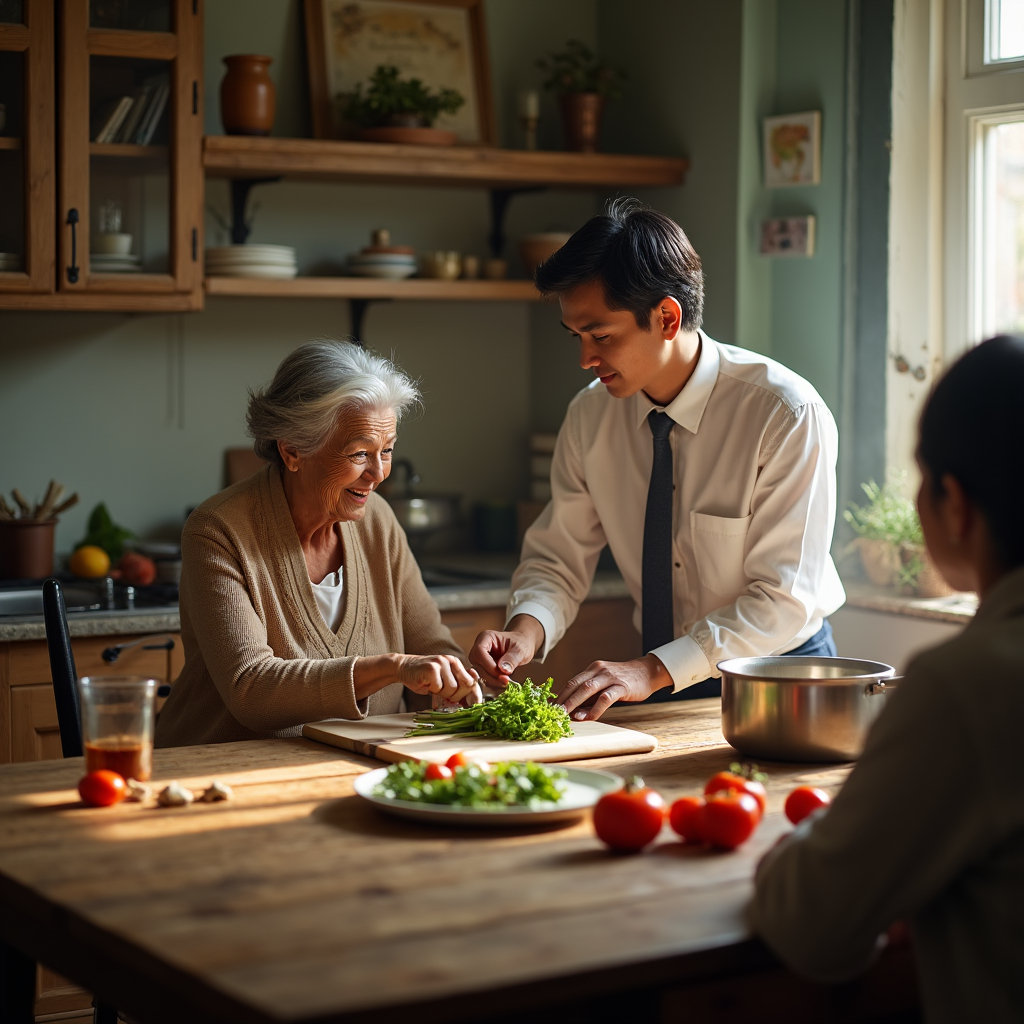
Sometimes, August feels like a holding pattern. Like the moment before the school bell, when you’re standing there, adjusting your tie or straightening your skirt, and you can *feel* the energy shift in the room. It’s not a bad feeling, just… expectant. This year, after a summer spent mostly in Fishtown, chopping vegetables and simmering gravy, it’s particularly noticeable. The kitchen table, that big, old thing my grandmother gave me, became a kind of anchor. A place to just *be* while the world kept spinning.
I've been thinking a lot about that expectancy lately, especially as September looms. There’s a natural inclination, as parents—as anyone who cares about a kid—to want to shield them from the bumps and bruises of growing up. It's a good instinct. Nobody wants to see a little one hurting. But what if those bumps, those bruises, are actually part of what makes them *strong*? What if they’re the moments they learn to figure things out, on their own?
I remember my own grandmother. She didn’t sugarcoat much. When I scraped my knee falling off my bike, she didn't fuss over it. She cleaned it, put a bandage on it, and said, “You’ll be alright. Just be careful next time.” No grand pronouncements, no apologies for the pain. Just a quiet acknowledgement of what happened and a gentle nudge towards learning from it. It wasn't about minimizing the feeling—it was about not letting the feeling define me.
It’s easy to get caught up in managing the big things—the new school, new teachers, new routines. But sometimes, the most important thing we can do is teach them how to manage the small things. The frustration of a lost pencil. The disappointment of not making the team. The quiet sadness of missing a friend. Those moments, those seemingly insignificant disappointments, are where the real lessons lie.
My Sunday gravy project, for example. It’s been a family tradition for generations, and I’ve been “helping” since I was barely tall enough to reach the stove. My grandmother always let me burn a few batches, let me add too much garlic, let me feel the weight of messing up. And each time, she’d just say, “Try again. It’s a process.” It’s not about the perfect sauce, it’s about the trying, the learning, the resilience.
And here's the thing: we have to model that resilience. We can’t expect our kids to be calm and composed if we’re walking around stressed and frantic ourselves. This summer, deliberately slowing down—spending those mornings at the kitchen table, just chopping vegetables—was as much for me as it was for anyone else. It was a practice in finding a little bit of peace amidst the chaos. It's easy to get swept up in the "shoulds" of parenting—the constant striving for more, better, faster. But sometimes, just *being* is enough.
There's a word I've heard thrown around a lot lately—co-regulation. It basically means that kids learn to manage their emotions by watching how the adults in their lives manage theirs. It's not about fixing their feelings, it’s about showing them, through our own actions, how to navigate them. A hug when they're scared. A quiet conversation when they’re upset. A willingness to admit when we’re feeling overwhelmed ourselves.
It’s September soon. The bell will ring, and the energy will shift. There will be tears and triumphs, frustrations and celebrations. And through it all, the most valuable thing we can offer our kids isn’t a shield, but a hand—a hand to hold, a hand to guide, and a hand to show them that even when things are hard, they are not alone.