Basil Bloom: Hope from a Humble Herb
Sometimes, it feels like we’re all just grasping for a little extra light in a world that can get remarkably dim. I’ve seen it firsthand over the years – the...

Sometimes, it feels like we’re all just grasping for a little extra light in a world that can get remarkably dim. I’ve seen it firsthand over the years – the quiet desperation in students' eyes, the hushed worries of colleagues, even among my own dear friends. Mental health isn’t a new concern; it’s been a constant companion, lingering just beyond polite conversation for far too long. And now, this… this news about basil.
It caught my eye in one of those online newsletters I subscribe to, something about research suggesting that an extract from the common garden basil plant might offer some easing of symptoms alongside conventional treatments for depression and anxiety. Now, I’m not one to dismiss anything out of hand – years of teaching have taught me to approach new information with a curious mind. But I also know better than to get carried away by headlines. Science is a slow, deliberate dance; it doesn't offer instant miracles.
For so long, we’ve been told that these conditions—the overwhelming sadness, the relentless worry – are things one must simply *manage*. Medicate and carry on. And medication has its place, undoubtedly. It can be a lifeline for some. I've watched people find relief through it, reclaim their lives from a darkness that threatened to swallow them whole. But what if there were something else? Something readily available, grown in your own backyard perhaps?
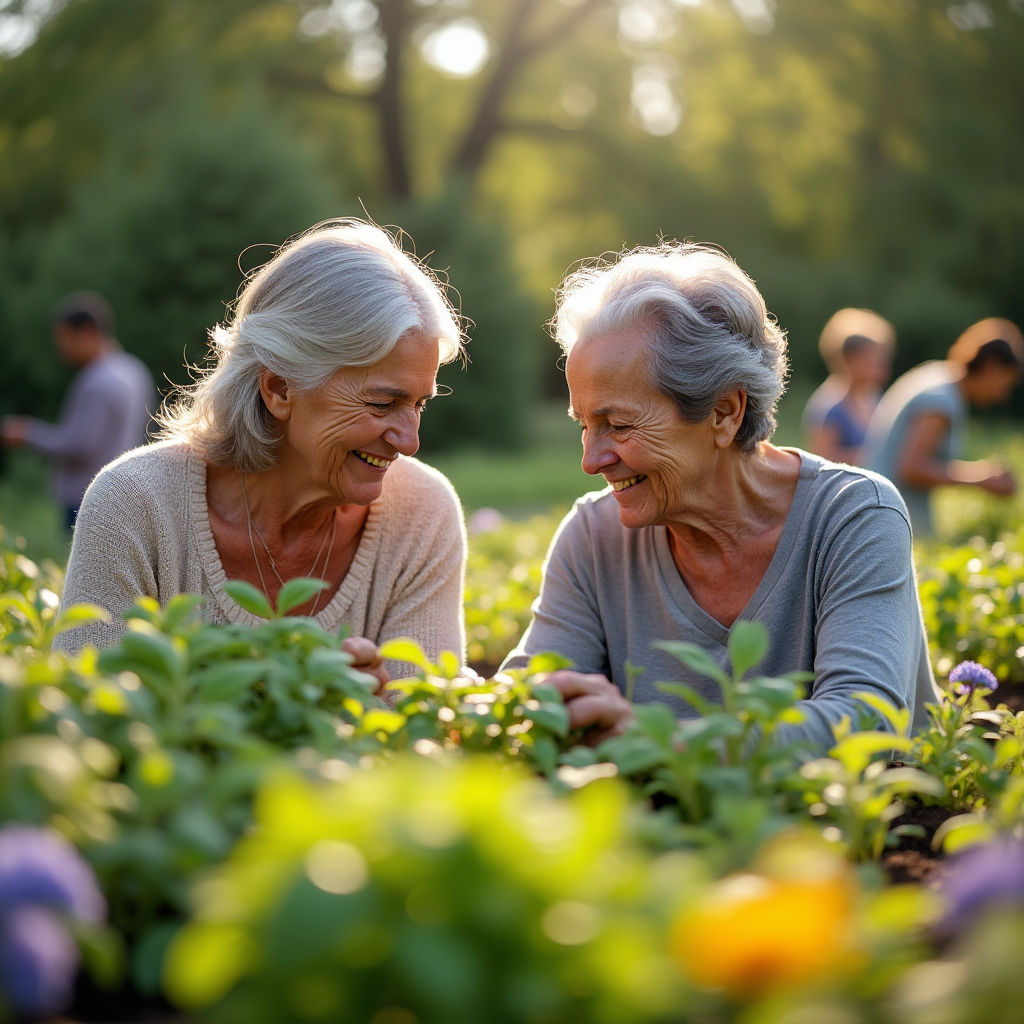
I’ve been gardening more this year; retirement has afforded me the time. Planting those little basil seedlings felt like a hopeful act in itself. There’s such vitality in watching something grow, isn't there? That simple resilience can be balm for the soul. Phyllis and I had that equinox gathering last fall – just the two of us, under the darkening sky – and we talked about things far beyond the usual pleasantries. She has a sister struggling with these very challenges, and it felt good to share quiet hope, even if tentative.
The study itself stressed caution, which is vital. It’s not suggesting that basil will *cure* anything, not by any means. They spoke of needing more rigorous testing, larger sample sizes, and an investigation into exactly how this extract might be working in the body. All perfectly sensible and important caveats. I remember once explaining to a particularly anxious student just that: progress isn't linear. There are setbacks, false starts. It’s about recognizing those moments as part of the journey.
One wonders how something so simple could possibly interact with such complex systems within our minds and bodies. But then again, consider the power of aromatherapy; the influence of sunlight on mood; even a good cup of tea. The connection between what we ingest and how we *feel* is more profound than we often acknowledge. It’s not some new-age fantasy; it's biology at its most fundamental level.
The affordability aspect, too, gives me pause in a good way. So many treatments are priced out of reach for so many who desperately need them. Imagine if something accessible to almost everyone – grown in a pot on a windowsill – could genuinely offer even a small measure of comfort or relief. That would be remarkable. It's easy to get cynical, but it’s moments like these that rekindle the spark of hope.
It won’t replace professional help, not by any stretch. And anyone experiencing persistent mental health struggles should absolutely seek guidance from qualified professionals. But perhaps… perhaps this research offers a glimmer of something more – a reminder that healing can come in unexpected packages, and that even the simplest things in nature hold untold potential. I'll be tending to my basil plants with renewed interest now, not expecting miracles, but certainly open to the possibility.