
Beyond Discipline Understanding Kids’ Needs
Sometimes, the quietest kids are the loudest in my head. It’s not a dramatic thing, just a low hum of worry that settles in after a day in room 214. We’ve go...

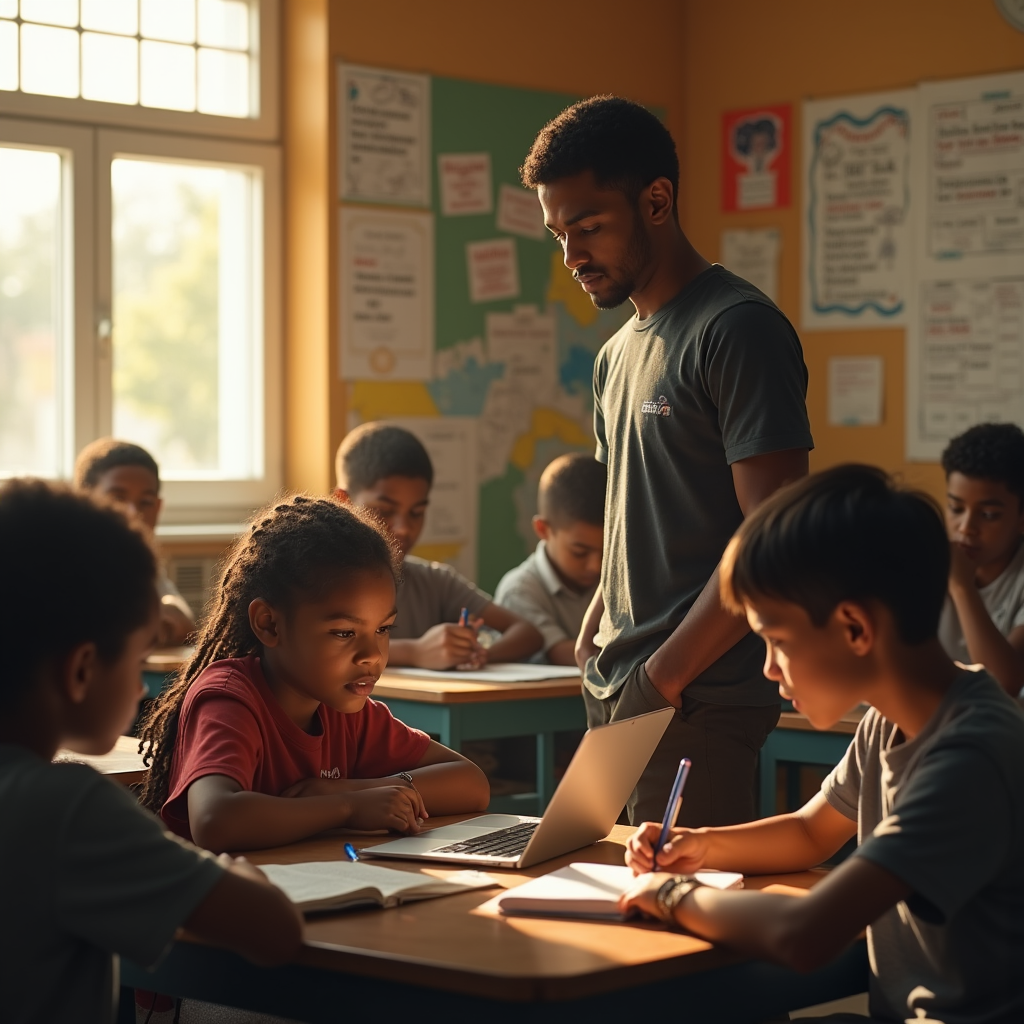
Sometimes, the quietest kids are the loudest in my head. It’s not a dramatic thing, just a low hum of worry that settles in after a day in room 214. We’ve got kids who need a lot, and sometimes, what we *think* is helping them is actually digging them in deeper. I've seen it firsthand, the way a consequence, meant to teach a lesson, can just close a kid off.
This year, especially, you hear about suspensions. Numbers climbing, schools struggling. It feels like we’re reaching for solutions, but sometimes, I wonder if we’re just rearranging the furniture on the Titanic. You see a kid act out, and the instinct is to stop the behavior. To create order. But what if that order comes at the expense of something more important? Something harder to measure?
It's funny, isn't it? They tell you in college how important positive reinforcement is. Catch them being good. Build them up. All good stuff. But then you’re standing in a classroom with twenty-five kids, a few of them acting out, and it's easy to get caught up in the immediate need to regain control. It's easy to reach for the thing that feels like it *will* regain control, even if it's not the best thing in the long run.
I think a lot about how brains work, especially the brains of kids this age. They're not little adults. They're figuring things out, testing boundaries, still wrestling with impulse control. They need guidance, sure, but they also need understanding. They need to feel like they *matter*, like their voices are heard. Isolating a kid – putting them in a room alone – shuts down that possibility. It sends the message that they’re not worthy of connection.
I remember one kid, Michael. Sharp as a tack, knew more about coding than I do about… well, anything. But he had a hard time with frustration. When things didn’t go his way, he’d lash out. We sent him out of the room once, thinking it was a necessary consequence. He came back quiet, withdrawn. It wasn't a learning moment for him, it was just a reminder that he was different. And I felt like I had contributed to that feeling.
What if, instead of isolation, we built trust? Started with the hard conversations? Took the time to figure out *why* Michael was frustrated? Maybe it was a rough morning at home, maybe he was struggling with a concept, maybe he just needed someone to listen. It's not always easy, I know. It takes time. But the quick fix – the suspension, the isolation – those don’t solve anything. They just bury the problem.
We need parents in this, too. A real partnership. I’m not talking about letting kids get away with anything. I'm talking about working together to understand what's happening, to find solutions that address the root cause. When a kid gets sent home, it’s not just a punishment for them; it’s a punishment for their family. And it creates a wall between the school and the home, a wall that's hard to tear down. Decisions about discipline shouldn’t be made behind closed doors, either. We need to be transparent about the process and explain *why* a consequence is being applied.
It's about seeing the whole kid. Not just the behavior. Recognizing that even the kids who are pushing back, who are acting out, are still kids. Still deserving of our patience, our understanding, and our belief in their potential. Room 214 has shown me that. It's a noisy, messy, sometimes frustrating room, but it’s also a place where kids can learn, grow, and find their voices. And I'm committed to making sure it stays that way.