
Beyond Guesswork: Data Driven Fermentation
It’s honestly a relief to have something measurable. For so long, it felt like throwing ingredients into a pot and hoping for the best – which isn't exactly ...

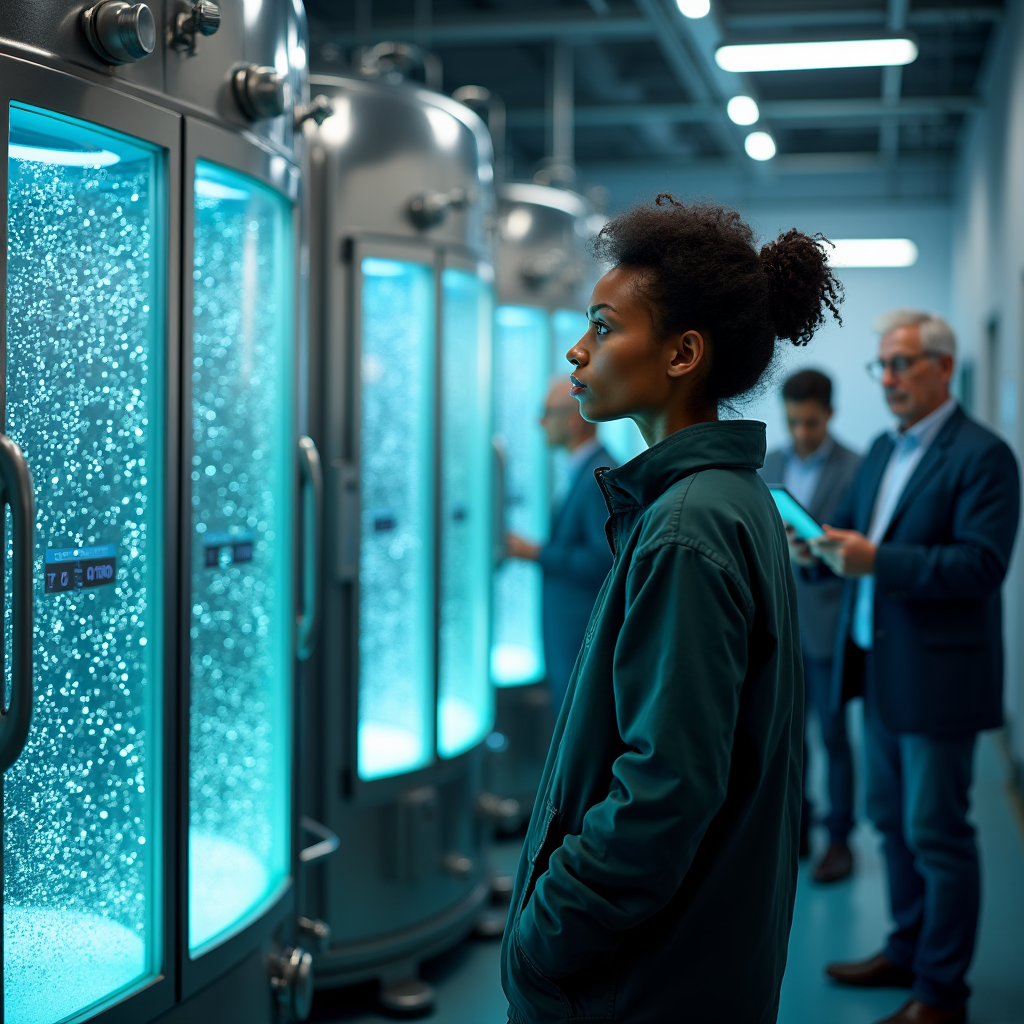
It’s honestly a relief to have something measurable. For so long, it felt like throwing ingredients into a pot and hoping for the best – which isn't exactly how you build anything solid. I remember freshman year, trying to bake bread in that tiny dorm kitchen. It was always either dense as a brick or collapsed into a sticky mess. You could tweak things – more yeast, less flour – but it was all based on intuition and frustrated guesswork. There’s a certain poetry to the unpredictable nature of baking, maybe, for some people. I just wanted bread that consistently rose.
The feeling is…similar when you're working with fermentation. It’s not just about growing something; it’s coaxing it into doing exactly what you want, and efficiently. I always thought there was a real beauty in the complexity – a living system producing something valuable. But at the same time, that complexity creates so much room for error. The Jacobs Pavilion crowd was big and loud last week—a blur of faces mostly—but I remember thinking about how many processes rely on these seemingly delicate balances.
The shift hasn't been dramatic, not like a sudden revelation. It’s more an accumulation of small changes, fueled by this new data-driven approach to monitoring what’s happening *inside* the vats themselves. Instead of relying on periodic tests and hoping you catch a problem before it becomes catastrophic—before another batch ends up unusable—you have real-time feedback. Like getting an instant grade instead of waiting days for your paper back.
It's changed how teams work, too. Before, discussions would drift into philosophical debates about “ideal conditions.” Now, the discussion is anchored to a concrete set of numbers – pH levels, byproduct concentrations—things you can actually *see* changing and adjust for. Suddenly, everyone’s speaking the same language; it's less about feeling something out and more about reacting based on what the system is telling you.
I know that sounds incredibly dry, probably. But think of it this way: those early bread-baking disasters were a huge waste of flour, yeast, and time. What if I could have known exactly *why* they failed, and tweaked things accordingly, instantly? That’s what this technology provides on an industrial scale – less waste, better yields, and significantly reduced risk.
The speed of development is also unbelievable. Previously, developing a new product using fermentation was a multi-year process involving countless iterations and educated guesses. Now? It feels like months. It’s like someone finally figured out how to fast forward through the tedious trial-and-error phases. That's a big deal because it means getting products with tangible benefits to consumers much sooner.
There are moments when I look at these graphs—dense lines charting temperature fluctuations and chemical compositions—and feel an almost childish sense of satisfaction. It’s not just about numbers; it represents a kind of control, a reduction in that inherent uncertainty that used to be so frustrating. It's a far cry from those early days with the collapsing bread dough, but the underlying goal remains the same: to move beyond guesswork and into a realm of predictability and refinement.
I’m still blogging, sporadically, I admit. But now it feels different. It isn't just about sharing thoughts; it is capturing this shift in perspective—this sense that we are finally moving beyond intuition and towards a truly data-driven approach to complex biological processes. Twenty-seven people read the post about feeling something click after Jacobs Pavilion? That’s fine. I know what I’m seeing, though, and that makes all the difference.