Beyond Logic: Understanding Different Perspectives
Sometimes, I feel as though I’ve spent a lifetime trying to reason people into seeing the world a little differently, and often, it feels like shouting into ...

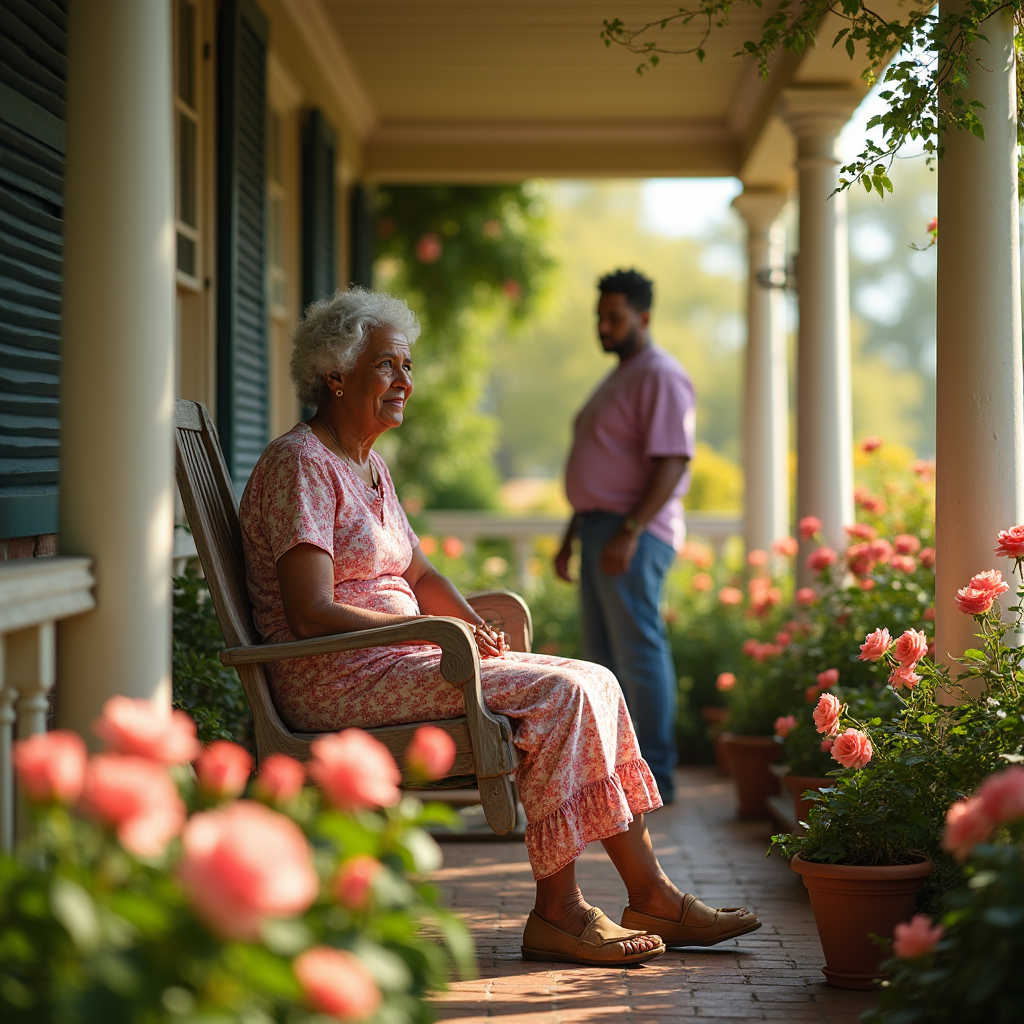
Sometimes, I feel as though I’ve spent a lifetime trying to reason people into seeing the world a little differently, and often, it feels like shouting into a wind tunnel. There's a frustration that settles in, a sense of, "But *I'm right!* How can you not see that?" I remember once, a young man in one of my history classes, bless his heart, insisted that the French Revolution was entirely the fault of Marie Antoinette. We’d spent weeks dissecting the economic disparities, the political maneuvering of the aristocracy, the Enlightenment ideals fueling the discontent. Yet, he clung to this simplified, personally-focused narrative. Logic, evidence, well-supported counter-arguments... they simply bounced off.
It’s not about being *right*, you see. It rarely is. It’s about something deeper, something that resides in the realm of identity. When someone’s beliefs become intertwined with their sense of self, challenging those beliefs feels like a direct assault. It's not just an idea they're defending; it’s who they are. Think of a gardener tending a prized rose bush – prickly, perhaps, but precious. You don't simply hack away at it to reshape it, or you'll likely damage what makes it beautiful.
I’ve noticed this, especially now, in these quieter days of retirement. Before, I was so caught up in the cadence of the academic year, the pressure to impart knowledge, to *correct* misconceptions. Now, I have the space to simply observe, to listen. And I've realized that the most compelling shifts in perspective don't arrive through airtight arguments or irrefutable facts. They emerge from a place of connection, of felt understanding.
It’s like trying to build a bridge across a chasm. A logical argument is like carefully calculating the load-bearing capacity of each beam. Important, certainly. But if the other side of the chasm is entrenched in fear, in a stubborn refusal to even *look* across, all that structural integrity is utterly useless. You need to create a sense of safety first, a feeling that acknowledging another viewpoint won't compromise their very foundation.
I witnessed something of this play out just last week with Phyllis and the neighborhood bird feeder. She'd spent a small fortune on a fancy, squirrel-proof model, convinced it would finally solve the issue of those pesky critters devouring all the seed. Of course, it failed spectacularly. The squirrels, with their characteristic ingenuity, outwitted it completely. Instead of launching into a lecture about the futility of battling nature, I simply nodded, acknowledging her frustration. I remembered my own attempts to control the deer that nibbled my newly planted lilies, and how ultimately, the best solution was a tall, sturdy fence, not a moral argument with the deer themselves. We shared a laugh, and then she told me about another plan she had for attracting butterflies.
The difference, I think, lies in recognizing that people don't process information as neatly as a textbook suggests. There's a whole emotional landscape swirling beneath the surface, influencing how information is received and interpreted. When faced with a conflicting viewpoint, instead of an immediate evaluation of its merits, a person’s internal radar often goes up – a sort of protective shield, springing to life to defend what they believe to be true. It’s not malicious; it’s a fundamental human response.
So, what then? Do we abandon reasoned discourse altogether? Absolutely not. But perhaps we need to temper it with something more… with a genuine curiosity about the *why* behind someone’s belief, with a willingness to listen without judgment, with a heartfelt respect for the fact that their perspective, however flawed we may perceive it to be, is still *theirs*. It's about creating a space where someone feels safe enough to consider another possibility, not because they’ve been convinced, but because they feel seen and understood.
It isn’t about winning an argument; it’s about cultivating a relationship. It's about recognizing that sometimes, the most powerful form of influence isn't about changing someone's mind, but about gently expanding their horizons. Like tending a garden, it requires patience, observation, and a deep understanding that growth often happens in its own time, in its own way. And sometimes, the most beautiful blooms come from the most unexpected places.