Beyond Numbers A Child's Unmeasurable Growth
The numbers keep piling up, don’t they? I was reading about this study – researchers using AI to estimate a child's brain age, comparing it to their chronolo...

The numbers keep piling up, don’t they? I was reading about this study – researchers using AI to estimate a child's brain age, comparing it to their chronological one. It's neat on the surface, all those charts and graphs showing developmental trajectories. Reminds me of trying to teach fractions for the first time; so much theory, so little understanding in their eyes.
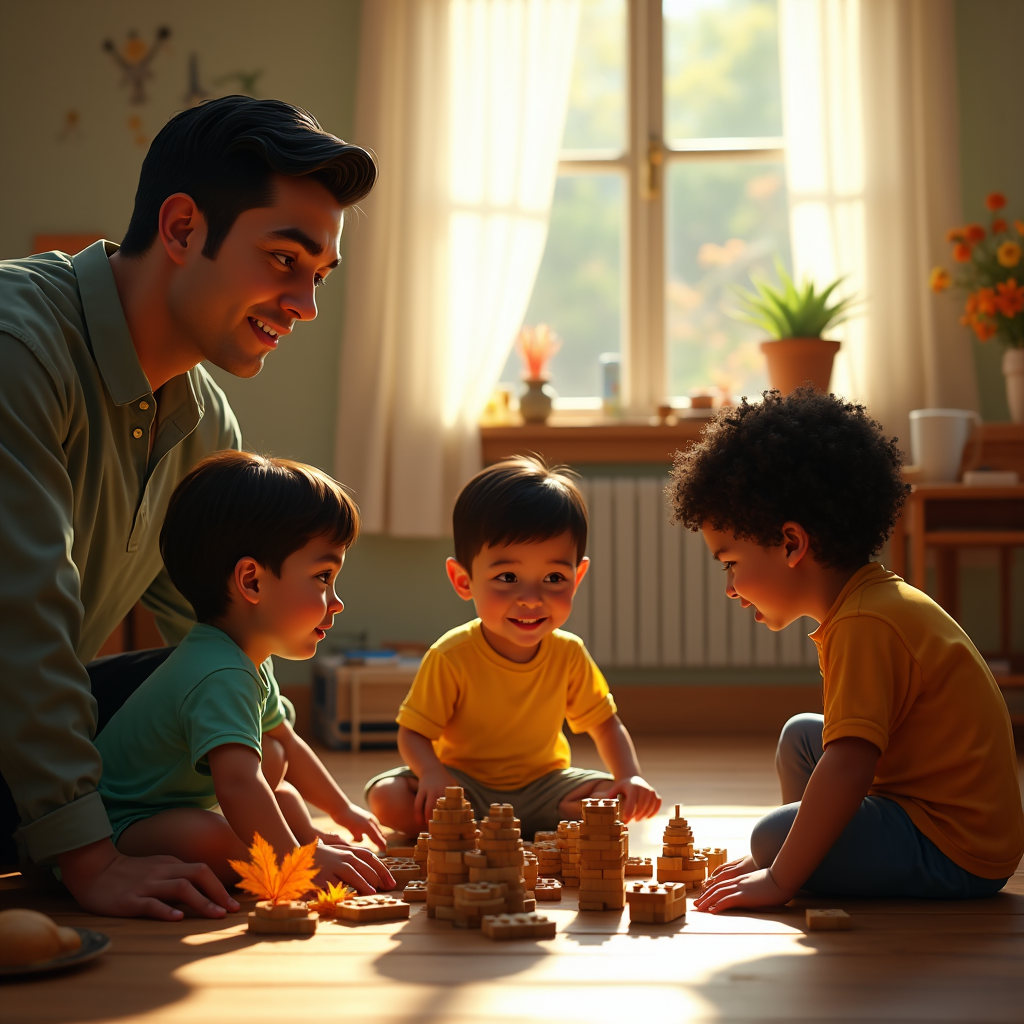
It’s like we’re constantly measuring things that are fundamentally unmeasurable. How do you quantify *that* moment when Mateo finally understood why the maple leaf changed color? Or Chloe's sudden burst of confidence building a tower out of blocks, higher than she ever thought possible? These aren’t numbers; they're shifts in perspective, little revolutions within a child’s understanding of the world.
The study highlighted correlations – more screen time led to differences in brain age markers. It wasn’t a surprise, not really. I see it every morning in Room 214. The kids who’ve spent an hour outside, chasing pigeons or digging in the dirt, they just *glow*. Their minds are sharper, their focus easier to grab onto. It's like their brains got a good long stretch before we even started on addition and subtraction.
I sometimes feel guilty about it, you know? This pressure to quantify everything, to track progress with spreadsheets and data points. We’re trying so hard to prepare them for… something. For tests, I guess. For college applications, eventually. But are we losing sight of the actual *doing* part? The messy, unpredictable process of learning through play and exploration.
There's a particular comfort in predictability, though. Seeing those neatly organized graphs, it’s reassuring to think that there’s a system, a way to understand how these young minds develop. It gives us something tangible to work with, a framework for intervention if needed. My grandmother used to make Sunday gravy every week – precise measurements of tomatoes, garlic, and herbs, all simmering slowly until the flavors melded into something comforting and familiar. Maybe it's the same impulse.
But kids are rarely predictable, are they? Mateo, especially. He can be quiet as a mouse one minute, then launching himself across the rug to build an elaborate Lego city the next. Trying to force him to sit still and concentrate just makes him squirm. It’s like trying to catch smoke with your hands. The more you grip, the further it slips away.
I think back to those afternoons in Fishtown this summer – long stretches of time spent mostly observing, not doing. Watching the sunlight shift across the kitchen table, letting the dough rise for the gravy without rushing it. There's a certain wisdom in that kind of patience, a recognition that some things can’t be hurried. That true growth takes time, and needs space to unfold organically.
It's less about brain age estimates, I think, and more about creating environments where children *want* to explore and discover. Where they feel safe enough to fail, often, and get back up again. And maybe, just maybe, letting go of the urge to measure everything and simply appreciating the wonder of a child’s mind in all its beautiful complexity. Sometimes, the best thing we can do is clear the way and let them run free.