
Beyond Phonics: Connection and Learning
Sometimes, a kid will look at you, really *look* at you, and it’ll just click. Not in some big, dramatic way that gets written about in teacher evaluations, ...

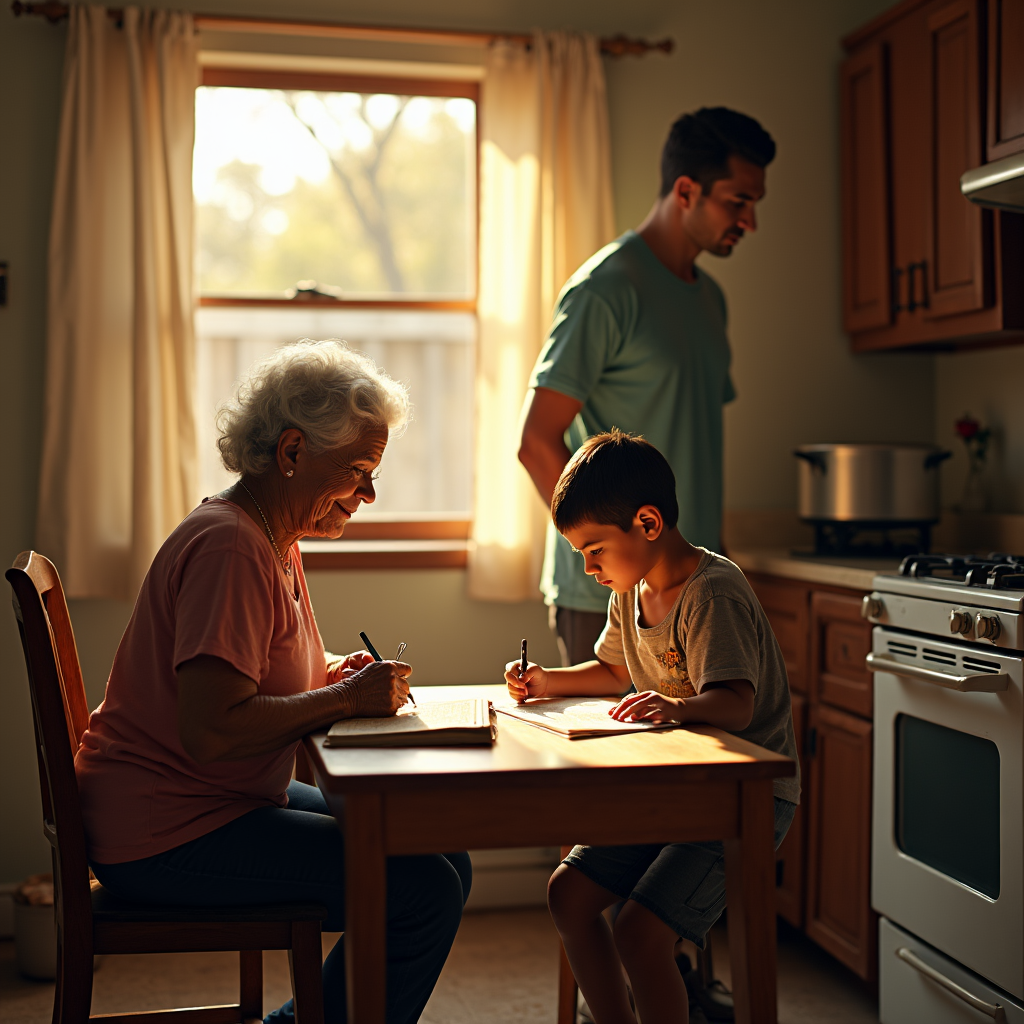
Sometimes, a kid will look at you, really *look* at you, and it’ll just click. Not in some big, dramatic way that gets written about in teacher evaluations, but quiet-like. It happened with Mateo last year. He was struggling with reading – not because he wasn't smart, not at all – but because the connection just wasn’t happening. His mom works two jobs, nights mostly, and his abuela watches him. A wonderful woman, Abuela Elena, patient as all get out, bless her heart, but she doesn't feel much like a teacher.
It makes you think about what these kids need, beyond phonics and sight words. Because the stuff we do in room 214 is important – it really is – but it’s just one piece of a whole lot bigger than that. It's easy to get caught up in lesson plans and test scores, believe me, especially when you see the gaps. The kids who come from homes where there’s a parent or grandparent actively engaged in their learning? They often have a leg up, even before they hit first grade.
I was thinking about this the other day while I was simmering my grandmother's Sunday gravy recipe – finally getting that deep, rich flavor she always got. It takes time, patience, and attention to detail. Teaching kids is like that too. You can’t rush the process. And you definitely need someone else in their corner helping out with it, even if that help looks different from what we might expect. Abuela Elena reading him stories in Spanish? That's important. Her singing him silly songs while he helps her make tortillas? That's learning too.
There was a thing I read recently – you know those emails they send us—that said something about studies showing kids do better when the adults around them are involved in their education, even if it’s just a little bit. It's not about tutors or fancy programs; it’s about presence and engagement. It seems almost too simple to be true, doesn't it? Like something you’d tell a kid who’s upset about losing a game of kickball: “Just try your best.” But that "try" matters so much.
I remember my own grandmother – *my* Abuela Rose - she wasn’t a teacher either, but every Saturday morning was reading time. Just me and her on the porch swing with a stack of library books. She never pushed or prodded; just made it… pleasant. A ritual. It might not have seemed like much at the time, but I suspect that those quiet mornings helped shape my love for stories, which then shaped everything else.
The hard thing is knowing how to reach families who are already stretched so thin. Mateo’s mom isn't going to be able to volunteer in room 214 or help with homework every night. But maybe we can find a way to connect her with resources – even just sending home some simple suggestions for things she can do while she’s cooking dinner, like asking him questions about what they’re eating or talking about where the ingredients came from.
I've been thinking lately about how much of learning isn’t actually *learning* at all. It's a feeling. A sense of safety and connection. When kids feel seen and valued, when they know someone cares about their success, they're more likely to take risks, to ask questions, to persevere when things get tough. And that starts long before they even walk through the door of room 214.
It's not a fix, of course. It’s not going to magically solve all the problems facing our kids or our schools. But it gives you hope. A sense that maybe, just maybe, we can make a difference. Maybe Mateo will look at me and *get* something more than just phonics – a belief in himself, a feeling that he matters. And if we can do that for one kid, then maybe we can find a way to share that with the rest of them too, like slowly simmering down that gravy, letting all those flavors blend together until it’s something truly special.