Beyond Recovery A Weight Untold
The weight of it is something you can’t explain to someone who hasn’t felt it press down on their chest, squeezing the air right out. It's not just the physi...

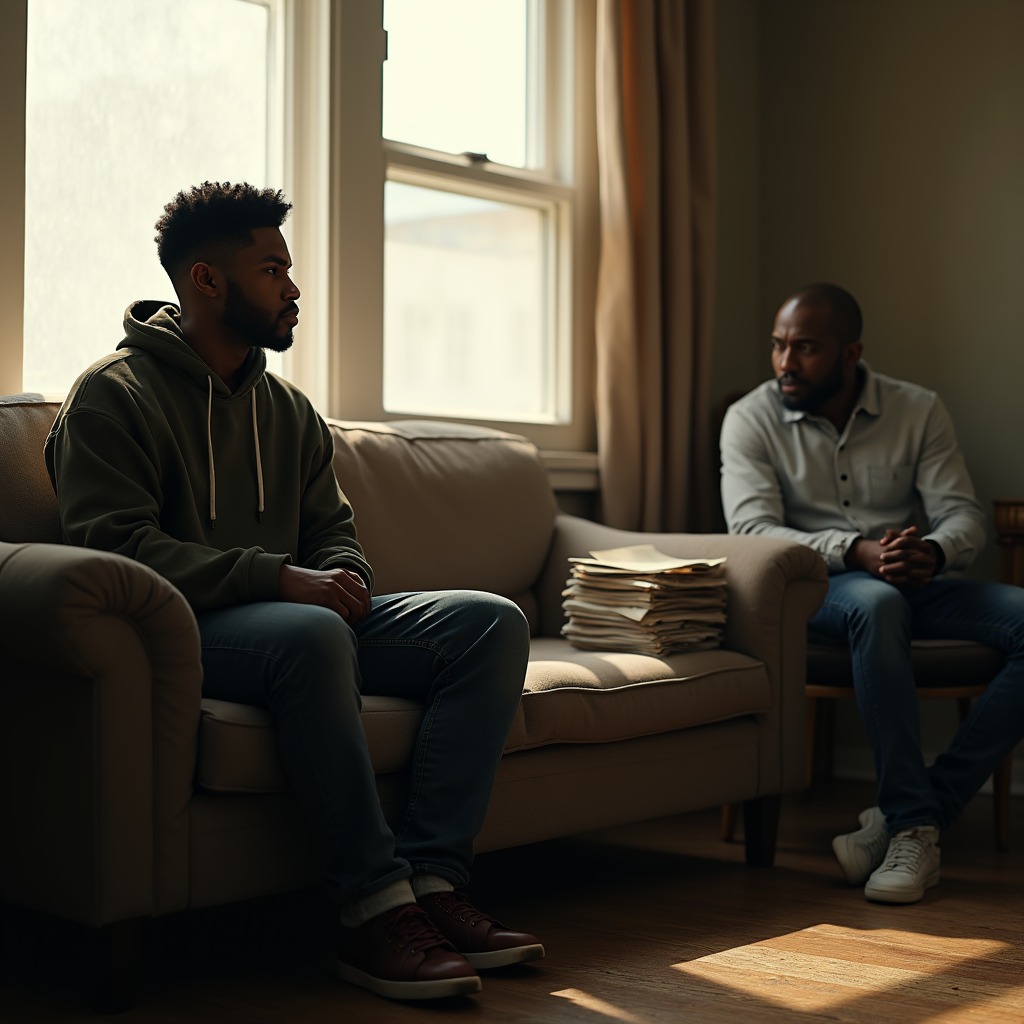
The weight of it is something you can’t explain to someone who hasn’t felt it press down on their chest, squeezing the air right out. It's not just the physical aches and pains that linger after something like that happens – I ain’t gonna lie, those are real too – but the way your mind replays it, how it colors every decision afterwards. It gets into everything.
I used to think recovery was a straight line. A process with clear milestones: doctors' appointments, physical therapy, legal paperwork sorted, and then…back to normal. I learned pretty quick that ain’t how it work. There’s this constant undertow of anxiety pulling you back, this persistent question echoing in your head: *what if*? What if things weren't so fragile now? What if the next wrong turn didn't completely dismantle what’s left?
The money stuff is a beast all on its own. People talk about settlements and compensation, but they don't mention how that becomes another source of stress. You're fighting to get back on your feet financially while simultaneously navigating this new level of emotional exhaustion. Six hundred dollars felt like a lifeline when it came through months ago, just enough to let me breathe for a minute, but the bills keep piling up. It’s a constant balancing act between surviving and healing, and too often one has to be sacrificed for the other.
I remember feeling completely invisible during those early days after. Just…lost in the system. Like a number on a file instead of a person with feelings and fears. Every interaction felt transactional – forms to fill out, questions to answer, checkboxes to tick. Nobody really *saw* me. Nobody asked how I was actually doing beyond “are you keeping up with your physical therapy?” That neglect, that sense of being disregarded…that’s its own kind of trauma. It compounds everything else.
It's twisted, seeing the legal process meant to provide some semblance of justice become another source of aggravation and uncertainty. The lawyers, the paperwork, the constant back-and-forth – it all feels designed to stretch out the pain, to keep you perpetually in a state of limbo. You’re fighting for your future while trying not to break down under the weight of an unforgiving system. It's like they expect you to be strong and resilient *while* actively dismantling everything that makes you feel safe.
My family…they tried. They really did. But even with their best intentions, it’s hard for them to understand something they haven't lived through. There were those well-meaning phrases about "staying positive" and "moving forward," but what I needed wasn’t a pep talk; I needed someone to just *listen*. Someone to acknowledge the frustration, the anger, the sheer unfairness of it all without trying to fix it. That validation felt more valuable than any financial assistance or medical advice.
You start questioning everything. Your judgment, your abilities, your place in the world. That doubt creeps in and sets up shop right inside your head. It’s a liar, whispering that you're somehow responsible for what happened, that you deserve this suffering. Fighting back against that internal narrative is another battle altogether – one that takes just as much energy as the physical recovery itself. Keeping my hand in the production game helped a little; even if nobody was listening at first, it gave me something to focus on, some semblance of control when everything felt chaotic.
The road ahead still feels long. It's not about going back to who I was before – that person doesn’t exist anymore. It's about building something new, something stronger from the broken pieces. It's about finding a way to live with the memories, the anxieties, and the knowledge that some things can never truly be the same. And maybe, just maybe, it's about finally feeling seen – not as a case file or a statistic, but as a human being who deserves to heal.