Beyond Screens: A Foundation for Life
Sometimes it feels like they’re missing something. Not in a bad way, not that any of them are *less than*, but…something fundamental. I saw it last week, try...

Sometimes it feels like they’re missing something. Not in a bad way, not that any of them are *less than*, but…something fundamental. I saw it last week, trying to explain how to tie a basic shoelace knot to a group of fourth graders. Most of them could tell me what an algorithm was, or design a simple webpage—they knew their stuff about computers–but the way they fumbled with the loops and strings? It wasn't just clumsiness; it felt like a disconnect, a lack of understanding of how things *work*.
It's easy to fall into that trap. We celebrate digital literacy as if it’s the only literacy worth having. And sure, knowing how to navigate Google Docs or code in Python is important. It’ll open doors. My grandmother used to say something like that about typing – “A good typist can always find work.” She was right; a lot of people needed someone who could type when she taught school back then. But what about the other things? The things that teach you patience, problem-solving, and how to rely on your own two hands?
I've been thinking a lot about my grandmother’s Sunday gravy lately. It started with her, decades ago – simmering tomatoes, garlic, basil, all those good smells filling up the kitchen. I was supposed to inherit it. For years, though, whenever I tried, something always went wrong: too much oregano, not enough salt, forgetting a crucial step in the process. She'd just shake her head and say, "Patience, Joey. It takes time." Now, this summer, finally, I’m getting close to doing it right, watching the flavors meld together slowly, understanding how each ingredient plays its part. It's not just about making sauce; it's about process, about paying attention to detail and accepting that things take as long as they take.
That felt different from showing a student how to highlight text on a tablet or create a presentation slide. Those are skills anyone can learn quickly—skills that may even be obsolete in five years. But the gravy? The underlying principles of cooking, of nurturing something through time and care? That’s something that will last.
I'm not saying we should ditch technology. There’s so much to admire about what kids these days know. They adapt quicker than I ever did when my parents introduced me to dial-up internet, or the first cell phone. But adaptability needs a foundation, right? It’s like building a house – you can’t just slap on solar panels and call it done; you need a solid base, something that won't crumble under pressure.
My cousin Maria, she lives out in Delaware County, works at that flower shop in Media. She showed me how to prune roses last week. It wasn’t about memorizing botanical terms or understanding complex growth cycles; it was about feeling the plant, understanding where the new shoots were coming from, knowing when to cut and when not to. Simple, honest work. The kind of thing you can feel yourself getting better at with practice. And she doesn't need a screen for that, just her hands and a pair of shears.
I wonder sometimes if we’re shortchanging them – those kids in room 214—by prioritizing screens over experiences. I don’t mean formal education; there’s value in everything they teach. I just worry about the skills that get left behind: basic cooking, simple repairs, navigating a map without GPS, knowing how to read people’s faces when they're not saying what they really mean—those things you pick up from living in the world, not observing it through a screen.
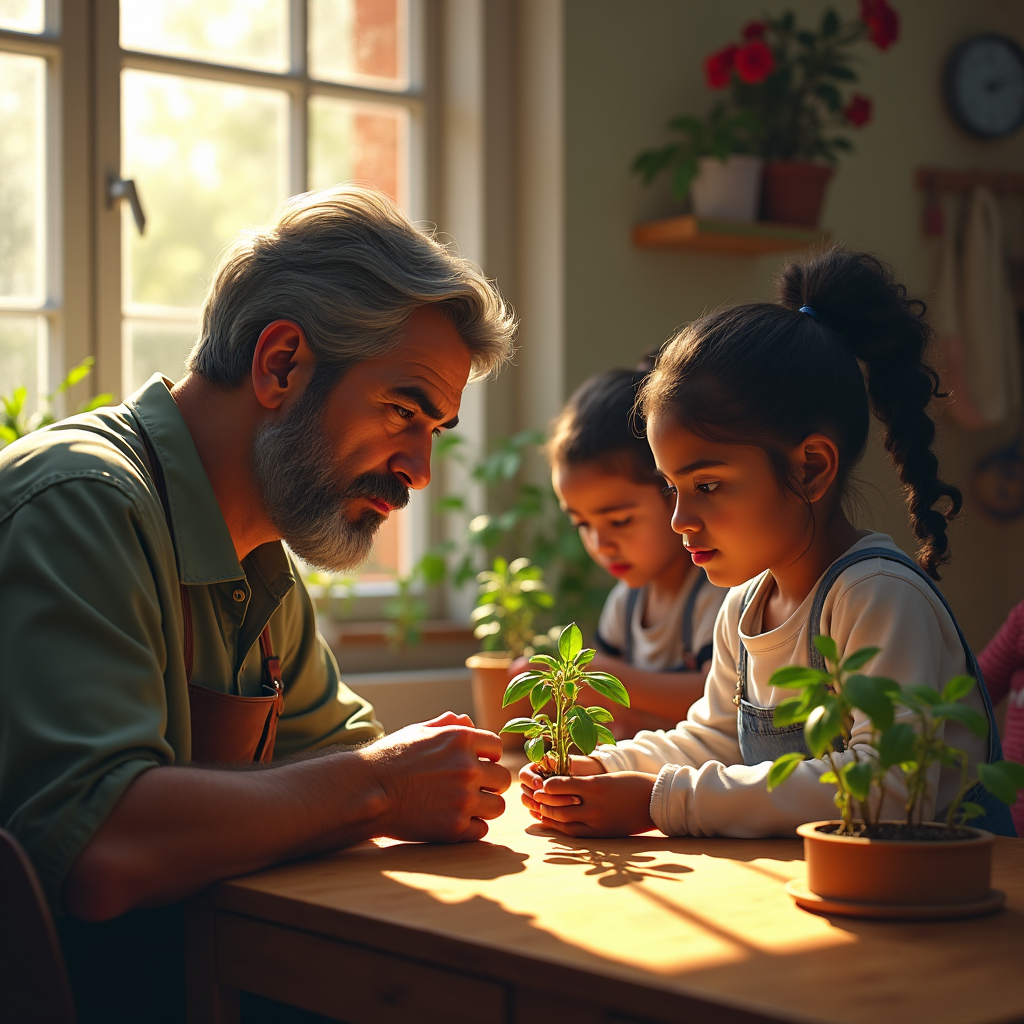
Maybe it's something I'm feeling because of my grandmother, or maybe it's just another one of those teacher anxieties about doing right by them. But I’ve started thinking about ways to incorporate more… well, *doing* into my lessons next year. Not replacing computer skills, but supplementing them with something else. Maybe a small garden on the playground, or learning some basic sewing techniques. Anything to ground them, to give them a little bit of that feeling—that quiet satisfaction—of making something real with their own hands.
It's funny, really. I spent years just trying to make my grandmother’s gravy right, and now it feels like the most important lesson I can pass on.