Beyond the Hierarchy of Being
Sometimes, I think back to my childhood, to the way we spoke about creatures beyond ourselves. It wasn't unkindness, not really. It was simply...a lack of se...

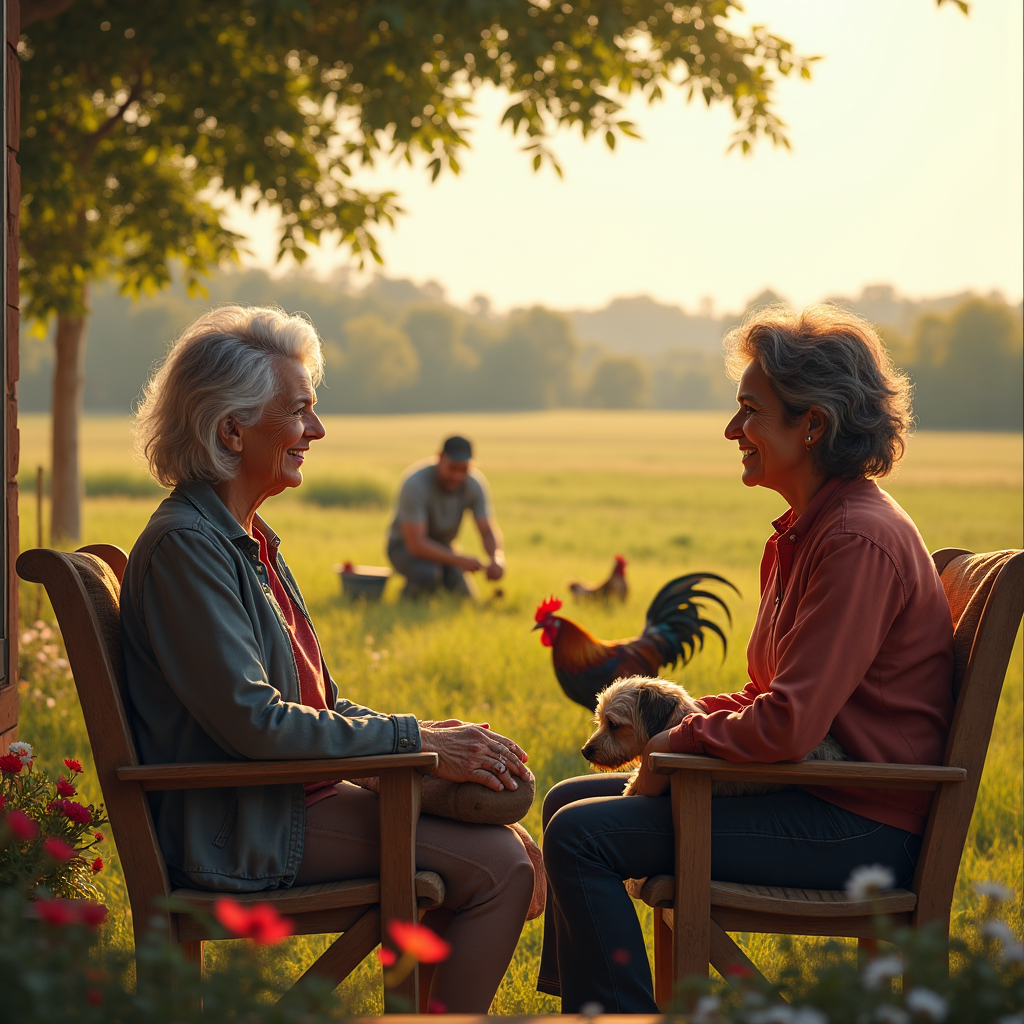
Sometimes, I think back to my childhood, to the way we spoke about creatures beyond ourselves. It wasn't unkindness, not really. It was simply...a lack of seeing. A settled assumption that something with fur or feathers or scales was somehow less worthy of consideration than a person. I recall my grandfather, a man of the earth and a skilled farmer, referring to his prize-winning rooster as "just a bird.” He’d said it with affection, almost, but the sentiment itself settled in my memory like a stone.
I suppose it’s inevitable, this tendency to categorize and rank, to establish a hierarchy of being. Humans have always needed to make sense of a complicated world, and assigning value seems to be a way of doing that. But I’ve come to understand, particularly in these retirement years, how damaging that ranking can be, especially when it’s applied to the beings with whom we share this planet.
It began, in a way, with my dear cat, Clementine. She was a calico, a bit aloof, a connoisseur of sunbeams and warm blankets. When she began to decline, that familiar helplessness crept in – the helplessness of watching someone you love suffer. And the strange, dismissive comments started, from well-meaning acquaintances: "She was *just* a cat, you know.” As if her existence, her unique personality, the quiet comfort she brought to our home, were somehow less significant because she didn't speak our language.
It’s not that I expected a grand outpouring of grief from the world. Grief is a personal thing, a deeply private experience. But that casual dismissal felt...isolating. It minimized something profoundly important, a love that had sustained me through many seasons. I found myself longing for a different kind of understanding, a space where loss, regardless of the species involved, was acknowledged with tenderness and respect.
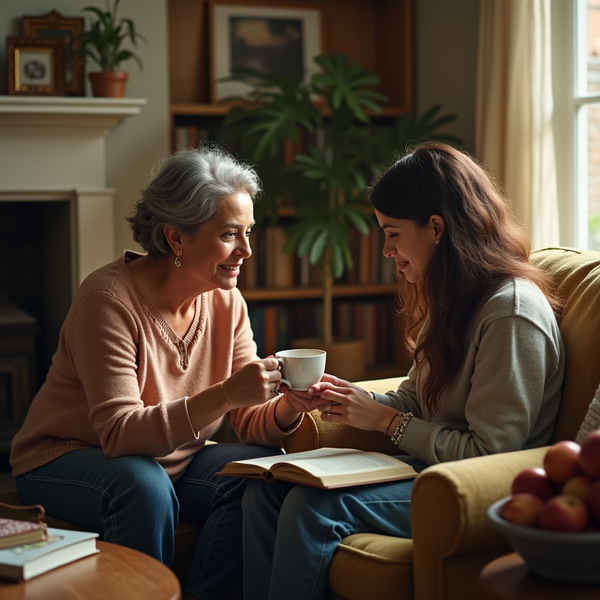
I’ve been thinking about Phyllis’s new dog, a scruffy terrier mix named Pip. She found him abandoned near the farmer’s market, a tiny, shivering ball of fur. Phyllis has always had a way with animals, a quiet empathy that draws them to her. Watching her with Pip, witnessing the way she anticipates his needs and celebrates his smallest victories, reminds me of the profound connection that can exist between humans and non-human animals.
There’s a certain wisdom that comes with age, a gradual loosening of those ingrained assumptions. I’ve been revisiting astrology, not as a predictor of events, but as a framework for understanding patterns and relationships. It’s illuminated how interconnected everything is, how the well-being of one affects the well-being of all. The autumn equinox gathering we held, just Phyllis and myself last year, felt like a small but significant step in that direction – a conscious choice to honor the intricate web of life.
I see a shift happening, slowly, subtly. Younger generations seem more attuned to the inherent value of other species, more willing to question those old hierarchies. There’s a growing recognition that animals are not simply resources to be exploited, but sentient beings with their own intrinsic worth. I hope this shift continues, that we learn to truly see the intelligence, the emotions, the individuality that exists within each living creature.
Perhaps the greatest legacy we can leave is not monuments of stone or bronze, but a world where all beings are treated with compassion and respect. Where a farmer’s rooster is not "just a bird,” and a beloved cat is mourned with the same depth of feeling as a human friend. It’s a quiet hope, yes, but one that fuels my planting, my reading, and my observations of the changing seasons.