Beyond the Pressure: Finding Joy in Learning
Sometimes, I watch the parents drop off their kids after school and it’s like a silent competition begins right then. Not a yelling match or anything – more ...

Sometimes, I watch the parents drop off their kids after school and it’s like a silent competition begins right then. Not a yelling match or anything – more subtle than that. It's in the way they straighten their shoulders, the quick comparisons whispered between them about which program has auditions, how early registration opened. You can practically smell the ambition radiating off some of them. And honestly? I get it. We all want what’s best for these kids.
But “best” is a tricky thing to define, isn't it? My grandma used to say that chasing after something because it looks good on paper will only leave you feeling emptier than when you started. She was talking about something completely different – finding a husband, I think– but the lesson stuck with me. It applies just as much to a five-year-old wanting to try out for a specialized youth group as it does to a college applicant polishing their essay.
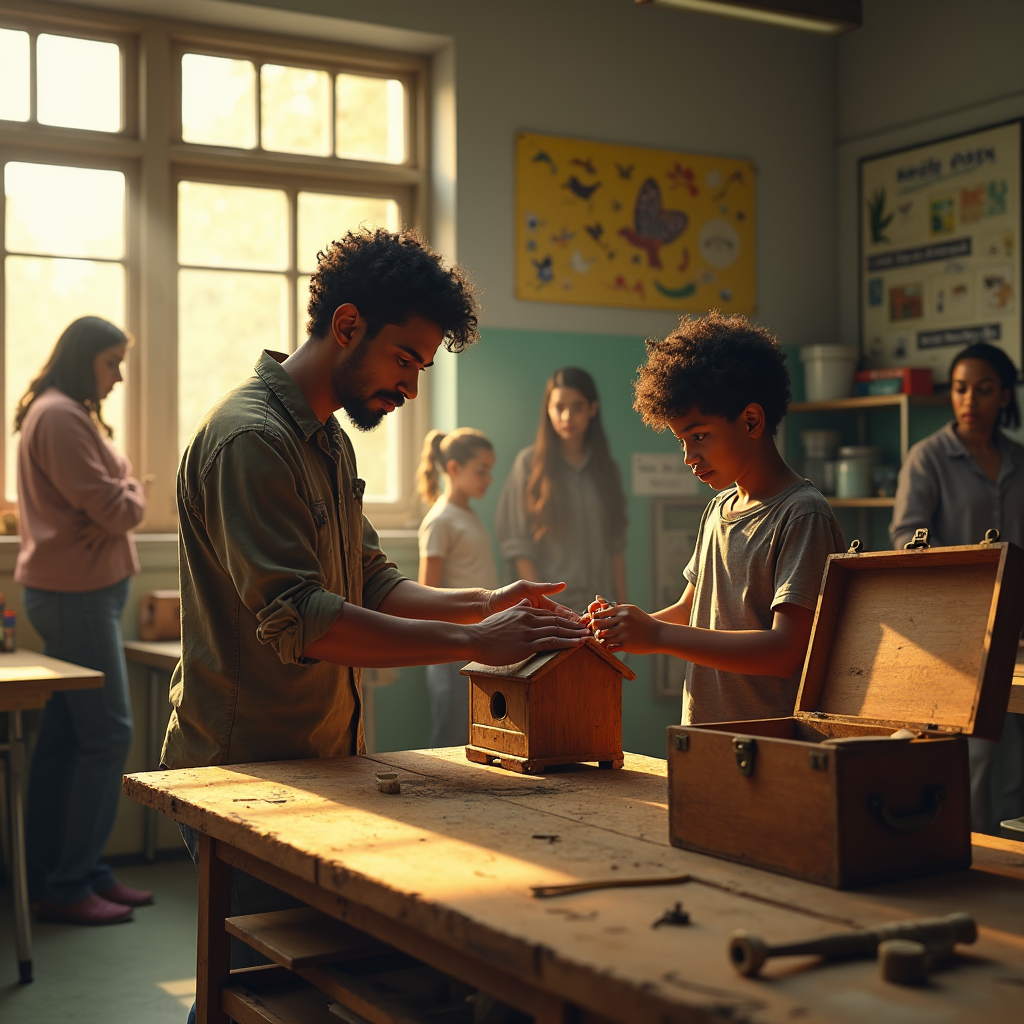
I’ve seen kids thrive in all sorts of activities. Not necessarily ones where they get ribbons or certificates, either. There was this one boy, Leo, last year – quiet kid, always sketching in his notebook. He signed up for the after-school woodworking club mostly because it got him out of the classroom a little earlier on Fridays. He wasn’t any kind of prodigy; his first birdhouse looked like something a particularly enthusiastic squirrel might have built. But he kept showing up. Kept sanding, kept sawing, kept learning how to use the tools properly.
And that's what it’s about, isn’t it? Not necessarily becoming some sort of extraordinary example in whatever you choose; it's more just *showing up* and trying, failing sometimes, and then trying again. I saw Leo get frustrated once when his project kept falling apart, his shoulders slumped, looking like he might cry. He didn't quit, though. He asked for help, listened to the instructor, tried a different approach. Resilience. That’s what those activities can teach them – not just about woodworking or whatever else they’re doing.
It isn't always easy watching kids deal with disappointment. There was another girl, Maya—bright, enthusiastic—who really wanted to join a select group this year. Didn’t make it. Her mom kept asking me if I thought she should try again next time, fretting about her “potential.” What potential, I wonder? It isn't a guarantee of anything except more pressure and probably more heartbreak. The most useful thing you can do for a kid in that situation is just…let them feel it. Let them be sad. And then help them find something else they’re interested in.
There’s so much talk these days about maximizing potential, filling every minute of their day with structured activities designed to build skills and showcase achievement. It's like we've forgotten that kids just need time to *be* sometimes—to wander around the neighborhood, get bored, make up games out of nothing. That kind of unstructured play is important too; it helps them learn how to entertain themselves, problem-solve without constant direction, develop their own interests organically.
My grandmother, she always said, “A little dirt on your hands and a little flour on your apron – that’s good living.” She wasn't talking about competitive sports or elaborate extracurriculars either. Her "good living" was about learning skills by doing them—making mistakes, fixing them, and starting over. That Sunday gravy I mentioned? It’s been three generations of that; a slow, messy process of trial and error, each time resulting in something delicious, even when it doesn't quite come out right the first few times.
Maybe “best” isn’t about accolades or scholarships. Maybe it’s simply finding something that sparks a little bit of joy, a flicker of curiosity, and teaching them to persevere through the inevitable bumps along the way. That birdhouse Leo built? It's still standing in his backyard – crooked, imperfect, but undeniably *his*. And I think that says far more than any trophy ever could.