Chasing Cool: Identity in the Digital Age
It’s a weird thing, watching someone else’s values become your own without you really noticing it happening. Like the way I used to obsess over those early N...

It’s a weird thing, watching someone else’s values become your own without you really noticing it happening. Like the way I used to obsess over those early National albums, mimicking Matt Berninger’s delivery, even trying to adopt his slouch, thinking it somehow held the key to being *cool* and *knowing*. It was less about genuinely connecting with their music and more about performing a version of myself I thought would be accepted. I’ve thought a lot about that, in retrospect, and how easily we latch onto people who seem to have it figured out.
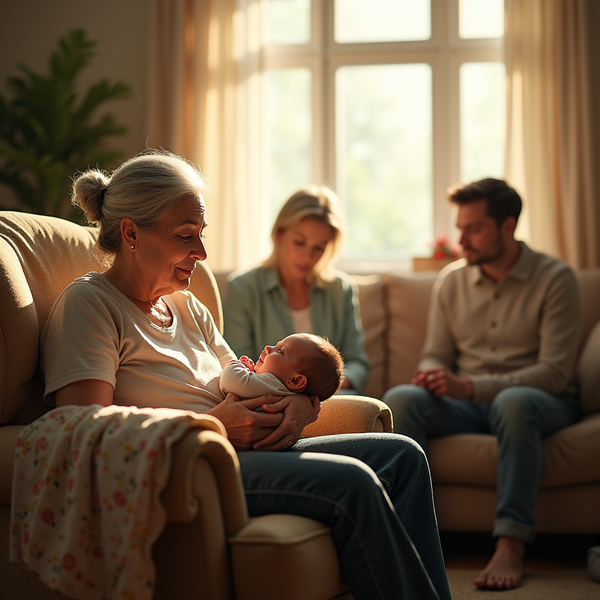
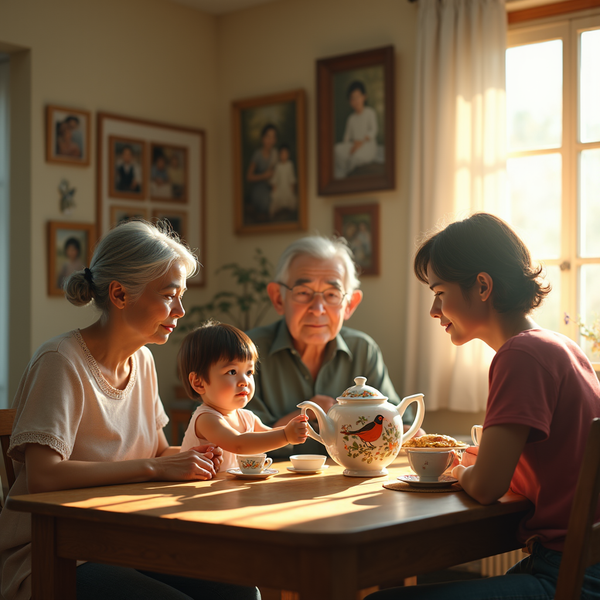
My mom always tries, genuinely tries, to understand the music I’m into. She asks about the lyrics, the instrumentation, the *feeling*. But she just doesn’t get the way it’s become something more than just music – a signal, a way to align yourself with a particular aesthetic, a particular tribe. It’s a need to belong, I guess. That’s always been… intense, for me. Growing up in a place where “different” isn’t exactly celebrated, finding a sense of community, even a digital one, feels vital.
Remember when I wrote about that Phoebe Bridgers show? It felt huge, seeing people from Tumblr reblogging my post. Real people, outside of my school, outside of Cleveland. That felt like a door opening, a possibility of connection I hadn't realized existed. But now, watching the way younger kids curate their online personas, the almost frantic effort to project an image of effortless cool, it feels… unsettling. It feels like they’re building walls instead of bridges.
It’s not just about fashion or music anymore. It’s about beliefs. The way people talk about politics, about relationships, about ambition. There’s a pressure to have a strong, well-defined opinion, and it's often echoed from a few very loud voices online. It's unsettling to think about how easily those voices, those opinions, can start to feel like your own, especially when you're still figuring out who *you* are.
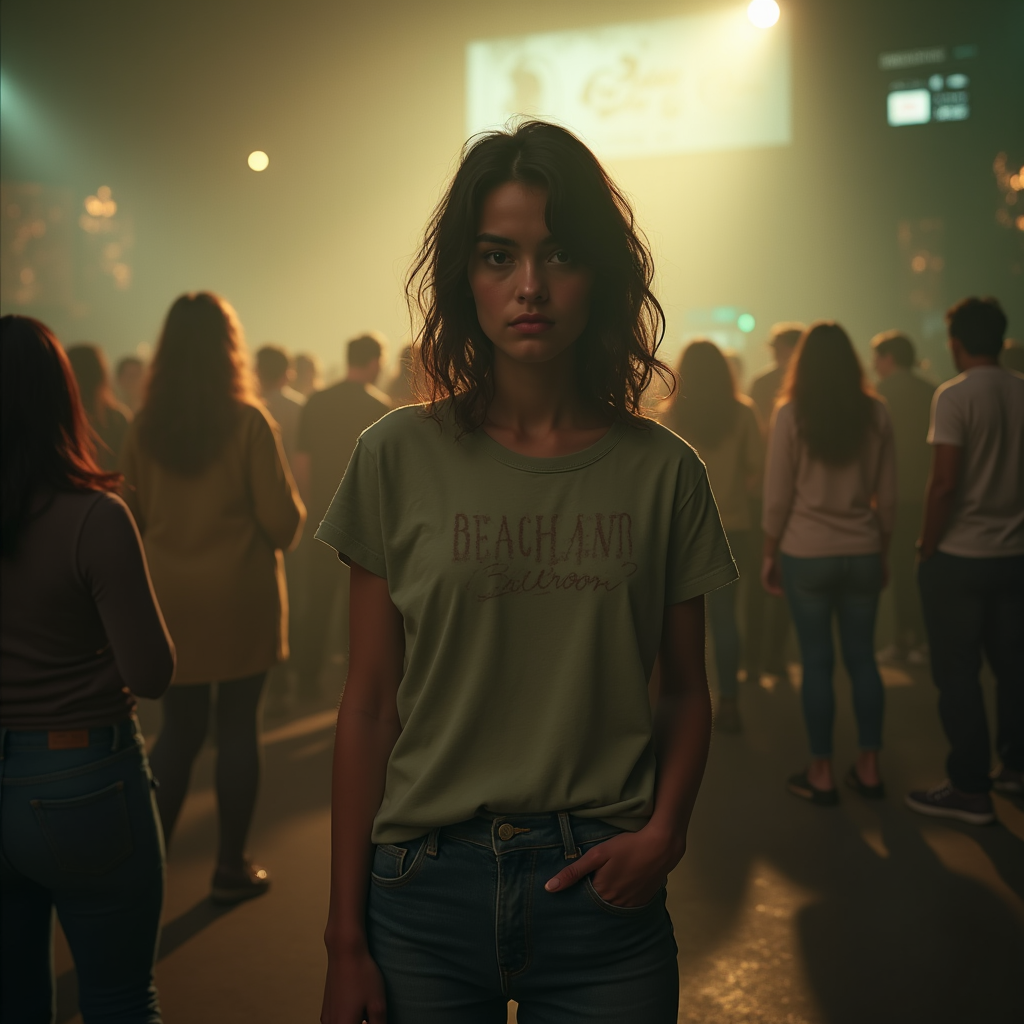
The Beachland Ballroom… going back there felt strange. Eight years. I remember being so convinced back then that I had it all figured out, that my carefully constructed persona would carry me through whatever came next. Standing in the same spot, smelling the same stale beer and old wood, seeing the same worn posters… it was a stark reminder of how much I’ve changed, and how much I’ve *had* to change. It was confronting. It was honest.
My dad… he doesn't get the blog. He thinks it’s a phase, something I'll grow out of. He means well, I know. He wants me to be “practical,” to have a plan, to get a “real” job. It's hard to explain that the writing isn’t about the job itself. It’s about understanding. It’s about trying to make sense of the world, and finding my place in it. It’s about connecting with people who *do* understand, even if that connection is through a screen.
What worries me most isn’t the influencers themselves. It's the underlying vulnerability that makes young people so susceptible to their influence. It’s the longing for belonging, the fear of being different, the desire to be seen and validated. The online world offers a seemingly easy solution: adopt this person's values, mimic their style, and suddenly you’re part of the tribe. But it’s a fragile foundation to build a life on.
Maybe the answer isn’t to ban social media or to demonize influencers. Maybe it’s about teaching critical thinking, about encouraging genuine curiosity, about fostering spaces where young people feel safe to question everything, including the voices they admire most. It's about reminding them – and maybe reminding myself – that it’s okay not to have all the answers, that it’s okay to change your mind, and that true belonging comes not from imitation, but from embracing your own messy, imperfect self.