Citrus, Aging, and the Promise of Renewal
Well, isn't that something? I saw this piece about research, quite promising it seems, regarding citrus fruits and the liver. You know, I've always thought t...

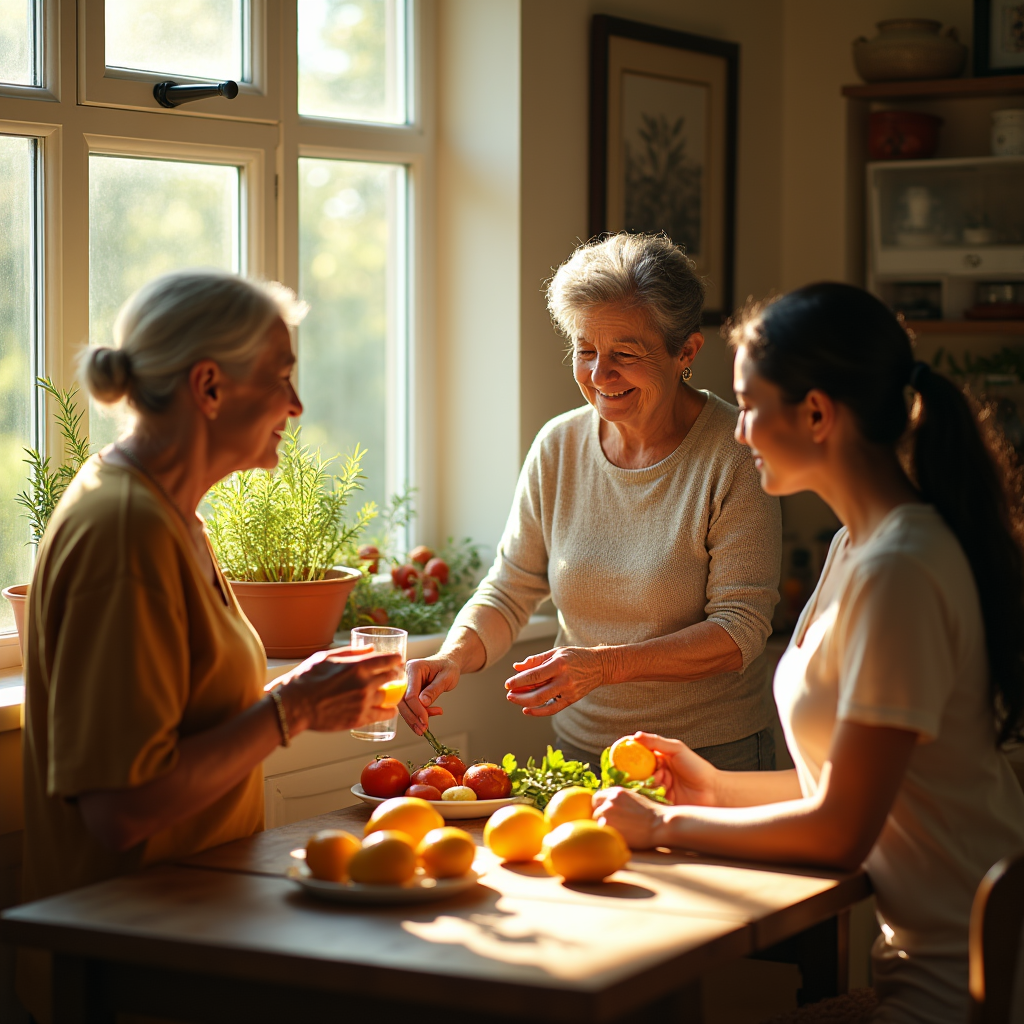
Well, isn't that something? I saw this piece about research, quite promising it seems, regarding citrus fruits and the liver. You know, I've always thought there was something remarkably comforting about citrus. The scent of oranges in the kitchen during the holidays, the tang of lemon in a cup of tea when you're feeling a bit under the weather... it’s a connection to something bright and natural, especially during the darker months. This news just adds another layer to that feeling.
It’s about a compound, they're calling it hesperetin, found in things like oranges, grapefruits, and lemons. Researchers working with mice, of all things, have found that it seems to reverse some of the signs of aging in the liver. Now, I know what you're thinking: mice. But really, it's a starting point, isn't it? So much of what we understand about how the body works comes from careful observation and experimentation.
The liver, as I recall learning in a refresher course I took years ago – it’s quite the busy organ, isn’t it? Filtering toxins, aiding digestion, producing essential proteins… a vital machine. And as we get older, that machine, like any machine, can start to wear down. The decline in liver function can contribute to all sorts of age-related problems. It felt very relevant to my own thinking about the rhythms of things, the ebb and flow.
What's particularly interesting, the article explained, is that hesperetin seems to affect this protein, CISD2. It’s a complicated bit of science, I won’t pretend to fully grasp all the details – though I do enjoy trying! – but apparently, it has something to do with turning on signals that encourage the liver cells to regenerate. That word, *regenerate*, is so hopeful, isn't it? Like a spring flower pushing through the winter ground.
Of course, one has to be cautious. Just because something works in mice doesn't mean it will work the same way in humans. There are so many complexities involved in translating research from the lab to real-world applications. Regulations, safety testing, bioavailability… it’s a long and sometimes disheartening process. Remember that promising arthritis medication they tested a few years back? So much hype, and then... nothing.
But still, I find myself feeling a certain optimism. For years, I’ve looked at astrology – not as a parlor trick, mind you, but as a way to understand cycles, to see the patterns that underlie experience. And what could be more cyclical than aging? It's a constant process of breaking down and rebuilding, of losing and regaining. This research seems to suggest that perhaps we can, to some extent, influence that process.
I’ve been planting a lot more these days, since Bernard’s retirement. Tomatoes, mostly. And rosemary. Rosemary always reminds me of my grandmother. She used to make the most wonderful roasted potatoes with rosemary and garlic. Simple things, really, but they nourish you. And I've been thinking a lot about nourishment in a broader sense – not just of the body, but of the spirit. Perhaps these citrus fruits, with their bright, sunny flavor, can offer both.
It's a gentle reminder that even as we age, there's still the possibility of renewal. A simple orange, a grapefruit... They're readily available, relatively inexpensive, and a surprisingly potent symbol of hope. It won't be a miracle, of course. There are no miracles in the way we often think of them. But it does suggest that we can, perhaps, nudge things in a more favorable direction, one small, bright piece at a time.