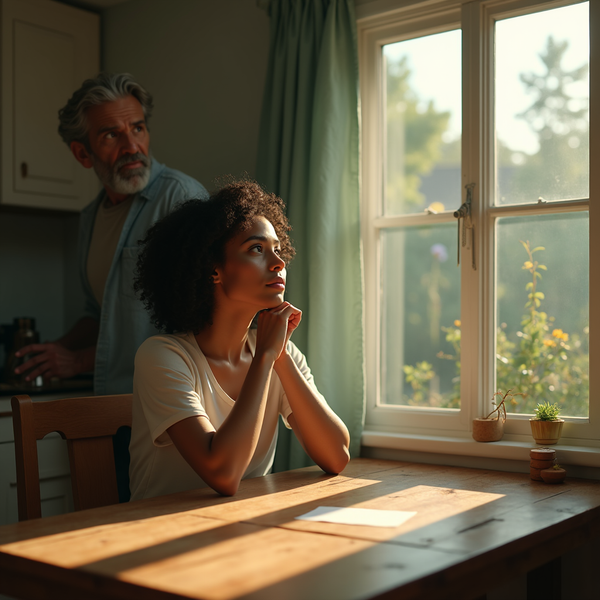
D&D: A Surprisingly Healing Game
Tabletop games like D&D act as drama therapy in the wild—to--1777491462748 It's weird, right? Like, we spend so much time trying to *solve* problems, meticul...

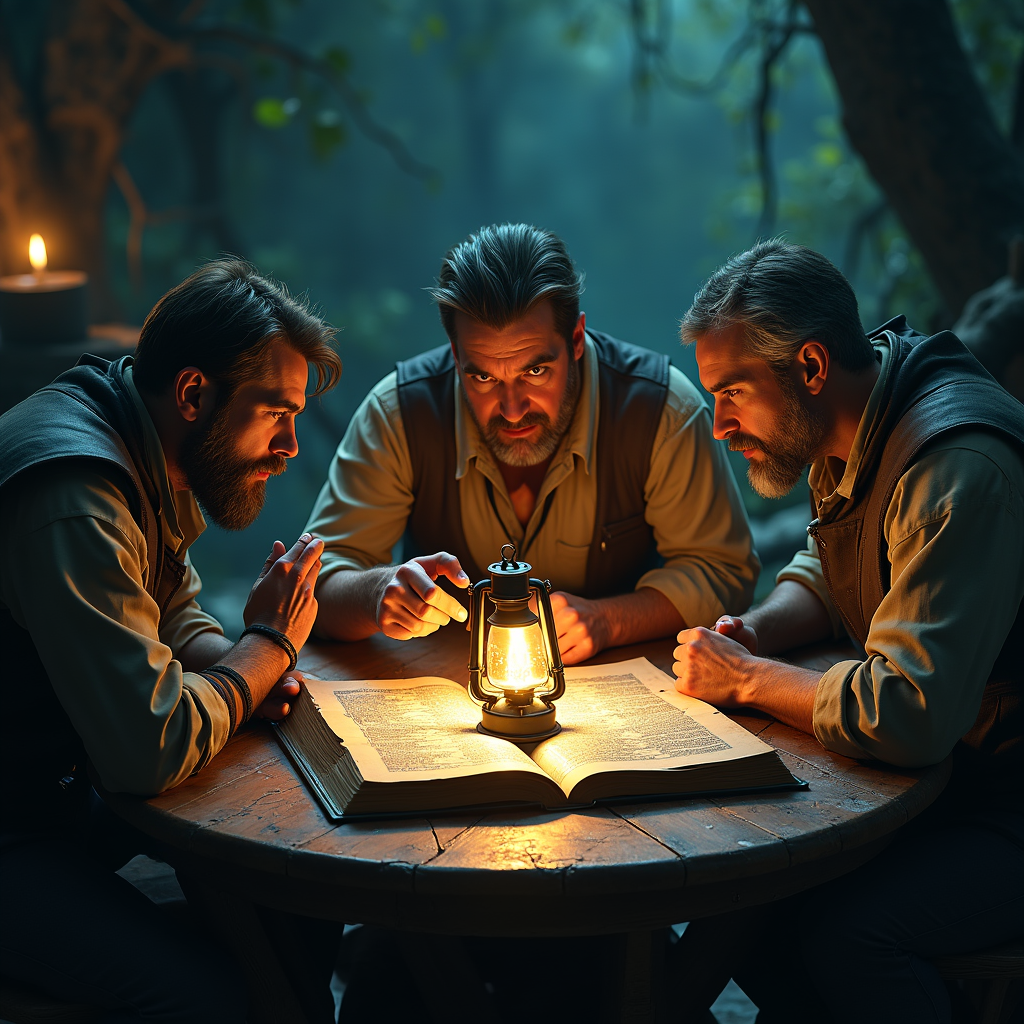
It's weird, right? Like, we spend so much time trying to *solve* problems, meticulously planning our lives, and meticulously avoiding conflict. We build these walls around ourselves, you know? And then, suddenly, you’re rolling dice, pretending to be a warrior battling a dragon, and completely losing yourself in the story. It’s… freeing. Seriously.
I've been playing D&D with a group of friends for, like, five years now, and I can honestly say it's probably the most emotionally honest thing I do. It's not about winning or losing, not really. It’s about inhabiting a different persona, making decisions based on what *that* person would do, and then dealing with the consequences. There’s a ridiculous amount of improv involved, of course – you *have* to be willing to be completely ridiculous – but beneath the fantasy elements, it’s a surprisingly potent way to unpack feelings.
The core of it is this: you're forced to confront uncomfortable situations. Maybe your character has to betray a friend, or make a morally ambiguous choice, or just, you know, stare into the abyss. And you have to *commit*. You can’t just say, "Oh, that's bad, let’s avoid that." You’re in it. You're living it. That commitment is where the real magic happens, I think.
It’s less about the rules of the game, and more about the shared narrative. We build this world together, with all its triumphs and tragedies, and we become invested in the fates of these characters. We argue, we laugh, we get frustrated, and we celebrate. It creates a space where vulnerability is actually encouraged—because if your character falls off a cliff, it's not the end of the world. It’s just a plot point.
And honestly, the way my group handles conflict is incredible. Because, let’s be real, most of our real-life conflicts are just awkward silences and passive-aggressive comments. In D&D, if there’s a disagreement, we actually talk it out. We try to understand each other’s perspectives, even if they’re completely insane. It’s a surprisingly effective method for resolving tension, which is something I’ve desperately needed to learn.
It feels like a really good training ground for empathy, too. You’re constantly shifting your perspective to see things from another person’s point of view—your own character's, of course, but also the Dungeon Master’s, and the other players. You’re learning to anticipate how others will react, to consider the impact of your choices on those around you.
Plus, let's be real, it's a fantastic distraction. When I’m feeling overwhelmed or anxious, losing myself in a quest—searching for a lost artifact, negotiating with a goblin king—it's a seriously grounding experience. It pulls me out of my head and forces me to focus on the present moment, on the story unfolding around me.
It's not therapy, obviously. But it's a really cool, weird, and surprisingly helpful way to deal with the messiness of being human. And honestly, who doesn't need a little bit of magic in their life?