Digital Walls: Isolation in the Age.
The static of scrolling felt like a physical weight, each swipe through faces promising connection ultimately just deepening the quiet hum of isolation. It’s...

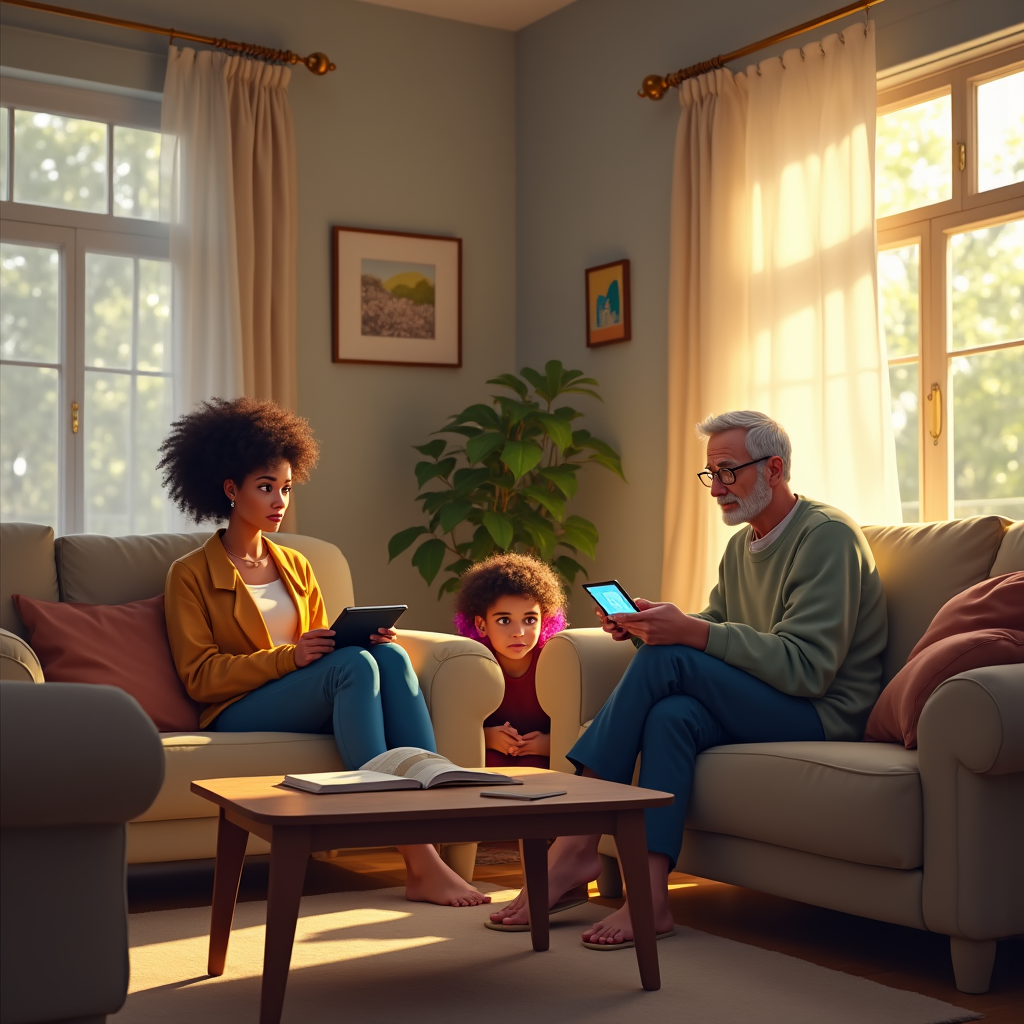
The static of scrolling felt like a physical weight, each swipe through faces promising connection ultimately just deepening the quiet hum of isolation. It’s funny, isn’t it? We build these elaborate digital facades – carefully curated photos, witty bios – and then throw them into a swirling vortex of potential matches, hoping for something genuine to surface. But often, what rises is a wall, erected not by deliberate malice, but by the simple, almost primal instinct to avoid what we perceive as ‘other.’ I’ve spent countless evenings wrestling with this particular frustration, realizing it wasn't about finding *the one* – at least not initially – but about confronting a deeply ingrained prejudice disguised as preference.
The data—that’s what they call it—is surprisingly straightforward. Young Americans, particularly millennials and Gen Z, are far more likely to reject someone based on their political affiliation than they are to actively seek out someone who shares the same beliefs. It's not necessarily a conscious decision; it’s a subtle, almost automatic filter, amplified by the increasingly polarized landscape of our social media feeds. We’re bombarded with narratives designed to reinforce our existing biases, creating an echo chamber that makes encountering opposing viewpoints feel like a personal affront – a threat to the carefully constructed reality we inhabit.
I found myself repeatedly dismissing profiles simply because someone held a different opinion on healthcare policy or climate change. The initial reaction wasn't anger, exactly; it was a swift, calculated judgment – *they’re probably going to be annoying*. A quick assessment of their values and lifestyle based purely on that single point of divergence, and the connection evaporated before it could even flicker. It was terrifyingly efficient, this subconscious rejection, and deeply unsettling to recognize its power within myself.
It's easy to attribute this behavior to intellectual arrogance, a belief in our own righteousness. But I suspect there’s something more fundamental at play – a fear of disruption. Sharing space with someone who challenges your worldview forces you to confront uncomfortable questions, to defend your beliefs, to potentially alter your own perspective. The ease and safety of maintaining existing assumptions is a powerful motivator.
And then there's the social component, which adds another layer of complexity. The expectation of approval from friends and family weighs heavily on us all – particularly in our early twenties when we’re still navigating the treacherous waters of self-acceptance. The thought of facing judgment for dating someone with opposing political views was almost unbearable. It felt like a betrayal not just of my own desires, but also of the people I cared about most.
I started to realize that this wasn't simply a matter of politics; it was a reflection of a deeper societal issue—the inability to engage in genuine dialogue and empathy across ideological divides. The fear of conflict, the insistence on being ‘right,’ has created a climate where disagreement is seen as antagonistic rather than an opportunity for growth.
Ironically, the very platforms designed to connect us have paradoxically driven us further apart. The algorithms prioritize engagement, often amplifying divisive content that fuels polarization and reinforces existing biases. It's a feedback loop of outrage and dismissal, making it increasingly difficult to find common ground – or even basic human connection.
Ultimately, navigating this landscape demands a conscious effort—a willingness to step outside our comfort zones, to engage with dissenting viewpoints not as threats, but as opportunities for learning and understanding. It requires letting go of the need to be ‘right’ and embracing the messy, unpredictable nature of genuine connection. It's a slow process, perhaps, but one that is essential if we hope to build a more tolerant and compassionate world – or at least, a slightly less frustrating dating experience.