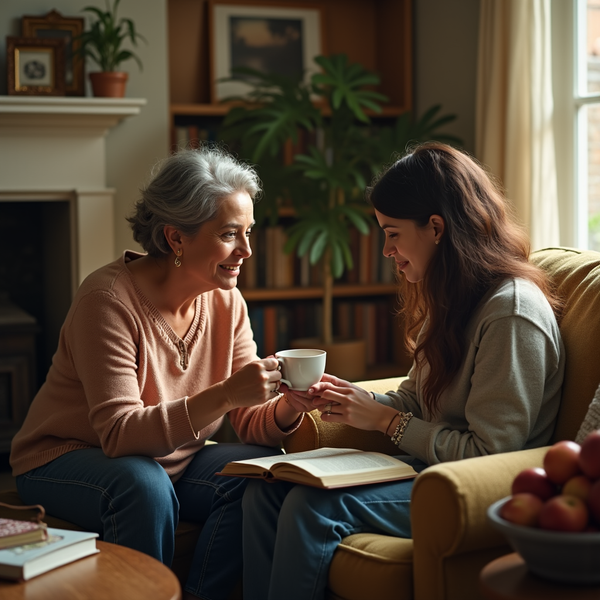
Finding Calm in Chaos A Simple Approach
Sometimes, it feels like you’re just trying to keep all the plates spinning. Room 214 can get loud—real loud—and I hear a lot about what happens at home too....

Sometimes, it feels like you’re just trying to keep all the plates spinning. Room 214 can get loud—real loud—and I hear a lot about what happens at home too. Afternoons after school, families are tired. Parents are drained. Kids… well, kids are kids, full of energy and feeling everything with their whole selves, and sometimes that spills over into shouting matches or meltdowns or just plain quiet frustration hanging in the air. This summer, I've been thinking about that a lot – about how to give them all a little bit of breathing room.
My grandmother used to make Sunday gravy. Not quick-and-easy sauce; real gravy. It simmered for hours, filling the whole house with this incredible smell. She’d always say it was about more than just food—it was about slowing down, being present, letting things unfold naturally. I picked that up again this summer, working on her recipe, and found a kind of calm in those long stretches where nothing needed to be rushed. It made me wonder if there's something similar we can do for our kids, and for ourselves, when the world feels like it’s closing in.
I started noticing how I reacted to things in my own life – getting impatient with slow drivers, feeling prickly after a long day at school. Then I thought about what those reactions might look like from a little kid's perspective. They don't have the years of practice (or exhaustion) I do managing stress. So, someone recommended, a few years back, some basic practices – not complicated stuff, just quiet moments to focus on feeling your body and your breath.
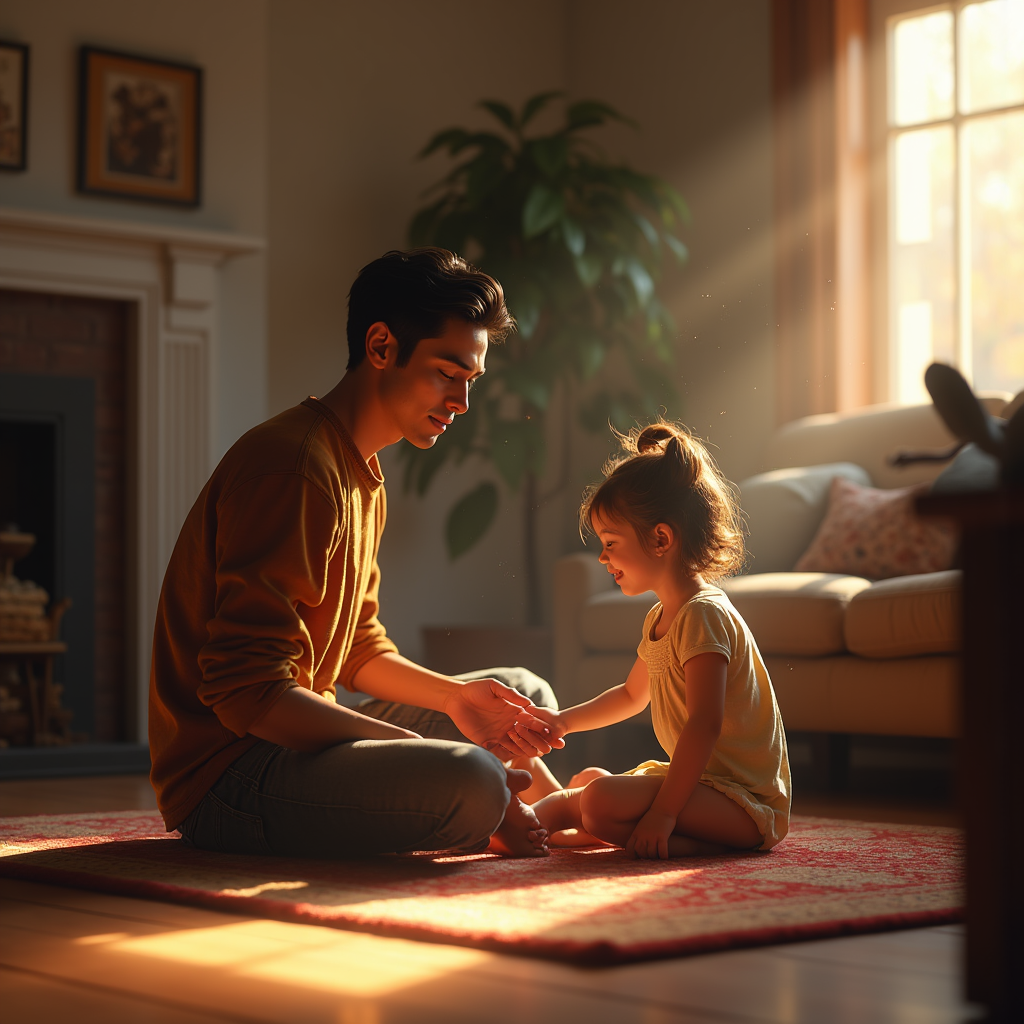
It’s not about getting them to sit still perfectly for fifteen minutes straight—that's just not realistic with four-year-olds. It can be as simple as taking five breaths together while you’re waiting for the bus. Or putting a hand on their back, or yours, and noticing how it feels – warm, maybe a little bumpy. My niece, Lily, she’s three, and sometimes when she's really upset, I just ask her to notice her feet. Just *look* at them. It redirects her focus in a way that yelling never could.
I spoke with an expert recently who talked about "co-regulation." That’s a fancy word for the idea that kids often learn how to handle their feelings by watching us – by seeing how we manage ours. So, if I'm snapping at everyone because I'm stressed, they're going to mirror that behavior. But if I can take a moment, even just a tiny one, to breathe and say, "Okay, this is hard," then it gives them permission to do the same. It models something valuable.
One of my colleagues uses short, playful moments to help her own kids settle down. She’ll have them squeeze a stuffed animal really tight, and then let go, feeling what that release is like. Or they might lie on their backs and pretend to be clouds drifting across the sky. It’s all about finding ways to make it engaging—to turn stressful situations into little moments of connection instead of battles. I'm going to try some of those things with my niece next weekend when we go back to Delaware County.
There's a real sense of hope that comes from seeing these small shifts. One parent, who used to be really worried about her son's behavior in class—how easily he got frustrated and shut down—said she’d noticed a remarkable difference after incorporating even just five minutes of quiet time into their mornings. He started raising his hand more, seemed less overwhelmed by instructions. It felt like he had a little bit more space inside himself to process things.
It's not magic, of course. And it takes practice – for everyone involved. But I think it’s worth the effort. Maybe these small moments of calm—the Sunday gravy, the quiet breaths, the shared feeling of our feet on the floor—can help us all find a little more room to breathe, both in Room 214 and at home. It's about creating a space where we can show up for each other, even when things get loud, even when we’re tired. That's something I think my grandmother would have approved of.