Finding Focus: A Family Recipe
The rain smelled like wet asphalt and something vaguely floral – maybe Mrs. Rodriguez’s jasmine bush down the block. It was Friday, and that meant Sunday gra...

The rain smelled like wet asphalt and something vaguely floral – maybe Mrs. Rodriguez’s jasmine bush down the block. It was Friday, and that meant Sunday gravy was starting to simmer again, a slow, sticky promise of family. My grandmother, bless her stubborn heart, had been practically yelling at me for weeks about getting back to it, about “not letting the tradition just fade away.” And honestly? She was right. The last time I’d really made it – you know, with the beef and the tomatoes and that weird little jar of pickled peppers she always kept hidden in the pantry – felt like a lifetime ago. It wasn't just food; it was a map back to Delaware County, to Sunday afternoons spent listening to my cousins argue about baseball and catching up on everyone’s lives.
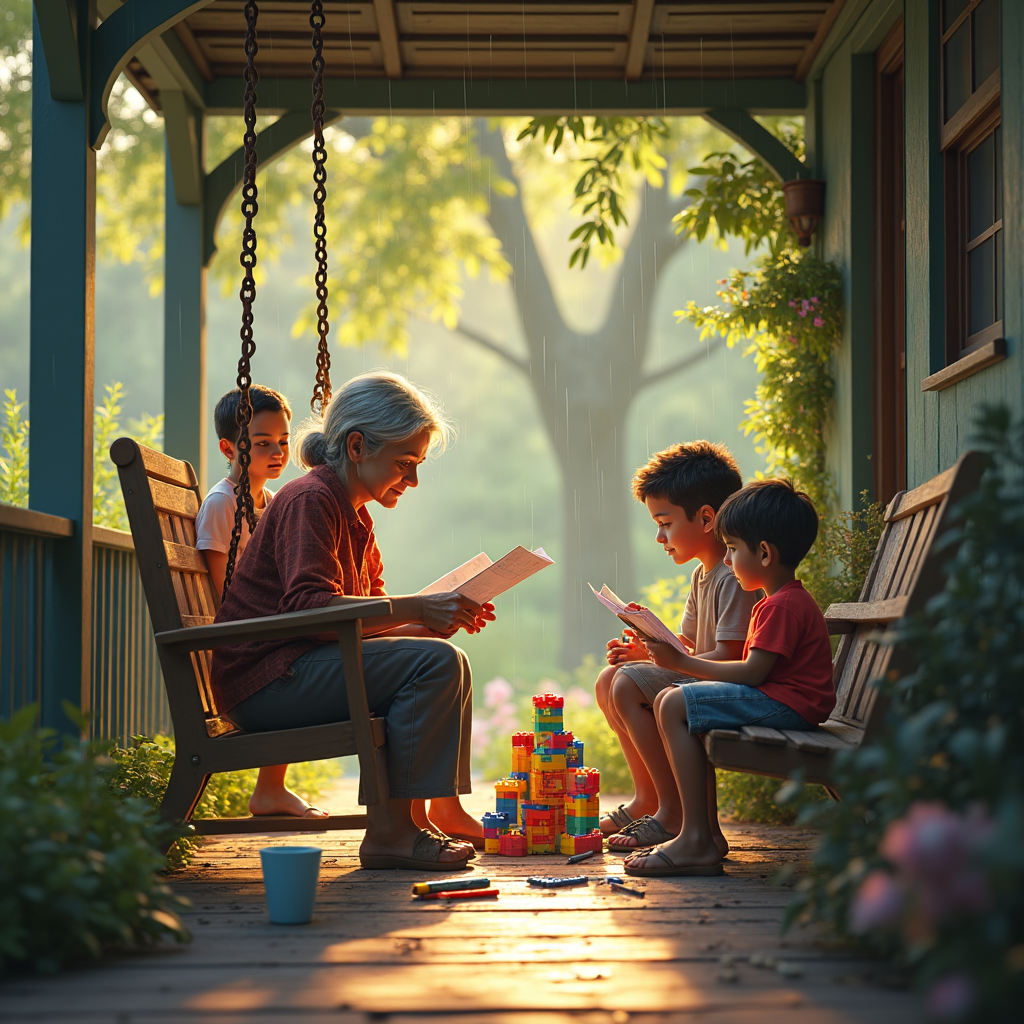
It reminded me why I came back to Room 214, really. This whole school thing, this constant observing of kids trying to figure themselves out…it felt like I was getting a glimpse into something bigger than just education. It's funny how easily we get caught up in the *doing*, you know? Like Mateo, with his obsession with building elaborate block cities – it wasn’t about the towers; it was about creating something that lasted, something he controlled for a little while. I started to think about how much my students were like him—struggling to make sense of things and wanting to create order in their own lives.
I’d been wrestling with this idea of “focus” lately, especially after the whole ‘muscle’ analogy one of the researchers brought up. It felt…forced. Like trying to will myself to concentrate on a single equation when my mind was bouncing around like a pinball machine. Chloe kept interrupting me during math lessons because she was just *so* curious about everything - she’d constantly ask, "Why?" and “How?” And honestly? I realized that fighting the scattered thoughts wasn't working. It was exhausting, and it felt dishonest – pretending to be completely centered when my brain was buzzing with a hundred different things.
It struck me then—genuine focus comes from letting yourself get pulled in, from following those unexpected rhythms. From letting Mateo’s block city momentarily capture his attention, or Chloe's endless stream of “whys.” It felt less like a discipline and more like...an invitation. Like if I just let go of the urge to control everything and pay attention to what was happening *around* me, things would start to click into place in a way they never had before.
And that’s where it really hit me: we spend so much time trying to force ourselves to concentrate, building these mental walls against distraction, when maybe the key is just accepting the messiness of attention itself. It's like, instead of trying to build a solid foundation by meticulously laying each brick, you start with a pile of bricks and let it naturally form into something...interesting.
The whole thing got me thinking about how much kids learn through play – specifically, through that wild, unstructured time they spend just…being. Seeing Mateo lose himself completely in his block city wasn't just cute; it was like witnessing a miniature scientist at work, experimenting and discovering without any predetermined goals. It’s funny what we miss when we’re too busy trying to make things “productive.”
I started thinking about the bigger picture - how this whole thing connects to everything I teach, and everything I've observed. It goes beyond simply memorizing facts; it’s about fostering that innate curiosity, that drive to explore, to question. It made me think about my grandmother's insistence on making Sunday gravy—it wasn't just a recipe; it was a connection to our family history, a tangible reminder of where we came from.
Maybe the biggest lesson I learned this summer isn’t any single thing I read or observed in Room 214, but that sometimes, the most profound understanding comes not from seeking answers, but from simply *being* present with the questions.