Finding Stillness in the Chaos
It’s funny, isn’t it? The sheer audacity of suddenly having *time*. Thirty-four years spent meticulously building a life around obligations—the precise click...

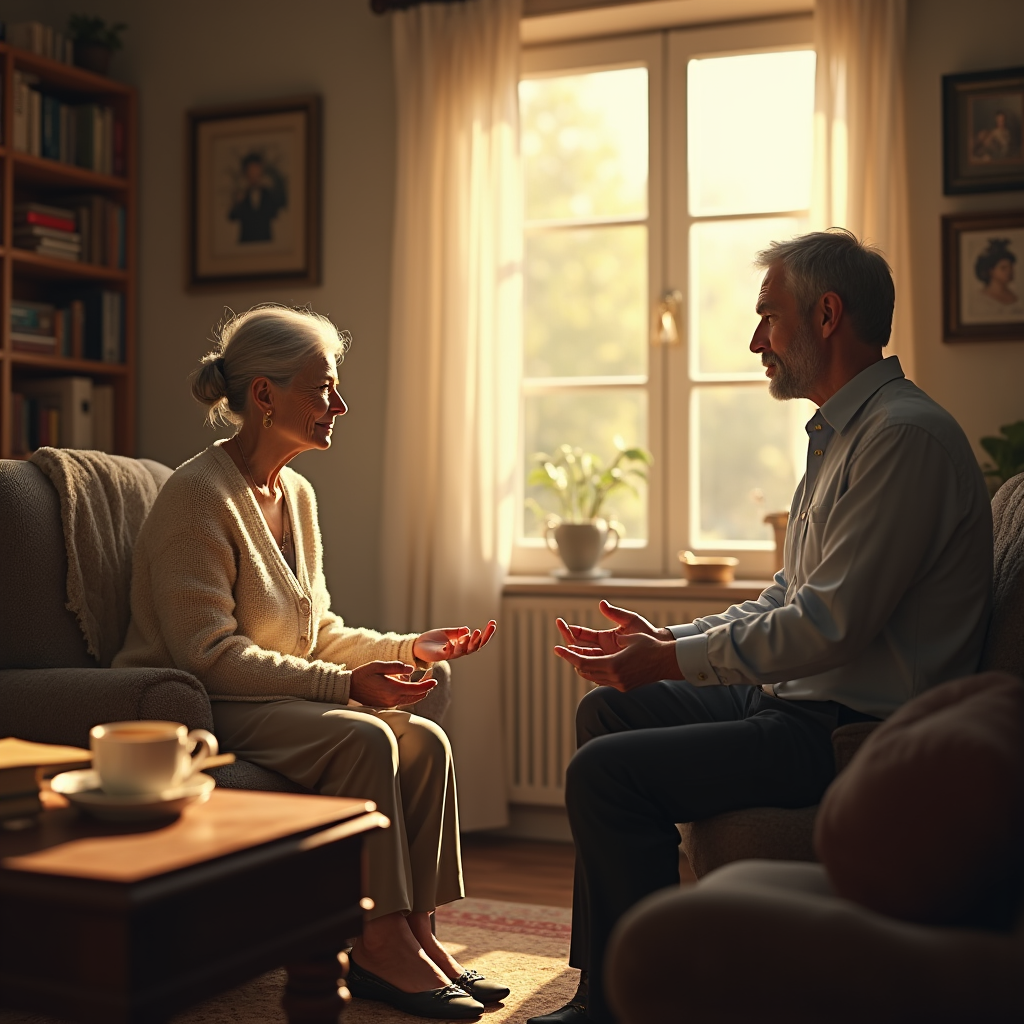
It’s funny, isn’t it? The sheer audacity of suddenly having *time*. Thirty-four years spent meticulously building a life around obligations—the precise click of my briefcase opening, the predictable rhythm of meetings, the knowing glance at the clock before stepping out for lunch—and then…nothing. Not nothing, exactly, but an absence of that particular architecture. Bernard still chases his deadlines with the same fervor, bless his heart, and I’m left with this house, quiet as a tombstone after all those years of chatter.
I've been wrestling with the notion of cause and effect lately, really. It seems so reductive to try and pinpoint one event—a childhood argument, a difficult boss—as the root of something like my anxiety. You read about it, these self-help guides, and they tell you to trace it back, to excavate the original sin. But what good does that do? The anxiety is *now*. It's sitting here with me, breathing in the afternoon sun, demanding attention. Trying to understand where it came from feels…almost disrespectful to what’s happening today.
I started spending time with Phyllis – just us, really – and her fascination with astrology became a comforting routine. It wasn’t about predicting the future; more like noticing patterns, seeing things reflected in the movements of the planets that felt…accurate. And it shifted something inside me—a willingness to look at what's *present* rather than endlessly searching for a ghost from the past.
I found myself preoccupied with this strange urge to manage things, especially regarding Bernard. This “Chinese Parents” game – utterly absurd, really – had taken hold, and I was suddenly acutely aware of my desire to steer his choices, to ensure he wasn’t making mistakes based on some perceived lack of foresight. It's a yearning for control, isn’t it? A deep-seated need to shape the world around me, perhaps born from years spent guiding others—a potent mix of affection and carefully considered direction.
It struck me that I was arranging my family interactions like delicate china – beautiful, intricate pieces, but unsettlingly fragile. This awareness sharpened my focus on wanting freedom– a freedom to simply *be*, without the weight of expectations bearing down. And honestly, sometimes I wish I could just…let it go.
The key, I think, is recognizing these moments—these “choice points,” as they call them – when you can consciously align your actions with what truly matters to you. Do I reach for my phone and scroll through endless updates, or do I pick up a book? Do I hide from the discomfort of a difficult conversation, or do I offer a genuine listening ear? These small acts, these repeated decisions, are what shape us, aren’t they?
It's remarkable how often the oldest techniques – mindfulness, for example—still hold such profound power. It seems so simple, just being present, yet it requires a level of focus that feels increasingly elusive in this age of constant stimulation. I tried loving-kindness meditation and while initially it felt utterly ridiculous to be directing thoughts of compassion toward strangers, there was something genuinely calming about the practice—a sense of detachment from the churning anxieties within.
And you know what's truly astonishing? That so much wisdom – ancient or modern – boils down to a remarkably small number of fundamental principles. It’s not about discovering some grand, revolutionary secret; it’s about simply paying attention, focusing on what is *real*, and acting with intention. Perhaps the biggest surprise wasn’t the techniques themselves, but the realization that the answers have been here all along—waiting for us to see them clearly.