Finding Style Beyond Trends and Sales
Sometimes I look at my closet and feel like I’m looking at a stranger’s belongings. It's not that the clothes are bad; it’s that they don’t seem to *belong* ...

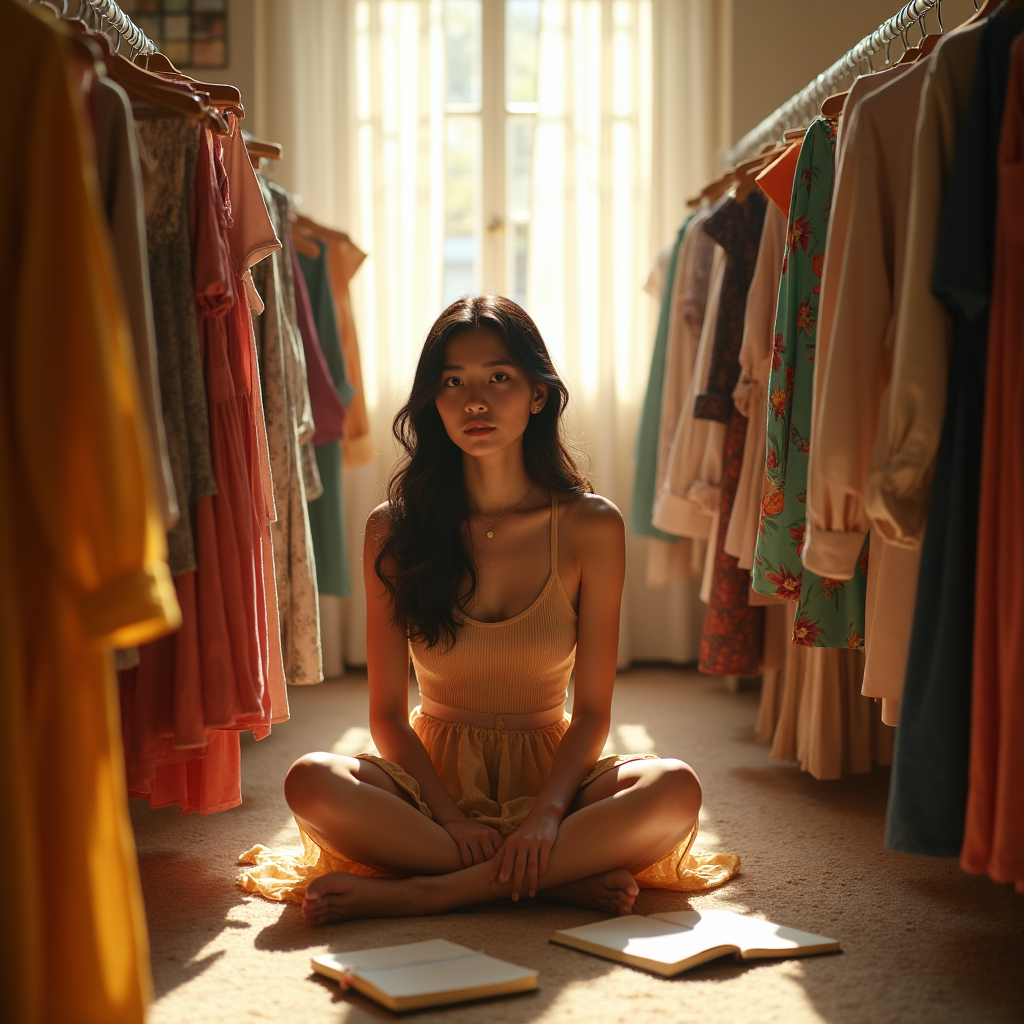
Sometimes I look at my closet and feel like I’m looking at a stranger’s belongings. It's not that the clothes are bad; it’s that they don’t seem to *belong* to me, or more accurately, don’t reflect anything about me. A few years ago, I was buying things because they were on sale. Last year, it was chasing trends seen on someone else’s Instagram. Now? I’m just… adrift. It's a surprisingly heavy feeling.
This isn’t entirely new, this disconnect. Sophomore year of college started the same cycle – a clearance rack here, an impulse buy there - things that felt fun at the time but have accumulated into a collection of clothes that feel like costume pieces rather than an authentic expression. I kept buying things thinking *this* would be it, this will magically create a coherent style. It didn’t.
I recently stumbled across something called color analysis. It's older than me, apparently. Decades old. Back when people actually read magazines and those magazines dictated entire wardrobes. It involves determining your “seasonal” coloring – whether you fall into the categories of Spring, Summer, Autumn, or Winter – based on undertones in your skin, hair, and eyes. The idea is that certain colors will harmonize with your natural coloring while others will make you look tired or washed out.
It sounds ridiculous when I say it out loud. A bit…frivolous. But there’s something oddly compelling about the potential for a systematic approach to something as nebulous as personal style. It’s an attempt at order, which is appealing when faced with the chaotic mess of my wardrobe and the internal struggle over what to actually wear each day. And maybe, just *maybe*, it could be more than just choosing flattering colors.
I started researching. Videos on YouTube, old blog posts (surprisingly many), even a few articles that referenced its historical use in retail decades ago – trying to understand how this system was initially used and then seemingly abandoned. It's fascinating seeing the evolution - from prescriptive dictate of what you *should* wear, to a slightly more nuanced exploration of what colors simply make you look your best. The emphasis seems to be shifting now toward self-discovery rather than strict adherence to rules.
My initial skepticism started to soften as I saw people online genuinely connecting with their color seasons. They weren’t just talking about the colors that “looked good” – they were discussing a feeling of *rightness*, an unexpected confidence that came from wearing clothes aligned with their natural coloring. It felt like a different way to look at style, beyond trends and sales. More… internal.
The night after Jacobs Pavilion, I wrote something about it. Just rambled, really, about the frustration of feeling lost in my wardrobe and the tentative hope this color analysis thing offered. Twenty-seven people read it. It's a tiny number, but somehow… significant. The fact that even seven people cared enough to click felt like a small validation. A quiet signal that maybe there’s something worth exploring here, beyond just a shallow aesthetic exercise.
It's not a magic bullet, I know. Color analysis isn't going to solve the problem of overconsumption or suddenly transform me into a style icon. But it *might* be a starting point for building a more intentional wardrobe – one that reflects who I am, rather than who I think I should be. And honestly, right now, that feels like progress. It might even mean wearing things from my closet again and actually feeling like they belong to me.