Finding Time for Connection in Chaotic Lives
As I reflect on my time with students in Room 214, I'm reminded of a fundamental challenge many parents face: finding quality time amidst the chaos. The work...

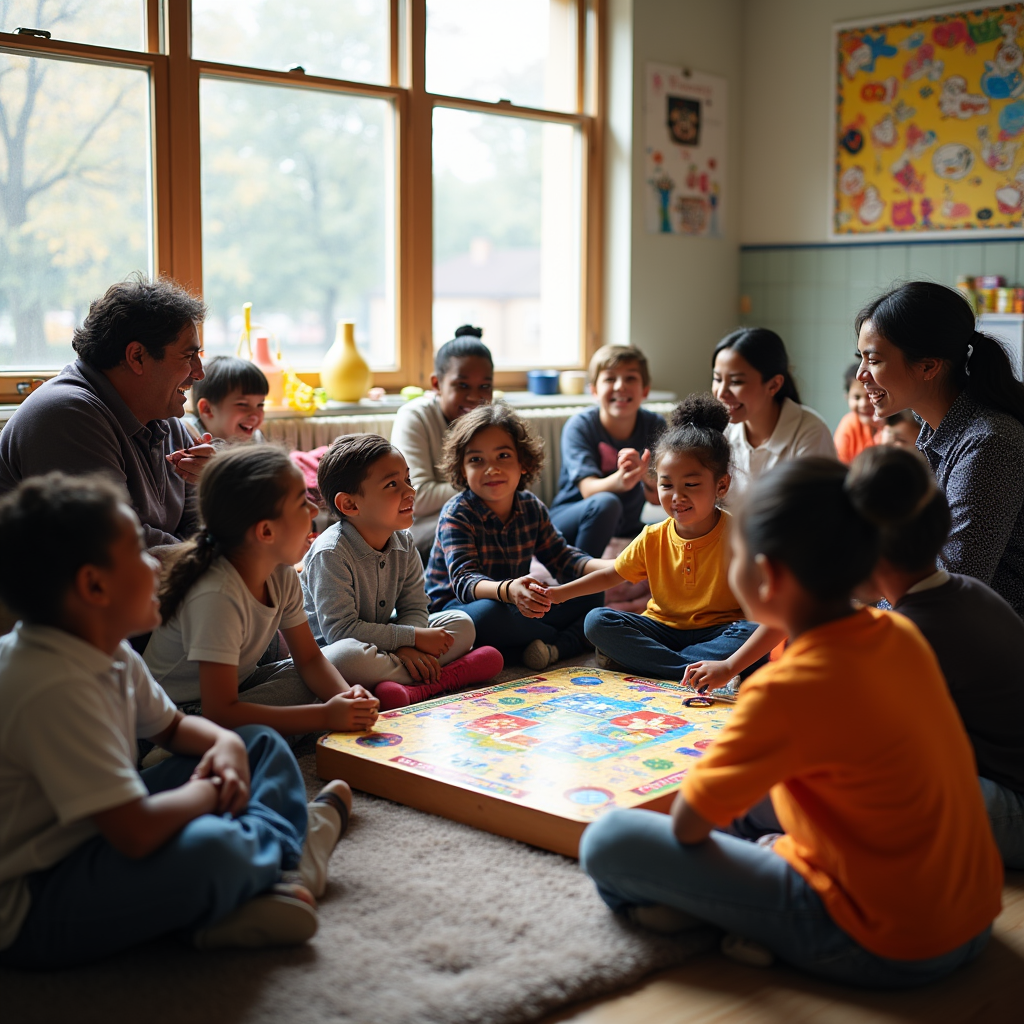
As I reflect on my time with students in Room 214, I'm reminded of a fundamental challenge many parents face: finding quality time amidst the chaos. The working day is long, and responsibilities multiply like weeds in a neglected garden. It's easy to get caught up in schedules, obligations, and distractions – even as educators, we're not immune to this reality.
In my own life, I've seen how being honest with students about our limitations can be liberating. When I say, "I'd love to help you with this project, but I have a meeting with the principal," it sets clear expectations and allows them to understand that I'm human, just like they are. This vulnerability creates space for trust to grow.
As teachers, we often talk about being present in the classroom, but what does that mean? Can we be fully engaged, mentally and emotionally, when our minds are preoccupied with other tasks? It's a tricky balance, especially during those long hours spent grading papers or planning lessons. But I've learned that even small moments of presence can make a world of difference – like when I put down my laptop to listen attentively to a student's struggles.
Scheduling "fun time" may seem counterintuitive, but trust me, it's essential for building connections with our students and their families. By designating specific times for play or activities, we create structure that reduces stress and sets clear expectations. It's amazing how a simple game night can become a cherished tradition – one where everyone knows what to expect and can relax together.
One crucial aspect of being present is putting away screens during interactions with our students. I've noticed how often parents are glued to their phones, even when they're trying to be fully engaged. Of course, technology has its place in education, but it's vital that we use it responsibly – not as a substitute for genuine connection.
Meaningful routines can also play a significant role in our relationships with students and families. Establishing regular patterns like homework help or family game nights provides stability and reassures everyone involved that they're part of something special. These routines become beacons of consistency, making even the most chaotic days feel more manageable.
I've come to realize that it's not about achieving perfection but rather embracing the imperfections that make life rich. When we learn to accept the unpredictability of our students' lives and the challenges that come with teaching, we open ourselves up to new opportunities for growth and connection.
As educators, we're constantly seeking ways to build stronger relationships with our students and their families. By acknowledging our limitations, being present in moments big and small, scheduling meaningful activities, putting away screens, creating routines, and embracing imperfections – we can transform the way we interact with one another.