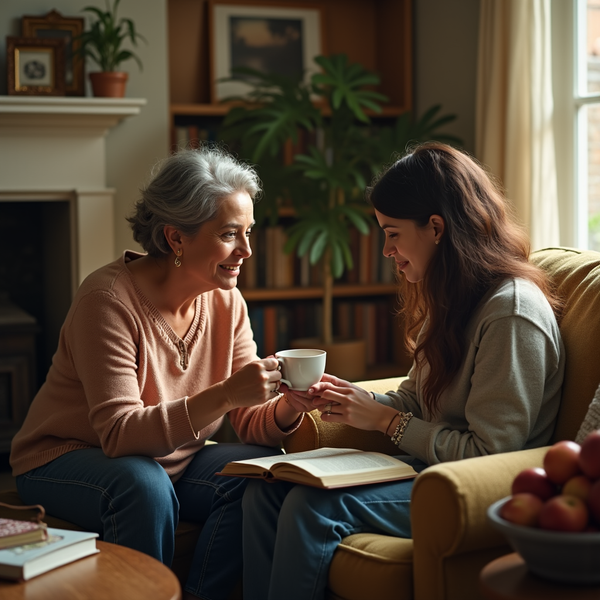
Fractured Faces and Silent Questions
The rain hammered against the windows of Room 214 this morning, mirroring something I’d been watching unfold – a quiet fracturing in the faces of my students...

The rain hammered against the windows of Room 214 this morning, mirroring something I’d been watching unfold – a quiet fracturing in the faces of my students. Not dramatic outbursts, nothing so easily categorized as “anxiety.” Instead, a subtle pulling back, a dampening of the usual eagerness to dissect Shakespeare or build models of Roman aqueducts. It began, I suspect, with Mr. Henderson’s announcement last week about the shift to online assessments – the ones that don't allow for shared experience, that reduce learning to isolated screen time.
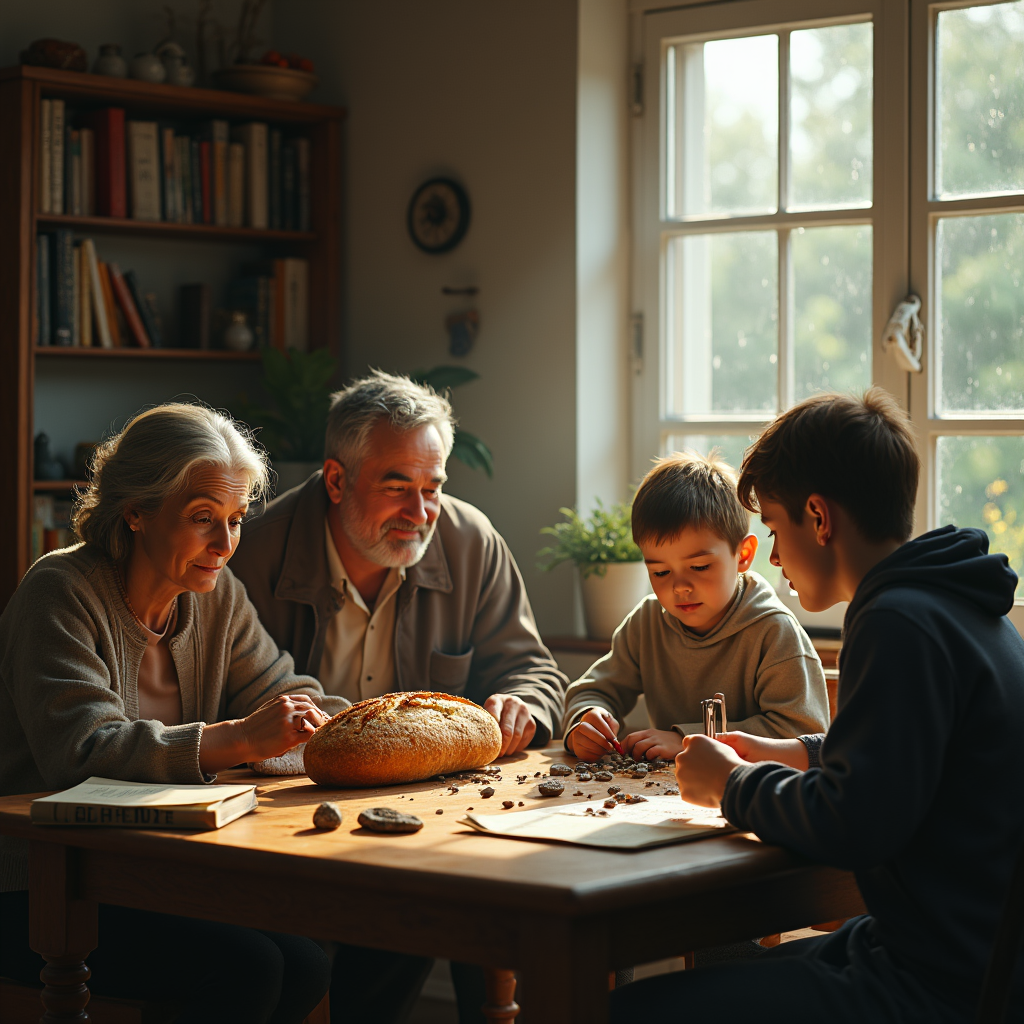
I’ve been spending a lot of time at the kitchen table lately, staring at my lists. Grocery lists, of course, essential things like flour and yeast for the bread I’m attempting to make again – Jerry insists we need more rye – but also lists of names: Mateo, Chloe, Liam, even little Leo who still tries to sneak into class with a handful of rocks he’s collected. It feels almost ritualistic, this compiling of details, a way to hold onto something solid in the face of…well, what I sense is growing uncertainty.
It's not just about the assessments, though that certainly contributes. The news has been a relentless torrent lately – the whispers from City Hall about development projects threatening our neighborhood parks, the unsettling reports on television about rising crime rates downtown, the constant stream of emails promising doom and gloom about…everything. It’s as if the world is deliberately constructing itself into a puzzle with missing pieces, and the children are struggling to reconcile that broken image with their understanding of order and predictability.
I spoke to Mateo earlier, during recess. He was meticulously arranging pebbles on the pavement, forming what looked like a miniature city. When I asked him about it, he just shrugged, saying, "It's…it’s not working anymore." It wasn’t a grand pronouncement, but it carried a weight – a recognition that something fundamental has shifted, that the rules he used to understand are no longer reliable. Chloe, who normally devours books with an almost frightening intensity, hasn't touched hers in days.
This morning I noticed Leo sketching furiously in his notebook - not a drawing of a dinosaur or a spaceship like some of the other children. He was sketching a picture of a broken fence and writing "Why?" underneath it several times. It’s the quiet moments like these that concern me most. The way they retreat into their own worlds, seeking solace in small acts of creation, or simply observing with an unnerving stillness.
Jerry says I worry too much. He says, “The world will always be chaotic, Mary. You can't stop it.” And he’s right, of course. But there's a difference between accepting chaos and *feeling* its pull – that corrosive sensation of helplessness when you realize the foundations beneath your feet are shifting without warning. I find myself instinctively reaching for the familiar: a good book, a shared meal with Jerry, the comforting rhythm of kneading dough.
I think perhaps this is what happens when we're presented with too many choices, too many possibilities that compete for our attention. The children have always been adept at navigating simple requests – "Wash your hands," “Clean up your toys.” But the complexities of the adult world—the political maneuvering, the economic anxieties, the constant barrage of information—seem to overwhelm their innate sense of how to manage uncertainty.
The key, I believe, is not to provide them with easy answers, but to equip them with the tools they need to confront these questions themselves. To show them that even when things seem broken or out of control, there’s still beauty to be found – in a perfectly arranged pebble, in the aroma of freshly baked bread, in the quiet companionship of a friend. Perhaps more rye bread is in order.