
Fueling Minds Food for Thought
This week, I read something that made me pause while I was stirring a pot of Sunday gravy – my grandmother’s recipe, finally coming together after years of t...

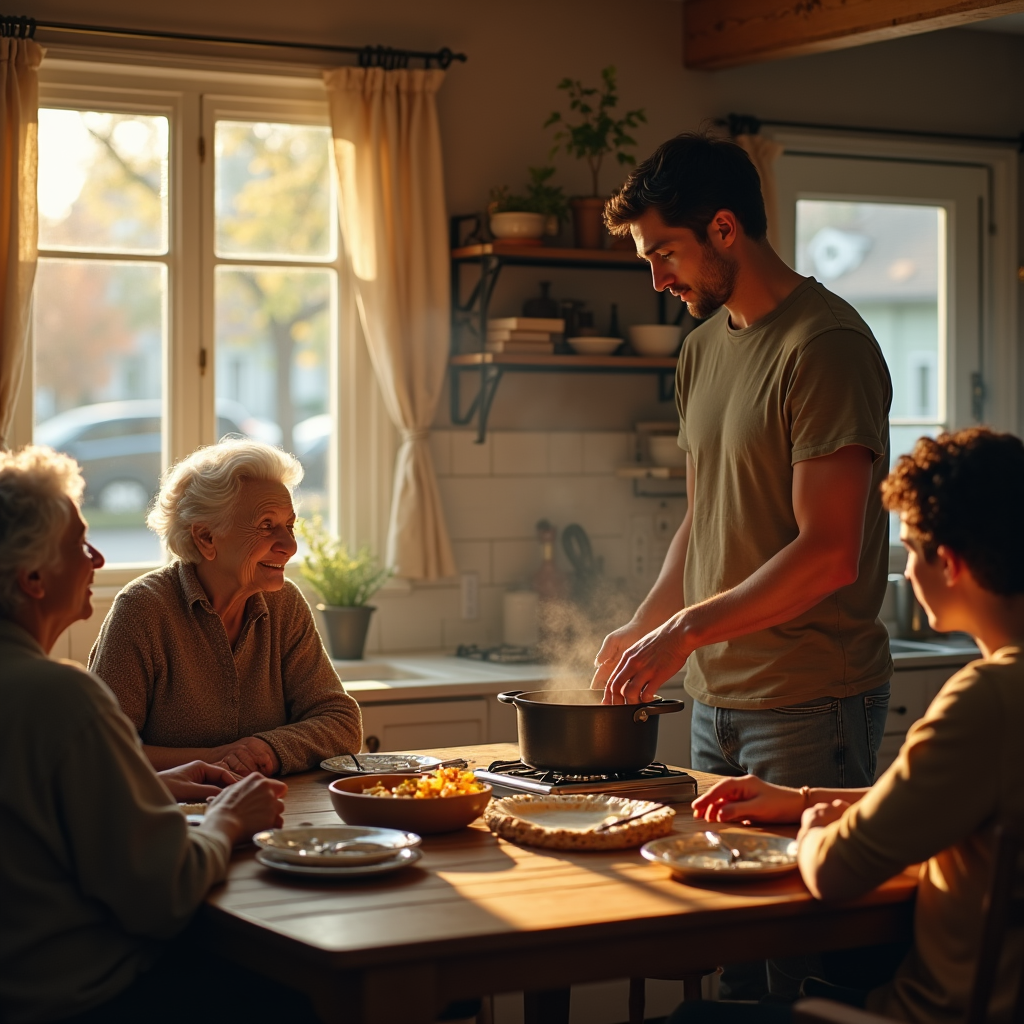
This week, I read something that made me pause while I was stirring a pot of Sunday gravy – my grandmother’s recipe, finally coming together after years of tinkering. It wasn't about teaching fractions or explaining photosynthesis, but about what we put in our bodies and how it might be…changing us. There was this study, see, about young adults and ultra-processed foods—the kind stuff that practically begs you to buy it at the Wawa on Girard.
It’s not like I’m perfect. My kitchen table in Fishtown has seen its fair share of frozen pizzas and microwave meals over the years. Sometimes, after a long day with thirty fourth graders trying to understand why “to” is different than “too,” it's just easier. But reading about how these foods might be messing with how our brains work – especially when we’re still growing and learning – well, that stuck with me. It feels…wrong.
I think back to my own time as a kid. My grandmother made most of what we ate. Not fancy stuff, mind you – just good, honest food. Roast chicken, pasta with red sauce, sometimes even homemade pierogies from Delaware County. We didn't have much extra money, but what we *did* eat was real. Now? You walk down the aisles in any supermarket and it’s a battlefield of brightly colored boxes promising convenience and flavor.
It makes you wonder about all those kids I see every day, staring blankly at their tablets, struggling to focus, bouncing off the walls. Are they just bored? Or is something else going on? It's easy to blame screen time – and there’s definitely a problem with that – but maybe we need to look closer at what fuels all that activity.
The study didn't spell out exactly *how* it happens, but it had something to do with the gut, apparently—that whole connection between your stomach and your brain that nobody really talked about when I was growing up. All these additives and preservatives in processed foods can mess with the good bacteria living inside us. And if your gut isn't happy, neither is your brain. It’s like trying to run a car on bad gas – eventually something’s going to break down.
I mentioned my grandmother’s gravy recipe. She wasn't a scientist or anything, but she knew a thing or two about good food. "Real ingredients," she'd say, "that's all you need.” And that’s the truth. It takes more time, sure – there's simmering and stirring and letting things develop—but isn’t it worth it to feel like you are putting something truly nourishing into your body?
It doesn't mean we have to give up everything convenient. I still grab a frozen pizza sometimes. But maybe, just maybe, we can start making some small changes. Packing a lunch instead of buying one. Choosing an apple over a bag of chips. Cooking a real meal once or twice a week. It’s not about deprivation; it's about balance—about giving your brain the fuel it needs to thrive.
I spent a lot of this summer in Fishtown, reconnecting with some old routines and good habits. And that gravy... that was more than just a recipe. It was a reminder that simple things, made with care, can make a big difference—not just in how you taste, but in how you feel, and maybe even how you think. It's something I want my kids to know someday – the ones who aren’t born yet, anyway. Because giving them a good start means more than textbooks and tests; it means nourishing their minds from the very beginning.