Gaming: More Than Just Escapism
Look, I ain’t gonna front—I used to roll my eyes at this stuff. Headlines about video games being *good* for you? Sounded like another corporate play, trying...

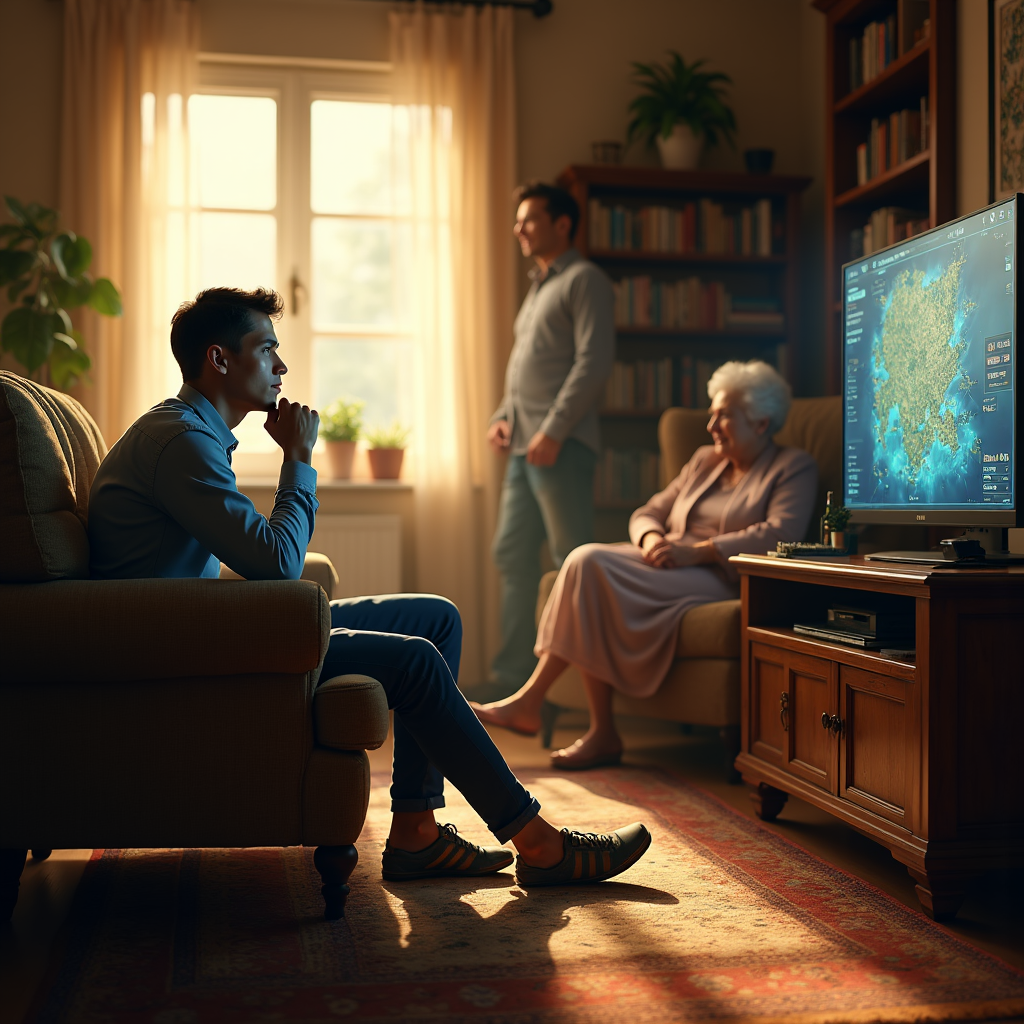
Look, I ain’t gonna front—I used to roll my eyes at this stuff. Headlines about video games being *good* for you? Sounded like another corporate play, trying to justify endless hours glued to a screen. Like they were trying to smooth over the guilt of knowing we should probably be outside more. Remember those days grinding *Call of Duty*, hustling for rank while my momma was hollering from the kitchen about sunlight and fresh air? That felt less like cognitive enhancement and more like pure escapism, truth be told.
But lately, I’ve been doing a lot of re-evaluating. Dropping out… man, that shook me up something fierce. The doubt hits different when you're staring down the barrel of what feels like a stalled-out life. All those hours I spent building beats, putting them online, just hoping *something* would stick? It felt like shouting into a void most days.
Then September came along with that first paid placement—six hundred dollars to be exact—and it was weird. Not a windfall; more like a tiny crack in the wall of self-doubt I built up over months. Suddenly, the thing I’d been doing for so long, feeling like maybe it was all just noise, *actually meant something.*
I started thinking about how my brain felt when I was really dialed into a game—that flow state where time disappears and you're reacting without even thinking. It wasn’t just mindless button mashing; it felt like building pathways, sharpening reflexes. My friend Marco used to tell me I had a knack for strategy games, always figuring out the optimal moves three or four steps ahead. He said it was something about seeing patterns.
There’s this new research coming out now suggesting that some video games, specifically ones involving problem-solving and spatial reasoning, might actually have benefits. Not curing Alzheimer's or anything—let's be real about what’s possible. But potentially slowing down age-related cognitive decline, helping people recover from brain injuries...that’s a different level than just “it’s fun.”
It makes you wonder if those hours I put in, not for clout or validation but just because I *enjoyed* it, weren't doing something useful anyway. My grandmother struggled with memory loss later on; those moments of confusion were heartbreaking to witness. Maybe, just maybe, the games I played growing up could have helped her—or someone like her—hang onto more of themselves for longer.
Still gotta be careful about jumping to conclusions though. Correlation ain't causation, you know? It’s easy to see a link between playing certain games and improved memory or focus, but proving that the games *caused* those improvements is another hurdle entirely. You need more than just anecdotal evidence; you need rigorous testing, controlled studies...the whole nine yards.
I'm not suddenly going to start prescribing *Fortnite* as therapy, alright? But seeing this new information…it gives me a different perspective on something I’ve always loved. Maybe there's more to it than just a distraction. Maybe that drive for those high scores and complex strategies was actually strengthening my mind in ways I didn’t even realize. And maybe, just maybe, that's a good thing.