Gen Z: Value, Trust, and the New Hustle
We always hear it – Gen Z hates capitalism. Right? Like we’re all out here marching with signs and boycotting corporations, ready to dismantle the whole syst...

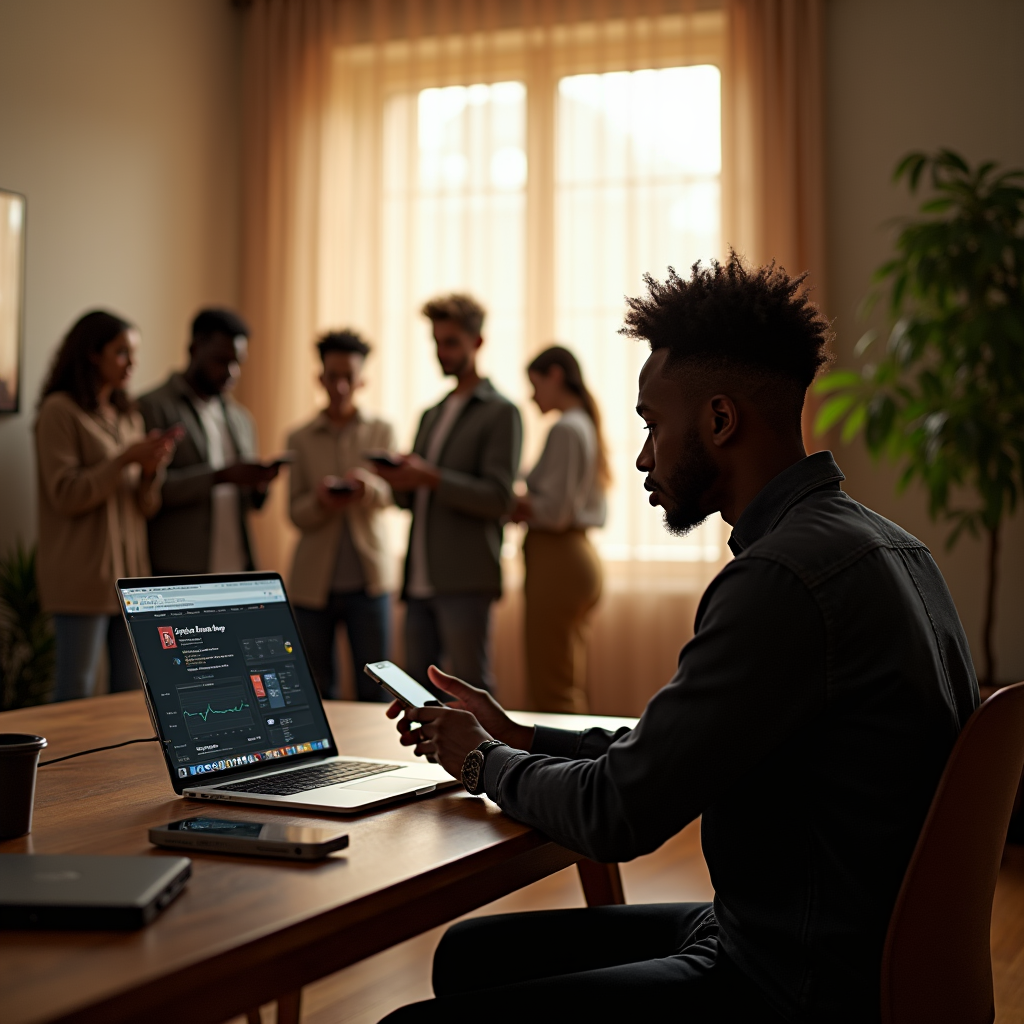
We always hear it – Gen Z hates capitalism. Right? Like we’re all out here marching with signs and boycotting corporations, ready to dismantle the whole system. And parts of that are true, I guess. But honestly, seeing those headlines always felt…off. It’s a narrative built for clicks, not reality. Because look around. We *are* online, scrolling through TikTok, hitting “add to cart” on things we saw five minutes ago. Is that anti-capitalist? Maybe not in the traditional sense.
It's more like...we just want what we’re worth. Plain and simple. This new study I was skimming earlier – something about how Gen Z’s spending habits are driven by value and trust – it hit different, you know? It wasn’t some hot take; it felt like a recognition of something I already knew to be true based on just *watching* the people around me. My crew back in Atlanta, they weren't just buying hype; they were researching it.
I see it even with my own process right now. Making beats, building an audience – it’s all tied to creating something valuable. Something real. Not some manufactured garbage designed to make someone else rich off our energy. The follower count might be low–under a thousand for now–but those who *get* it are really locked in. They're the ones hitting that repost button, leaving thoughtful comments, understanding the grind. That's the value I’m trying to deliver, and they appreciate it.
That's why Yelp is our Bible these days. Legitimately. Before copping something – a new pair of shoes, a local restaurant, even just deciding where to get my hair cut - someone in the group chat has already dropped a link and highlighted the reviews. The consensus matters way more than flashy advertising or influencer endorsements. We're not chasing clout; we’re looking for proof that what we're spending our money on is *actually* worth it. I've passed up some fire fits just because the online reviews were too risky.
Think about TikTok, too. It creates these insane trends—one day everyone's wearing a certain style of jeans, the next it’s all about a specific skincare product. But that initial interest rarely translates into immediate purchase. There's still this vetting process happening in the background. People are digging deeper, searching for honest opinions before throwing down their money. I know I do. I made beats inspired by sounds blowing up online and then scrapped half of them because they just didn’t hold up to scrutiny.
It all comes back to trust, I think. There's a deep skepticism toward institutions – corporations, the government, even some aspects of media. We grew up watching promises get broken, seeing systems fail. So we default to verifying everything ourselves. That whole AI-generated content thing? It’s terrifying in a way. Not just because it feels fake, but because it reinforces that distrust. Who can you believe when anything can be manufactured?
This beat I made back in August…it clarified something for me. The feel of the drums, the sample selection – it wasn't about chasing what was popular; it was about creating something authentic. Something I *believed* in. And if I believed in it, then maybe others would too. That’s the currency now: not hype, but genuine connection and value. It feels like a different kind of hustle, one that is just starting to find its footing.
So yeah, we participate in consumer culture. We buy things. But we're doing it on our own terms. It's not about rejecting capitalism; it’s about demanding accountability from it. Expecting value for what we spend and refusing to be fooled by smoke and mirrors. Maybe that's a form of rebellion after all – not shouting slogans, but voting with our wallets.