Inherited Sadness and Sunday Gravy
Sometimes I think about Room 214 and how little they knew. Not the kids – they knew plenty, probably more than I did when I was their age. But the adults, th...

Sometimes I think about Room 214 and how little they knew. Not the kids – they knew plenty, probably more than I did when I was their age. But the adults, the ones who designed the curriculum, the ones who nodded seriously during staff meetings about “grit” and “growth mindset.” They thought poverty was a problem you solved with tutoring and after-school programs. And those things are helpful, sure. Absolutely. But they’re Band-Aids on a tourniquet.
My grandma used to say that sadness sits in your bones. It's a funny thing to say, especially coming from someone who had seen some tough years. She wasn’t wrong, though. It's not something you can shake off with positive affirmations or extra homework. I see it in the kids now, sometimes—a stillness behind their eyes that doesn't quite match their age. A weariness that feels too heavy for small shoulders. It makes me wonder about where that weight comes from, and how much of it is just…inherited.
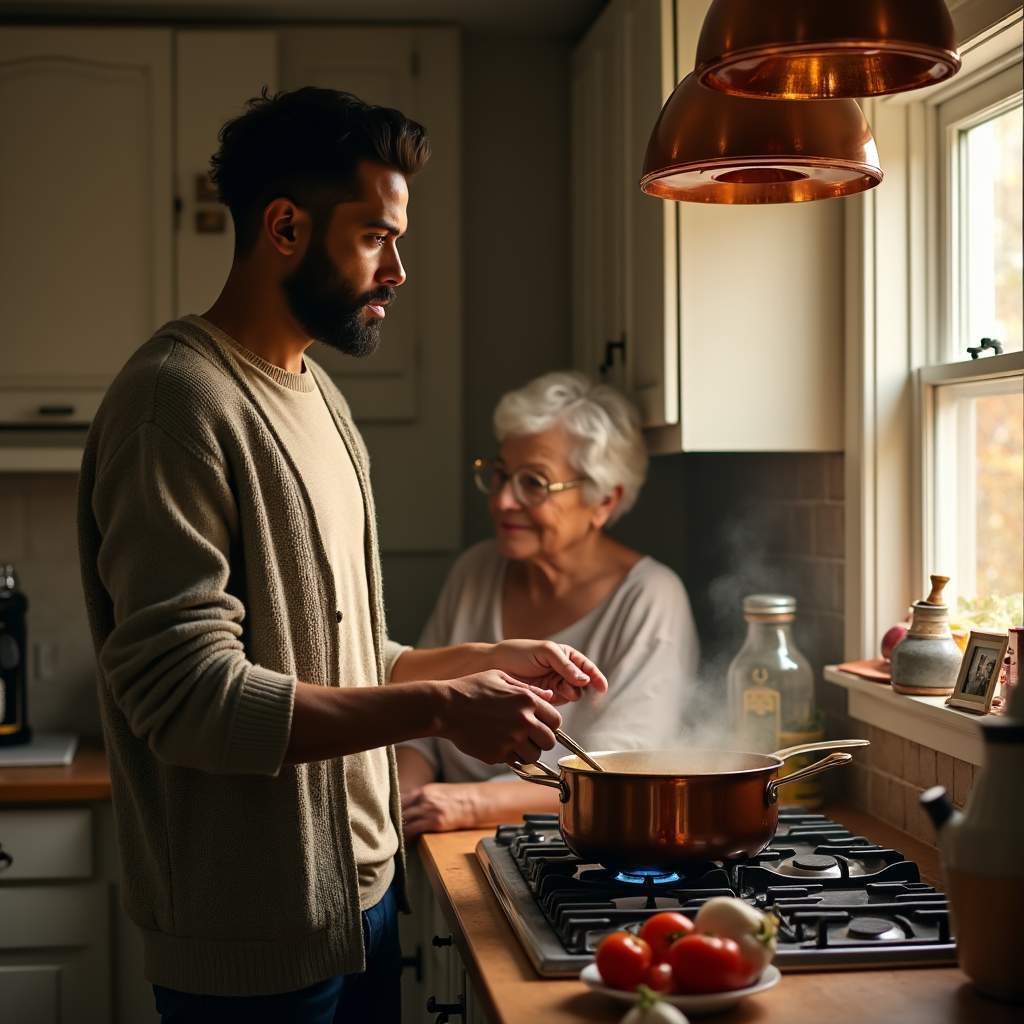
I started making Sunday gravy again this summer. My grandma’s recipe. She had been teaching me for years, but I always rushed through it—too busy, not enough time, whatever excuse I could invent. This year, I slowed down. Really paid attention to the simmering sauce, the way the garlic browned in the olive oil, the quiet persistence of the tomatoes. It felt…right. Like connecting something broken. My mom says that’s what cooking always did for her grandma – a tethering to someplace calmer.
I remember being a kid and feeling like everything was fragile. Not just my toys or my bike, but *everything*. Our apartment wasn't fancy, not by a long shot. And there were times when things got tight - Mom working extra shifts at the diner, us eating mac and cheese for what felt like every Tuesday night. It was never a crisis, not really. But that feeling—that constant low hum of uncertainty—it left its mark. You carry those anxieties around, tucked into your chest alongside all the other important stuff.
My cousin Marco, he’s always struggled. Not with school, not particularly – smart kid, really. He just… feels things more intensely. Arguments at home spiral quickly. He gets overwhelmed easily. My aunt says it's because his dad was a difficult man, and that some of that has passed down. Maybe that's true. Or maybe there’s something else at play. Something buried deeper.
There’s this idea I keep circling back to – what if the things we inherit aren’t just eye color or height? What if our families pass on not just their smiles, but also a predisposition to certain kinds of sadness? A heightened sensitivity to stress? It's not about blame; it’s about understanding. About recognizing that some kids start life carrying an extra burden they didn't choose. And that burden gets heavier when you’re constantly worried where the next meal is coming from, or if your mom is going to have to work another double shift.
I think a lot of teachers feel helpless sometimes. We see these kids, we try our best, but there are forces at play – things beyond our control – that shape their lives in ways we can only guess at. And it’s frustrating. Because all those fancy programs and interventions? They're important, sure. But they don't address the underlying problem: a system that sets some kids up to fail before they even start.
This summer I thought about getting back into coaching little league next spring, but I really don't know yet. It feels like there’s so much more to do than just teach hitting or fielding. So much more to understand. Maybe it starts with acknowledging that sometimes, the best thing we can offer a kid isn't extra help with fractions, but simply a safe place to be—a space where their sadness doesn't have to sit in their bones all alone.