Invisible Marks Beneath the Surface The Weight of Unseen Scars Room 214: A Space to Be Simmering Strength and Resilience Patience, Love, and a Good Recipe
Sometimes, when I’m grading papers – usually those essays on *The Odyssey* that somehow end up more about what they had for breakfast than Odysseus himself –...

Sometimes, when I’m grading papers – usually those essays on *The Odyssey* that somehow end up more about what they had for breakfast than Odysseus himself – I think about how much we expect kids to hold. Room 214 holds a lot. There's the quiet kid who draws superheroes in the margins of his notebooks, the girl with two jobs and a smile that doesn’t quite reach her eyes, the boy who still hasn’t processed losing his grandfather last year. You see it, you try to help, but sometimes you just feel…small. Like all you can do is offer a tissue or an extra five minutes on a test.
It makes me wonder about those invisible marks we all carry, the ones not visible in notebooks or on report cards. They’re there, though, etched onto us from somewhere back there. My own childhood wasn't exactly a picnic; plenty of things I don't talk about even with my cousins. Delaware County summers weren't always sunshine and Little League either. And you learn, eventually, that those experiences leave something behind – not necessarily bad things, sometimes resilience blooms from difficult soil - but *something*.
I read this article the other day, a real deep dive into what happens in our brains when kids experience tough stuff. It’s complicated, full of words I barely understood, but the basic idea stuck with me. Scientists are starting to see how early hardship can actually change things at a cellular level – basically, altering how our brain cells work and making us more likely to struggle with anxiety or sadness later on. It's like...imagine a really detailed drawing, carefully rendered. Now imagine someone accidentally smudging it; the image is still *there*, but it’s…different. Less clear.
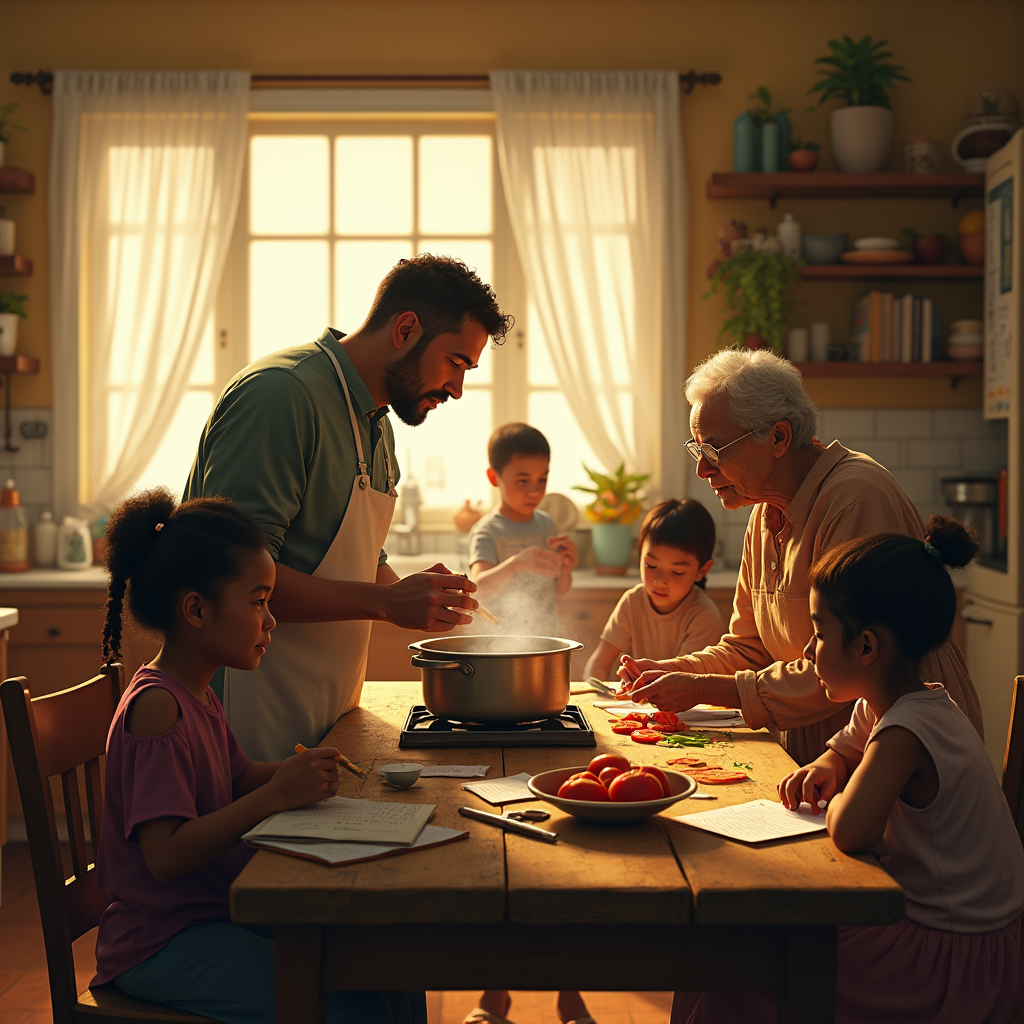
My grandmother started teaching me how to make Sunday gravy last year. It’s been a project for her forever, passed down from her mother, who learned it from hers. A slow simmer, hours and hours of onions caramelizing in olive oil, tomatoes breaking down into something richer than anything out of a can. I used to rush it, impatient, wanting that payoff right away. She’d just shake her head, say, "Patience, Michael. Good things take time.” And she was right. It’s the same with people, isn't it? Sometimes you need to let those old hurts settle before they can be transformed into something meaningful.
The article mentioned this protein – they didn’t name it specifically – but said it's sort of a gatekeeper for how our genes express themselves. When kids go through trauma, that protein can change its function, which then changes *how* our genes work. It doesn’t mean someone is destined to be unhappy or unwell; it just means their foundation has been altered in a way that needs extra care and attention. The image I kept coming back to was of tiny construction workers, trying to rebuild something essential after an unexpected tremor.
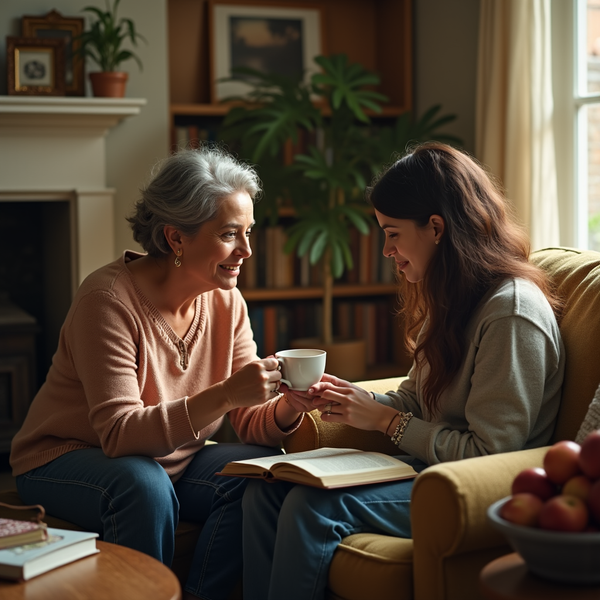
It's not about blame, either. It’s not like anyone *wants* kids to suffer. But it does mean we need to be smarter about how we support them. More than just offering a tissue; more than just good grades and extra time. It means creating spaces – at school, at home, in the community – where they feel safe enough to talk, to cry, to simply *be*. Room 214 is my attempt at that, I hope. Maybe it’s a tiny dent against something so large.
Thinking about that protein…it felt almost like understanding the blueprint of resilience. Like knowing there's a physical reason why some kids bounce back from unimaginable hardship while others struggle more visibly. It doesn't erase their pain or invalidate what they went through, but it offers a framework for understanding and, potentially, intervention. Maybe if we can learn to nudge that protein back on track, even just a little bit, we could shift the course of someone’s life.
I spent this summer in Fishtown mostly, which, honestly, was what I needed. Long mornings at the kitchen table with my grandmother, listening to her stories about growing up. Perfecting the gravy recipe while she told me about her own struggles and triumphs. It reminds you that even when things seem dark or difficult, there’s always something simmering beneath the surface – a strength, a connection, a possibility for growth. And sometimes, all it takes is a little patience, a lot of love, and a really good recipe.
That’s what I hope to bring to Room 214 next year: a quiet confidence that even the most smudged drawings can be beautiful, and a willingness to sit with those kids – whoever they are - while their Sunday gravy simmers.