Kids, Observation, And Letting Go
Room 214 has a way of doing that, doesn’t it? Just quietly settling you into this whole… noticing thing. It started with Mateo, really. The way he’d build th...

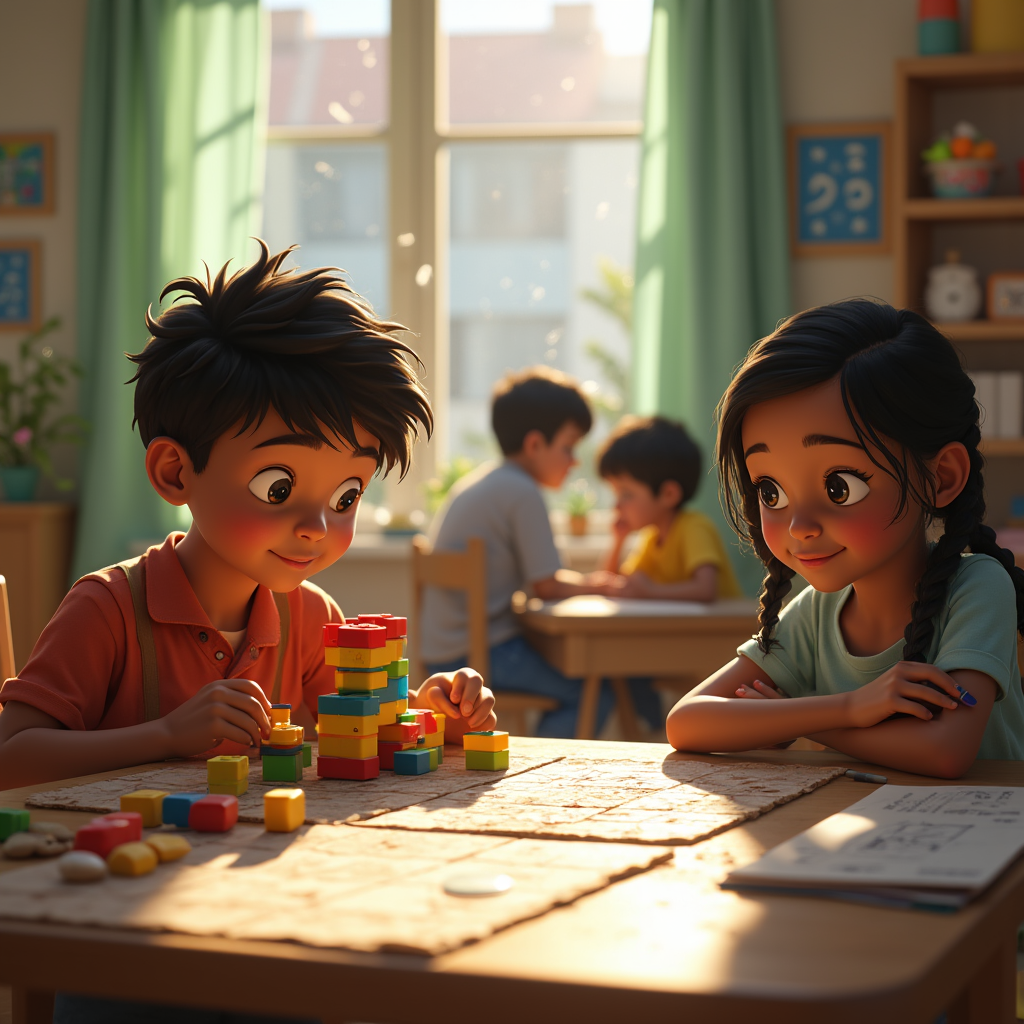
Room 214 has a way of doing that, doesn’t it? Just quietly settling you into this whole… noticing thing. It started with Mateo, really. The way he’d build those elaborate castles out of blocks, completely lost in the miniature world he was creating. You could see it in his face – not just focused, but *invested*. And then there's Chloe, perpetually fascinated by the patterns on the sidewalk after a rainstorm, her little brow furrowed with intense concentration as she tried to capture them in her sketchbook. It made me think about how much we expect kids to “get it,” to just suddenly understand things, and how often we miss the small, powerful lessons unfolding right in front of us.
I realized then that my approach had been… almost a pressure thing. I’d set up these little activities – the conflict resolution diagrams, the reading corner meticulously arranged - as if they were guarantees. As if knowing *how* to do something automatically meant you *would*. It felt so much like trying to force muscle growth – all effort and not really connection. The kids, especially Mateo, seemed to respond best when I stepped back, let them lead with their curiosity, and just observed.
It’s funny, though. When I started focusing on that observation—really seeing how a simple block castle could trigger an entire narrative for Mateo, or how Chloe’s sketching was less about the sidewalk itself and more about the *act* of capturing it – it felt almost… shameful at first. Like I was admitting I didn't have all the answers. But then, the other teachers started sharing my diagrams, and a few people on Twitter retweeted them. And suddenly, this whole thing felt like it might actually be worth something.
That’s when I started to understand that knowledge isn’t about neatly packaged facts; it's about recognizing those little shifts in energy, those moments of genuine engagement. It’s about seeing a kid completely absorbed in arranging pebbles and knowing, without needing an explanation, that you’ve stumbled onto something important. The reading corner arrangements? They just became… suggestions.
And the brain health thing? Don’t get me started. Apparently, scientists are still figuring out how much movement actually matters for, well, everything. But it felt profoundly intuitive to me—that those mornings with Mateo and Chloe weren't about “improving numerical recall,” they were about strengthening something deeper, something more fundamental.
The trick is accepting that your focus isn’t a fixed point, but a current – constantly shifting, pulled by unexpected things. It's not about *trying* to concentrate; it’s about noticing when the current changes direction and letting yourself follow. You see how easily our minds can be tricked, right?
I think a lot of this comes down to trust, too. Not just trusting the kids – I already did, instinctively – but trusting my own observations. Trusting that sometimes, the most valuable lessons aren’t found in textbooks or lesson plans, but in the quiet moments when a child is simply… being. It's about knowing you can’t control how they learn, only create an environment where they *want* to.
And honestly? That last day of school felt less like a conclusion and more like a beginning. A reminder that settling in isn’t about finding all the answers, but about learning to ask the right questions—the ones that come from really seeing the world through a kid’s eyes.