Letting Kids Be Kids: A Slow Summer Reflection
Sometimes, I feel like my job isn’t teaching third graders; it’s trying to convince adults that letting kids be… well, *kids* is okay. Like a really importan...

Sometimes, I feel like my job isn’t teaching third graders; it’s trying to convince adults that letting kids be… well, *kids* is okay. Like a really important lesson they forgot somewhere between college and carpools. Last year, Mrs. DiPietro, the kindergarten teacher down the hall, was telling me about this parent who’d scheduled a therapist appointment for their son because he wouldn't stop asking "What should I do?" It felt like a punch to the gut. What should he do? Absolutely anything!
I get it, though. We all want our kids to be happy, stimulated, *successful*. There’s this pressure to fill every moment with learning opportunities, enrichment activities, something that will make them stand out in some imaginary lineup for college acceptance letters they don't even know they're competing for yet. But I see it in room 214 every single day—the kids who are constantly driven and pushed? They’re often the most exhausted, the most anxious.
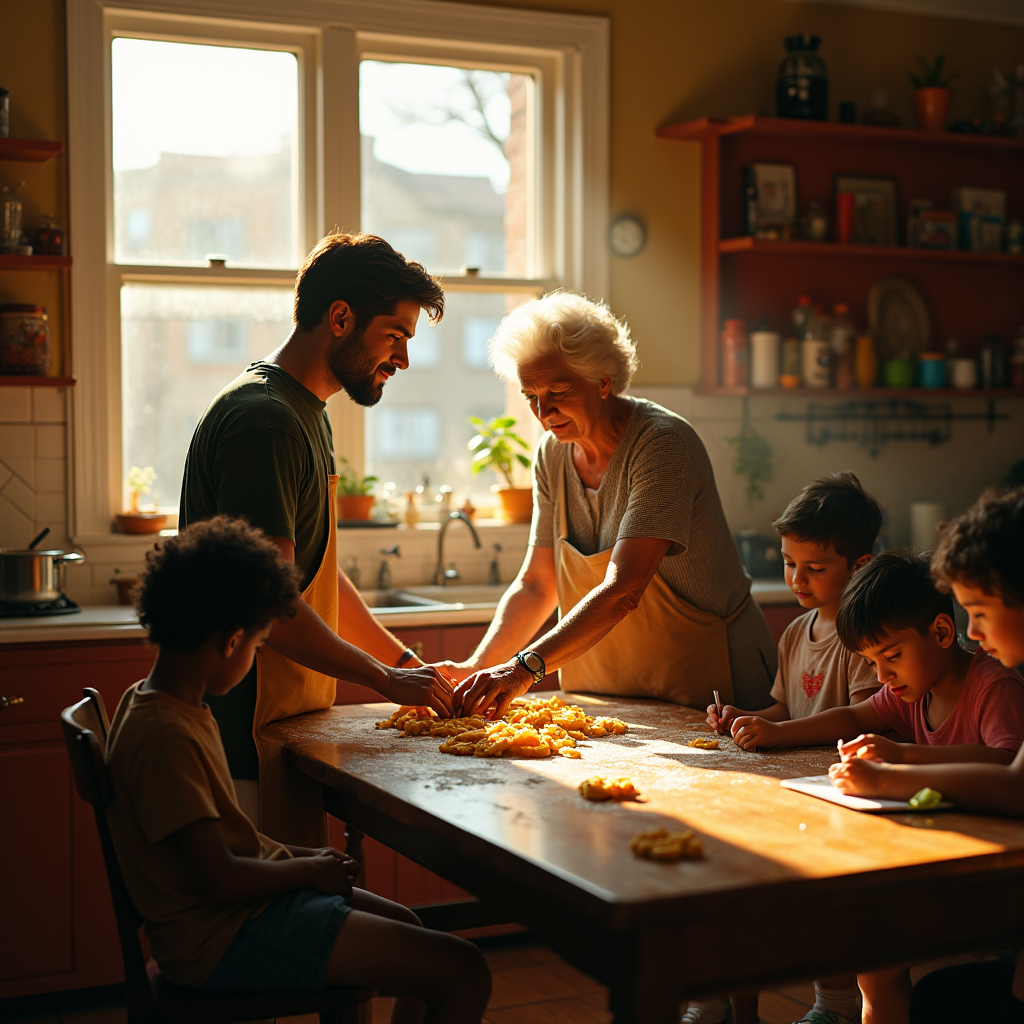
This summer’s been…different. My grandmother started teaching me how to make Sunday gravy a few years back, but something always got in the way – after-school programs, volunteer commitments, just *life*. This year, I actually finished it. Truly finished. Simmered it low and slow for hours while Fishtown hummed outside my window. It's a real thing to feel the weight of time shifting that slowly—like watching a child grow. And it got me thinking about how we try to speed up everything else, except maybe something truly good takes time.
My cousin in Delaware County has three kids. Three! She and her husband are both doctors, work crazy hours, and somehow still manage to sign their kids up for a million activities. Last weekend she confessed, voice laced with that particular weariness you only find when someone’s running on fumes, "I feel guilty if they're not learning *something*.” That guilt is poison, plain and simple. It breeds an environment where play becomes work, and joy becomes another item to check off a list.
I remember explaining to Mateo last year that sometimes, there's just...nothing to do. He looked at me like I was speaking Martian. His face scrunched up in this mixture of confusion and panic. “But… what *do* I do?” And that’s exactly the question we need kids to ask themselves – not have it answered for them by a parent, or an app, or a Pinterest board full of "30 Activities to Keep Your Kids Entertained."
It's been surprisingly peaceful here this summer. Long mornings at the kitchen table, cooking (mostly Italian food), reading old books—no agenda other than letting the hours drift by. It’s quiet, yes, but it's not *empty*. Those moments of perceived stillness are actually brimming with imagination, observation, and self-discovery. They're just happening on a different frequency from the constant stream of curated content we bombard our children with.
I tell Mrs. DiPietro sometimes that room 214 is my laboratory. I see how kids respond to different kinds of structure – and unstructured time. The kids who are given space to explore, to daydream, even to be a little bit bored—they surprise you. They build elaborate Lego cities in the corner during reading time. They invent games with discarded paper clips and rubber bands. They have these incredibly insightful observations about things that adults completely miss.
Maybe "boredom" isn’t something we need to eliminate; maybe it's something we need to cultivate. Maybe letting our kids be a little restless, a little unsure of what to do next, is the most important lesson we can teach them—the one that will actually help them thrive when they leave Fishtown, or Delaware County, or whatever corner of the world they end up in. It’s not about keeping them busy; it's about letting them *be*. And I think that’s a lesson worth simmering on for a long time.