Listening Deeper A Concert's Awakening
It’s weird to think about now, but I used to just… not notice. Not consciously, anyway. Like when Dad would play classic rock on Saturday mornings – songs I’...

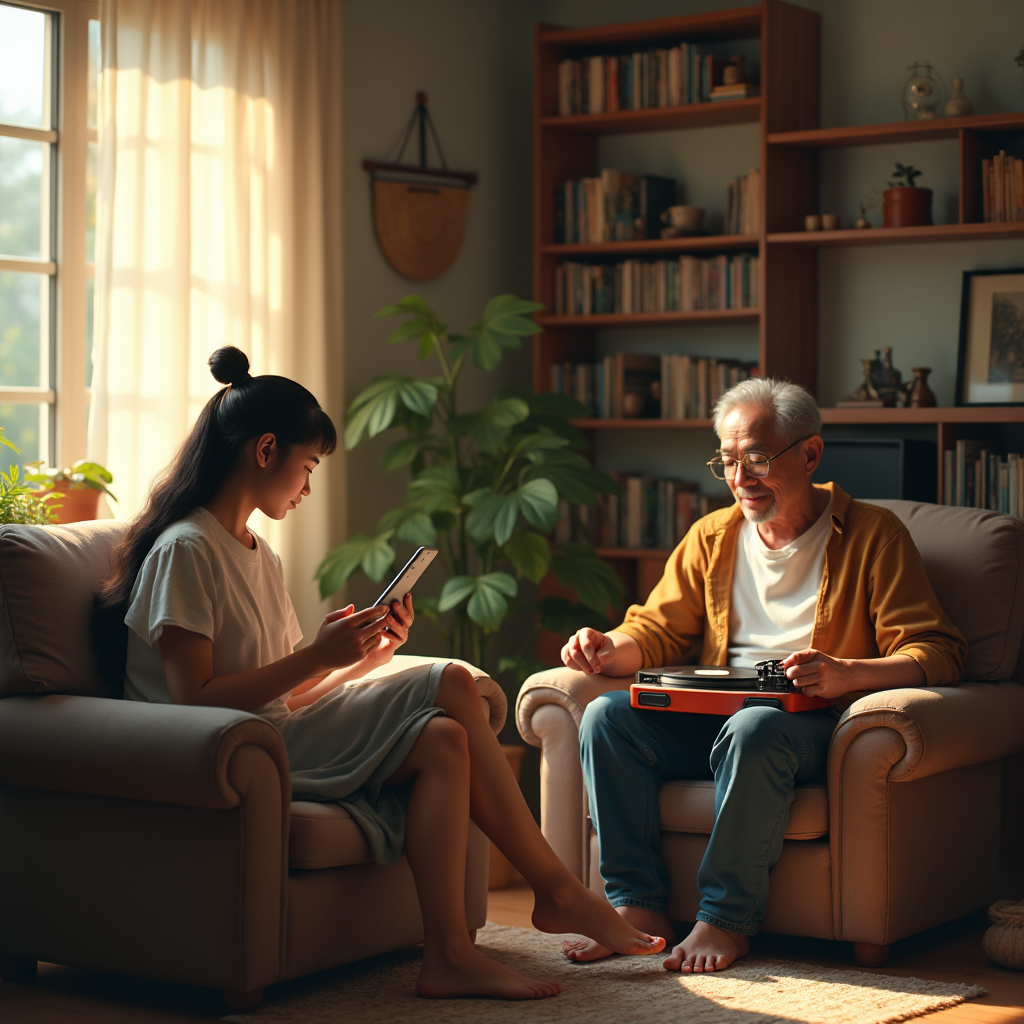
It’s weird to think about now, but I used to just… not notice. Not consciously, anyway. Like when Dad would play classic rock on Saturday mornings – songs I’d hear and kind of enjoy, humming along without really *listening*. It wasn't malicious ignorance; it was the background music of my life, woven into the fabric of what I considered normal. Now, rereading some of those lyrics feels like wading through something thick and uncomfortable, a residue clinging to the edges of memory.
The Phoebe Bridgers show changed that for me, though. Seeing her perform in a venue packed with people who *got* it—people who understood the weight of a perfectly chosen word, a carefully constructed melody – made me realize how much I hadn’t been paying attention. It wasn't just about enjoying a song; it was about understanding its place within something bigger, something that echoed through history and affected real lives. Suddenly, those Saturday morning radio blasts felt… complicated.
I remember thinking after the show, "Okay, I need to actually *listen*." And listening involved hearing things I’d previously filtered out. The casual way certain cultures are caricatured in popular songs has always been there, but it took that moment of connection with a wider audience for me to truly register the damage. It wasn't about some grand political statement; it was about realizing that even something as seemingly innocuous as a pop song could perpetuate harm.
The thing is, those songs weren’t just invented out of thin air. They're products of a specific time and place, reflections – however distorted – of societal attitudes. My mom would try to explain things sometimes when I started questioning stuff, saying something like “That was just how it was back then.” But "how it was back then" doesn’t excuse perpetuating stereotypes, does it? It only explains the origins of a problem we have a responsibility to address now.
I've also realized how much the record labels and radio stations bear responsibility for this. They didn't invent racism, obviously, but they amplified it. They decided what got played, what became popular, and in doing so, they normalized these problematic narratives. I wonder how many artists felt pressured to conform, to write what they thought would sell, even if it meant compromising their integrity. That’s a difficult thing to grapple with - the tension between artistic expression and commercial success.
It's easy to feel overwhelmed by the sheer volume of music out there. Where do you even start? I don't think it’s about purging every song that has ever caused offense – unrealistic and, frankly, impossible. It’s about being conscious, actively challenging those ingrained assumptions, and demanding better from the artists we support. The Tumblr reblog after Phoebe Bridgers—that little rush of seeing my words reach someone new—it made me realize how much power there is in sharing perspectives and starting conversations.
My dad still doesn't quite get it. He’ll play a song on the radio, catch me grimacing, and say “Hey, that’s a classic! What’s wrong with you?” And I try to explain, carefully, patiently, that something *can* be a "classic" and still be harmful. It's not about erasing history; it’s about understanding its context and working toward a future where music reflects a more equitable and compassionate world.
This isn’t about being “woke” or policing artistic expression. It’s about acknowledging that our entertainment choices have consequences, and that we all have a role to play in shaping the cultural landscape. Maybe if I had started really listening sooner, maybe I could have contributed to something different back then. But now, I can at least try to be part of the solution, one careful listen – one written word – at a time.