Listening Matters: A Classroom Reflection
Okay. Look, I’ve spent a good chunk of my life – Room 214, you know? – just watching. Watching kids wrestle with things, watching parents trying to figure it...

Okay.
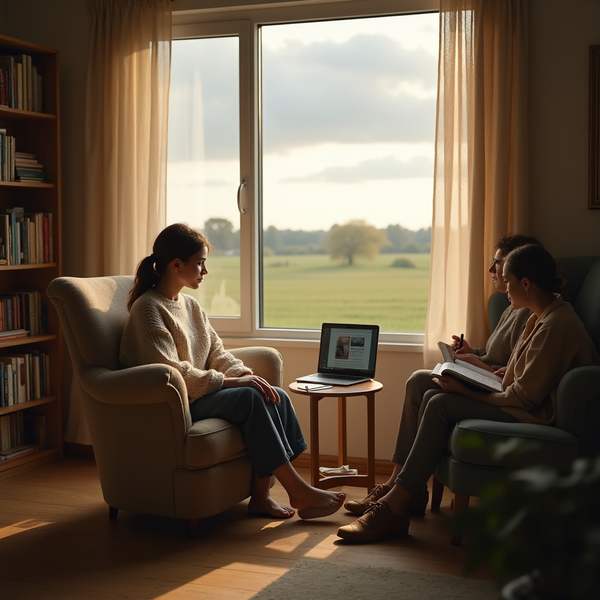
Look, I’ve spent a good chunk of my life – Room 214, you know? – just watching. Watching kids wrestle with things, watching parents trying to figure it out, watching the whole mess of life spill into the classroom. And let me tell you, the biggest problem isn’t always the curriculum. It’s not even the tests, though those are a headache too. It’s how we *talk* about things. How we actually *listen*.
It's funny, you know? You can spend all this time lecturing about empathy, about understanding perspectives, about just *hearing* someone out. But then you walk into a room and everyone’s just waiting for their turn to talk, to explain why they’re right, to tell you *their* story. And nobody’s really hearing the other person. It’s like a broken record, bouncing back and forth, never getting anywhere.
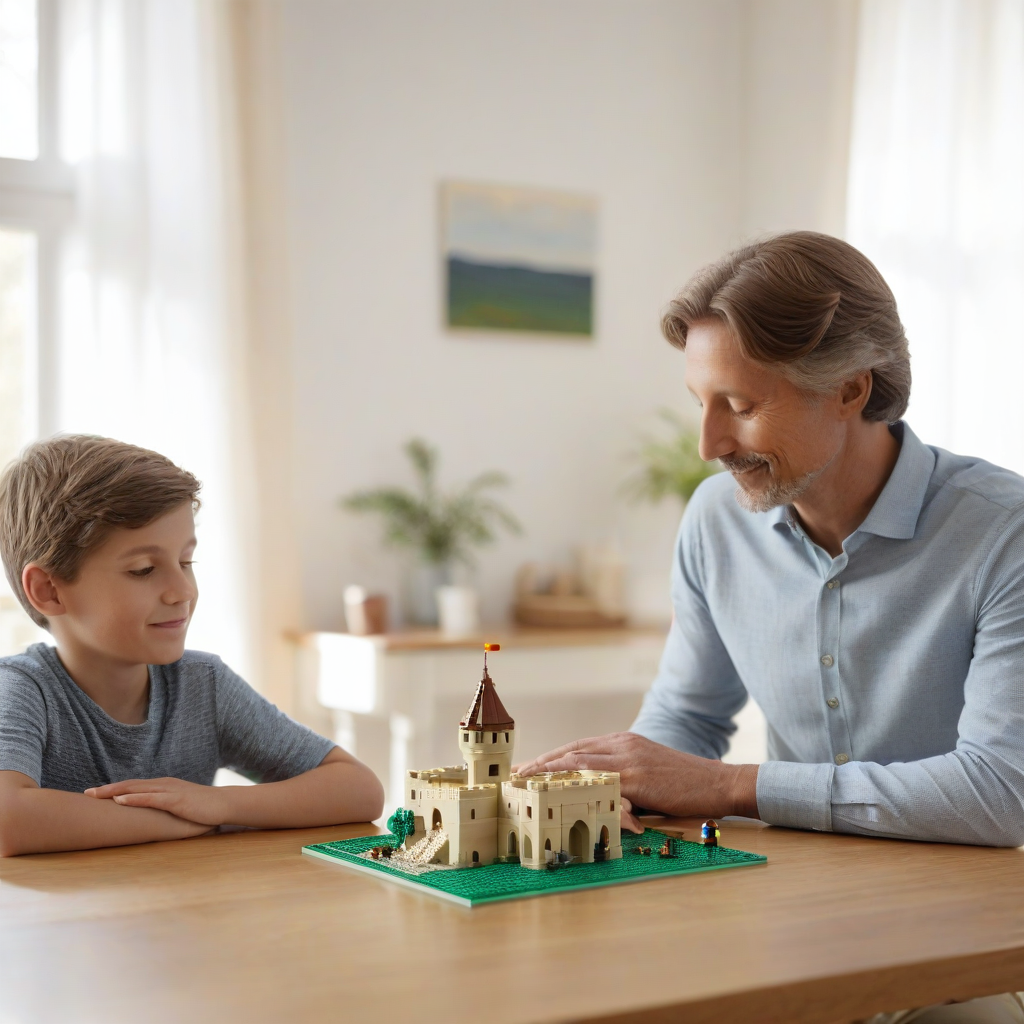
I started thinking about this a while back, when little Mateo came in with this huge, furious glare. He’d apparently knocked over Sarah’s meticulously constructed Lego castle – the one she’d been building for, like, a whole afternoon. The whole thing spiraled. Mateo yelling, Sarah crying, me trying to mediate. It was a mess.
And it hit me – we weren’t talking about *what* happened. We weren't really discussing *why* it happened. We were just stuck in the fallout. Sarah was convinced Mateo did it on purpose. Mateo was convinced Sarah was being dramatic. And I was just standing there, desperately trying to defuse a situation that wasn’t about the Lego castle at all.
So, I started trying something different. Instead of jumping straight to "who did what," I started asking questions. Simple questions. “Okay, Mateo, what was going through your head when you were building?” “Sarah, what were you hoping to build?” Just trying to get them to articulate the *feeling* behind the action. It’s not about assigning blame, you see. It’s about getting to the root of the frustration, the disappointment, the whatever-it-is.
The trick is to create a space where people actually *want* to share. A space where you're genuinely curious, not judging. It's about slowing down. Seriously slowing down. Because in the rush of a classroom, in the rush of life, people don't often take the time to just… be heard.
And you know what? It changes everything. When you actually get someone to talk about what’s bothering them, it doesn’t matter so much *what* the problem is. Maybe it’s the Lego castle. Maybe it's something completely different. But once you’ve acknowledged the feeling, you’ve taken the first step toward resolving it. It’s about building trust, one hesitant sentence at a time.
It’s not magic, I guess. It’s just… paying attention. Paying attention to the way kids talk, the way they react, the way they try to make sense of the world. And sometimes, the answers you find are right there in Room 214, waiting to be heard.