Listening: The Language of Little Ones
Sometimes, I think about Room 214 and how much I’ve learned just by being there. The kids—they don’t always say what they mean, or even know *what* they mean...

Sometimes, I think about Room 214 and how much I’ve learned just by being there. The kids—they don’t always say what they mean, or even know *what* they mean when they're upset. A thump on the floor, a slammed door, a quiet corner huddled with a stuffed animal – those are their signals. And figuring out what those signals *are*, that’s part of our job as adults, isn’t it? Not just teachers, but parents too.
I had a conversation last week with my aunt Carol down in Delaware County. She was talking about my cousins growing up and how they used to get upset over the smallest things – lost toys, not getting the right flavor popsicle. “You just gotta be tough,” she said, which is classic Aunt Carol. But it got me thinking… is that really what kids need? Does a little bit of sternness really help when someone's feeling genuinely overwhelmed? I don’t think so.
It's like Sunday gravy. My grandmother started teaching me how to make it years ago – a slow, simmering process that builds flavor over hours. You can rush it, sure, but you lose something. It becomes thin and bitter. Kids are the same way; their feelings need time to simmer, too. Pushing them just makes things worse—the sauce splatters, so to speak.
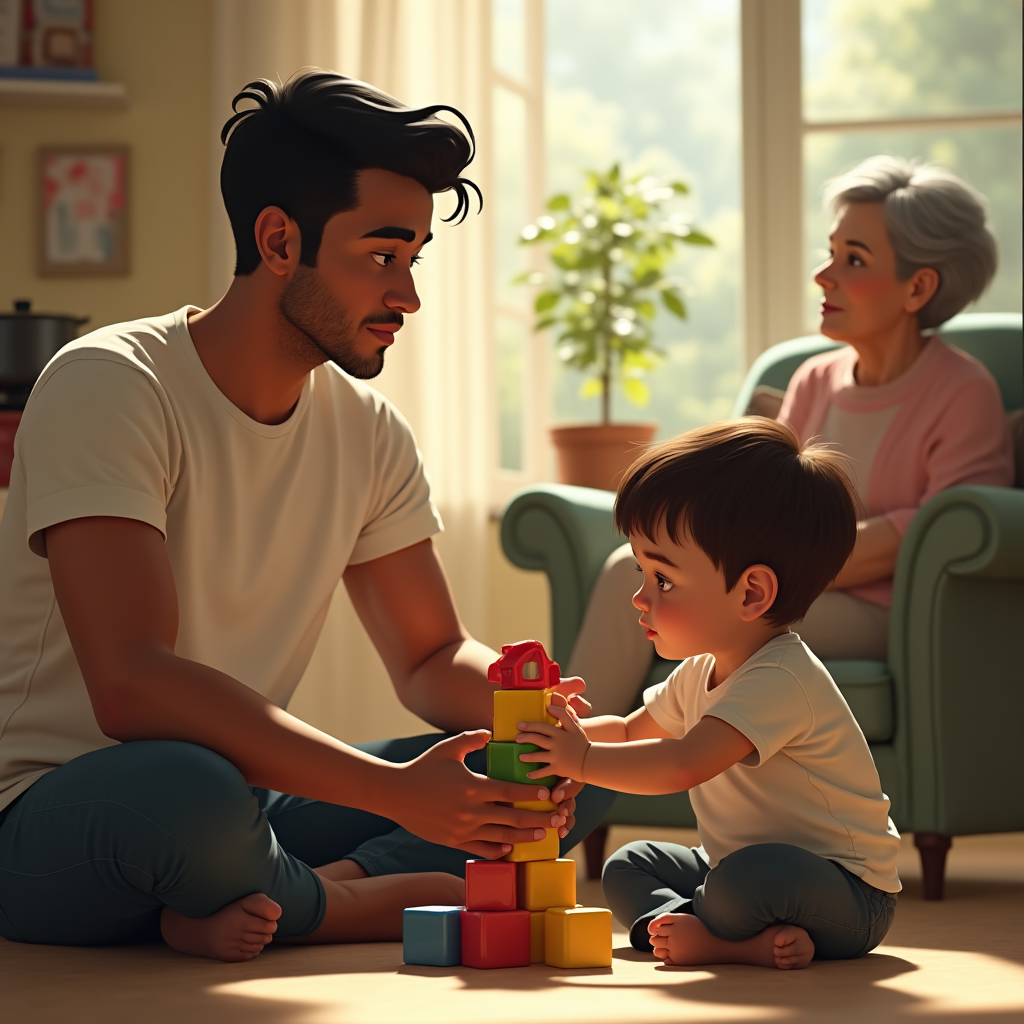
My nephew Leo is four now. He's a whirlwind of energy and opinions, and sometimes his emotions hit him like a brick wall. Just yesterday, he was building a tower out of blocks when it collapsed. I braced myself, knowing what was coming. Instead of yelling or hitting—which have both happened before—he just started to cry, silently at first, then with those big, wet sniffles that break your heart. He didn’t need me to tell him he was okay; he needed me to *see* him.
I knelt down next to him and started rebuilding the tower alongside him. We didn’t say much—just stacking blocks and making little grunting noises of concentration. When it was done, he looked up at me with these huge, watery eyes, and that felt…right. That’s what connection looks like, I realized. Not fixing things; just *being* there while they're being felt.
It isn’t always easy though. My own parents didn't have a lot of tools for dealing with feelings when I was growing up. It meant learning to navigate those moments mostly on my own. Sometimes that worked out fine, sometimes... it didn’t. Now I try to offer kids—and even adults—a little bit of what I wish I'd had back then: someone who just *gets* it.
And getting it isn't about giving advice or telling them how they "should" feel. It's about helping them find the words for those feelings in the first place. “You seem frustrated that your tower fell down,” is a start. Then, offering space to process: “It’s okay to be upset.” Even if it feels silly saying it—especially when you're knee-deep in spilled juice and glitter – those little bits of validation can make all the difference.
This summer I've been cooking a lot - slow-cooking, patient work with simple ingredients. It's reminded me that some things take time, require space to develop, just like feelings. We don’t have to “fix” our kids’ sadness or anger; we just need to hold the pot steady and let it simmer. Room 214 has taught me that much at least.