Love's Algorithm The Logic of Connection
It’s weird, isn't it, how much we romanticize romance? Like, there's this whole language built around it – destiny, soulmates, that feeling when you *just kn...

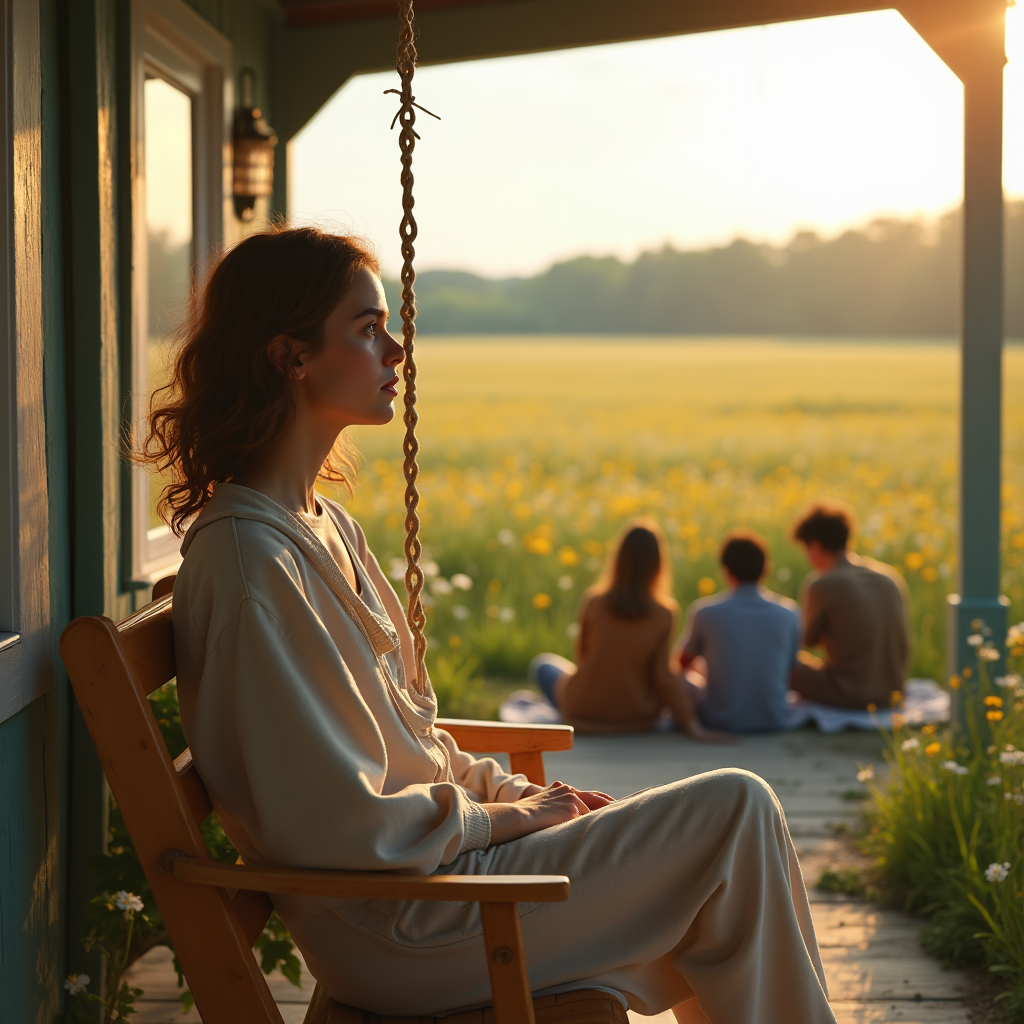
It’s weird, isn't it, how much we romanticize romance? Like, there's this whole language built around it – destiny, soulmates, that feeling when you *just know* – and it all feels so intensely personal, so impossibly unique to each individual. I always thought that finding someone was… more. More mysterious, more magical, less… algorithmic. But a recent study I read suggested something different, something that made the whole idea feel unexpectedly, almost disappointingly, logical.
I remember my dad, years ago, telling me about how he picked a college. He said he made a list of pros and cons, assigned numbers to them, and went from there. I thought he was being totally unromantic. It felt like a business transaction, not a life-altering decision. And I couldn't imagine applying that kind of logic to something as important as… well, *this*. But maybe he was onto something.
The study basically argued that choosing a partner isn't some ethereal process guided by intuition, but a series of calculations we do without even realizing it. We weigh qualities, compare them to what we already like, and unconsciously build a sort of average of what we find acceptable and even desirable. It's the same process we use to pick a coffee shop, or a song, or even a sweater at the mall. We're constantly making these little judgments, adjusting our expectations.
It makes me think about the National show I went to a couple of years back. I remember being surrounded by people, all feeling the same thing, drawn together by a shared appreciation for music. But even then, it felt like everyone was subtly assessing each other, measuring against some unspoken standard. Were they *cool* enough? Did they *get* it? It wasn't necessarily about romance, but it illustrated how we’re always categorizing, filtering.
That Phoebe Bridgers show in April… that was different. Seeing my blog’s traffic spike after someone reblogged a piece I wrote – people I’d never met, in places I’d never been – it clicked. The writing could go somewhere beyond my small town, beyond my immediate circle. It felt less like broadcasting into a void and more like sending a message in a bottle, hoping someone would understand. And maybe, in a way, that's what attraction is too: sending out a signal and hoping it resonates.
It's unsettling, I admit. To think that the intense longing and butterflies I’ve felt, the way I’ve obsessed over certain people, could be broken down into a series of mental checklists. It feels like demystifying something sacred. But it also provides a kind of comfort. It’s a reminder that even those powerful feelings are part of the larger, understandable framework of human behavior.
Of course, the study wasn’t perfect. It was difficult to account for the sheer complexity of human interaction, the nuances of personality and shared history. It didn’t explain, for example, why I’m still single. It didn’t tell me what I was *missing* from my “average.” It just offered a lens through which to view a deeply personal experience. And it’s hard to reconcile that with the inherent irrationality of the human heart.
Maybe the magic isn't gone. Maybe it just lies in the fact that we *don't* always know the formulas. Maybe it’s in the moments when the calculations fail, when we choose someone who defies logic, who throws the average completely out of whack. Because even if our choices are rooted in calculations, it’s the unpredictable variables – the laughter, the shared silences, the unexpected kindness – that make them truly worthwhile.