Make Memories Stick: Brain Hacks Revealed
Alright, let’s get into this. This ain't about dusty textbooks; this is about *feeling* it. About building something that sticks with you, something that ac...

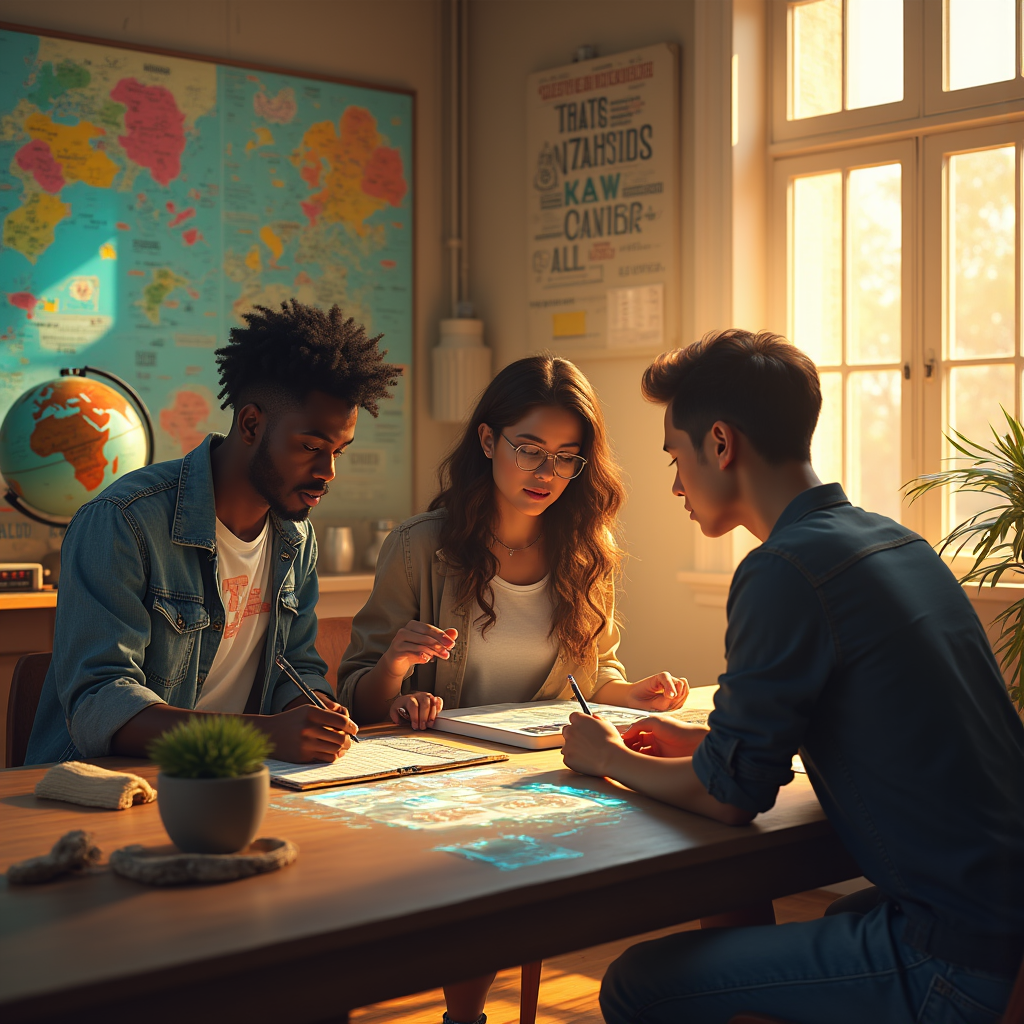
Alright, let’s get into this. This ain't about dusty textbooks; this is about *feeling* it. About building something that sticks with you, something that actually resonates. We talkin’ about memory – not just recalling dates and names, but really solidifying experiences so they hit different. It starts with the basics, honestly. You gotta be intentional.
First things first: repetition ain't your grandma's rote memorization. I’m talking spaced repetition, fam. Look, our brains are wired for novelty, right? If you just drill something over and over, it’ll fade faster than a summer mixtape. We need to trick it. Break the information down, revisit it at increasing intervals – like a week, then two weeks, then a month. That's how the muscle grows, see? It’s about strengthening the connection.
Then there's the storytelling angle. Don’t just recite facts; build narratives around ‘em. Connect those details to something *real* for you. If you’re learning about the Civil Rights Movement, don’t just read names and dates. Think about the people involved, the struggle, the hope. Make it your story – the more personal connection you create, the tighter that knowledge holds. It's like adding flavor to a dish - you gotta have that spice, that soul.
Don’t underestimate the power of association, either. Link new information with things you already know well. Create vivid mental images – the brighter and stranger, the better. Seriously, your brain will thank you for this one. Like, if you're learning about ancient Rome, picture Caesar rocking a gold chain, chilling by the Forum, arguing about taxes. Ridiculous, but it’ll stick.
And this is crucial: engage *all* your senses. Don’t just read about something; imagine hearing the sounds, feeling the textures, smelling the smells. If you're studying astronomy, close your eyes and picture the vastness of space, the silence, the sheer weight of it all. The more layers you build, the richer the memory becomes.
Now, let’s talk about movement – this is where a lot of people mess up. Static sitting is a recipe for brain fog. Get up! Walk around while you're studying. Even just shifting your posture can make a difference. Movement gets blood flowing to the brain, which means better focus and improved memory consolidation. It's like giving your brain a little workout.
Finally – and this is *key* – sleep. Seriously. Your brain doesn’t process information during sleep; it actively strengthens connections between neurons. If you're cramming all night before an exam, you’re actually hurting yourself. Get those Zzz’s – that’s where the real magic happens. It’s like letting your subconscious do the heavy lifting.
This whole process isn't about becoming a human encyclopedia; it’s about developing a better relationship with your own mind. It’s about learning how to actively build and retain information, not passively receiving it.
And remember: consistency is king. Don’t expect overnight results. Building strong memories takes time, effort, and a little bit of creativity. Stay committed, stay curious, and keep building – you’ll be amazed at what your brain can do. Let's get to work, ya heard?