Memory: Connection, Stories, and Recognition
Okay. It’s funny, isn't it? People think memory is some kind of a fancy trick, like you can just…download information into your brain. Like a computer. I don...

Okay.
It’s funny, isn't it? People think memory is some kind of a fancy trick, like you can just…download information into your brain. Like a computer. I don’t see it that way, not really. Especially not after spending my days with eight-year-olds trying to remember where they put their lunchboxes and whether they colored in the lines on their worksheets. It's more about connection, you know? About finding ways to stick something – a feeling, an idea, a name – to something else already there.
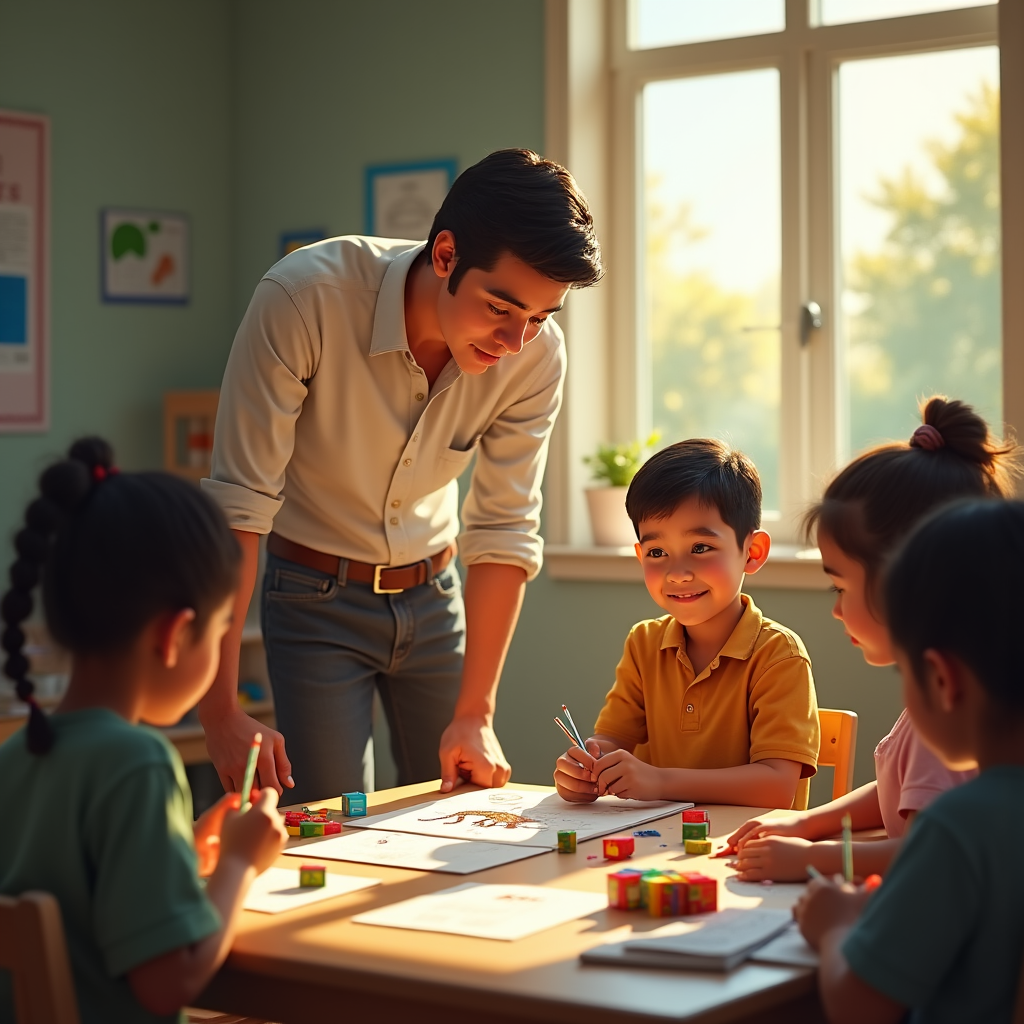
I’ve noticed this with my students, mostly. Little Mateo keeps forgetting his brother’s name, even though he talks about him all the time. I asked him, “Mateo, what does Leo *do*?” And he just started flapping his hands and saying, "He loves dinosaurs! Rawr!" Suddenly, Leo wasn’t just a name; he was this kid who roared like a T-Rex. That's how it works, I think. You build a little story around it.
It’s not about complicated techniques either, though some folks write about those. Forget the fancy mnemonic devices and color-coded flashcards. Sometimes, the simplest thing is the most effective. I was talking to Mrs. Rodriguez last week – she volunteers in my classroom – and she told me about how her grandmother used to tell her stories while making tortillas. Each tortilla became a part of the tale, a visual cue for the next bit of the story.
The trick, I think, is recognizing that our brains aren’t built for perfect recall. They're built for *recognition*. And we can use that to our advantage. It’s like when you see a familiar face in a crowd; it's not because you consciously remembered their name, but because they triggered something – a shared memory, a conversation you had once—something that clicked.
I was thinking about this the other day while Mr. Johnson, one of my students, was struggling to remember his spelling words. He kept erasing them and starting over, getting frustrated. I just told him, "Okay, let's try picturing it. Instead of just *seeing* ‘cat,’ picture a little kitten batting at a ball of yarn.” He got it right away.
It’s about making the information relevant. If you can connect something new to something you already understand—something that matters to you—it has a much better chance of sticking. You know, like when we talk about the history lessons. It's not enough just to memorize dates and names. We need to think about *why* things happened, *who* was involved, and what it *means*.
And don’t underestimate the power of repetition, but not the same kind of repetition you might think. It's not drilling yourself over and over again until you're exhausted. It’s revisiting those connections – that kitten batting at yarn, or Leo roaring—in different ways, in different contexts. A little bit here, a little bit there, woven into your day.
Ultimately, it comes down to noticing the patterns of how things get remembered, and understanding that memory isn't some isolated skill. It’s really about attention, and relating. And maybe… just maybe… spending a little more time in room 214.