Moments of Kindness, Unexpected Connections
Sometimes, I think about the woman who dropped her groceries in front of the coffee shop last week. Not the groceries themselves – a sad scattering of bruise...

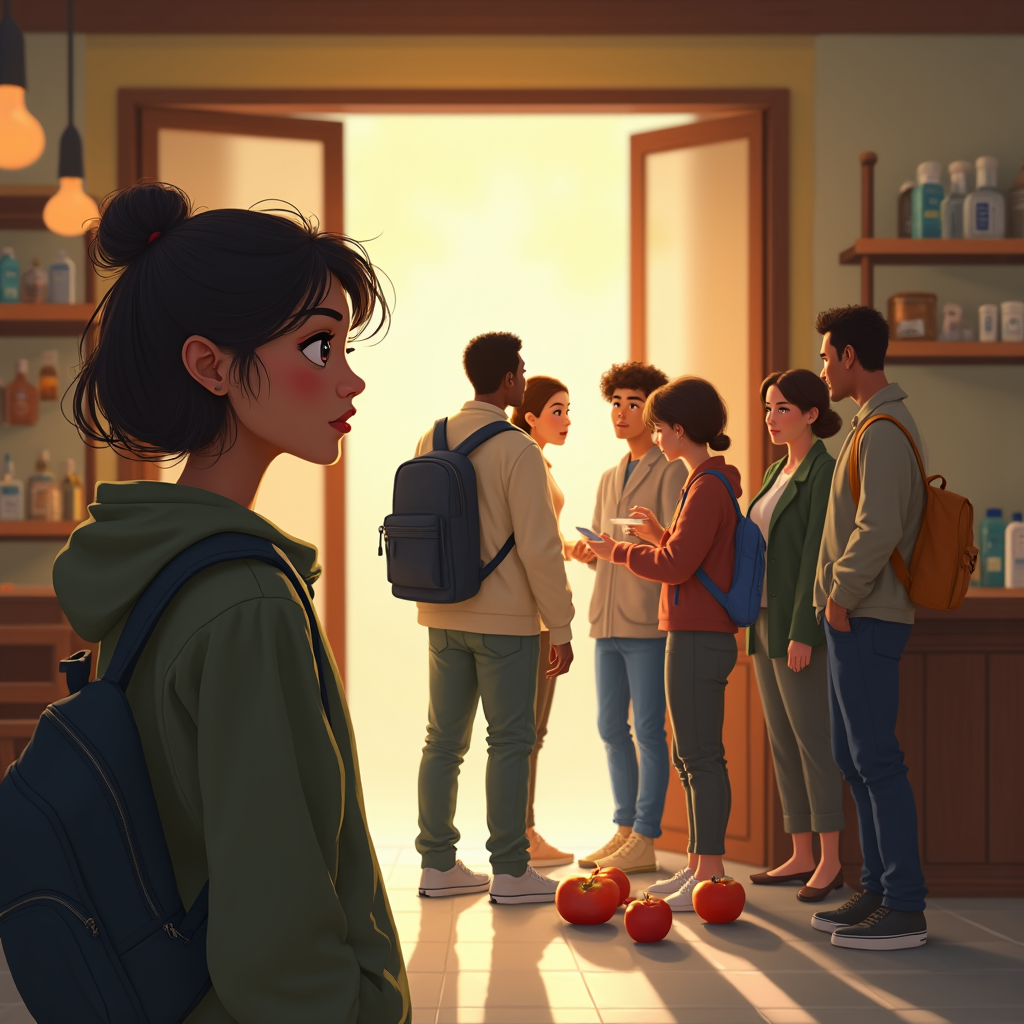
Sometimes, I think about the woman who dropped her groceries in front of the coffee shop last week. Not the groceries themselves – a sad scattering of bruised apples and a carton of something that looked vaguely dairy-based – but the look on her face. It wasn't despair, exactly, though there was a flicker of that. Mostly, it was just… overwhelm. And then, almost immediately, a dozen people stopped to help.
It struck me as intensely beautiful, this almost automatic surge of kindness. It felt… improbable. Why would strangers, rushing along their own separate errands, collectively pause to gather scattered fruit? There’s a cynical part of me that could probably come up with a bunch of explanations – people wanting to look good, wanting to be seen as helpful, subtly hoping for reciprocal assistance later. But that feels… unsatisfying. It doesn’t account for the genuine, unprompted offers of help, the shared smiles.
I used to think I understood altruism in a purely intellectual way. Something about evolutionary drives – reciprocal altruism, kin selection, the “warm glow” effect – seemed logical enough, if a little sterile. It felt like explaining the beauty of a sunset by breaking it down into wavelengths and atmospheric conditions. True, that’s *what* it is, but it misses the point, doesn't it?
There’s this feeling I get sometimes, watching people interact. I had it watching my roommate, Sarah, volunteer at the animal shelter last year. She wasn’t expecting anything, just… wanting to do something. The way she gently stroked a scared kitten, her face alight with a quiet tenderness. It wasn’t performative; there was no one filming or cheering. It just *was*. It’s a strange thing to witness, this genuine desire to alleviate suffering.
My blog, the one I’ve been sporadically updating since sophomore year, feels inadequate trying to capture that. I wrote something after Jacobs Pavilion last month, something that felt like a real breakthrough, a small step towards figuring out how to articulate these observations. Twenty-seven people read it, which, statistically, isn't a lot. But the fact that anyone read it at all… well, it reinforced a quiet hope that maybe, just maybe, these questions are worth exploring.
I think a lot of it boils down to empathy, and I’m not sure empathy and modern life are always in alignment. The constant bombardment of information, the echo chambers online, the increasing tendency to categorize and demonize those who hold different beliefs… it all seems to chip away at our ability to genuinely connect with others. It's easy to dismiss someone you’ve never met as "other," as someone who deserves less consideration.
There's a passage I read once about how stories are crucial. Not just entertainment, but vital to understanding. They build bridges. They create shared experience. They are, in a way, training exercises for empathy. Thinking about the woman with the spilled groceries, I realized that seeing her vulnerability, even briefly, reminded me of my own. It reminded me of the universal experience of feeling overwhelmed, of needing a little help.
Maybe the willingness to offer that help, that small act of kindness, is a rebellion against the forces that try to divide us. Maybe it's a reminder that, despite all the noise and negativity, there's still a deep well of compassion within us, just waiting to be tapped. It’s a quiet hope, certainly, but right now, that's enough.