Navigating Life's Currents: Lessons Learned
It’s a funny thing, watching kids grow up, isn’t it? You spend so much time trying to get them ready for everything – reading, writing, fractions, soccer pra...

It’s a funny thing, watching kids grow up, isn’t it? You spend so much time trying to get them ready for everything – reading, writing, fractions, soccer practice, how to ask an adult for help when they’re lost in Target – and then you realize there’s this whole other landscape ahead of them. One that's less about knowing the rules and more about… navigating a current. A really complicated current made up of student loans and rent payments and the vague feeling that maybe, just *maybe*, things should be easier than they are.
I saw it with my cousin Marco last year. Fresh out of school, bright kid – always had his head in a book. Got a degree he’s passionate about, too. But then the real world hit, and suddenly he was juggling two part-time jobs just to keep his apartment. He calls me sometimes, not asking for anything, just… venting. It's a low hum of anxiety that seems to vibrate through the phone line. And you feel helpless, because what do you say? "Just budget better?" That doesn’t really cut it when wages haven't kept pace with everything else.
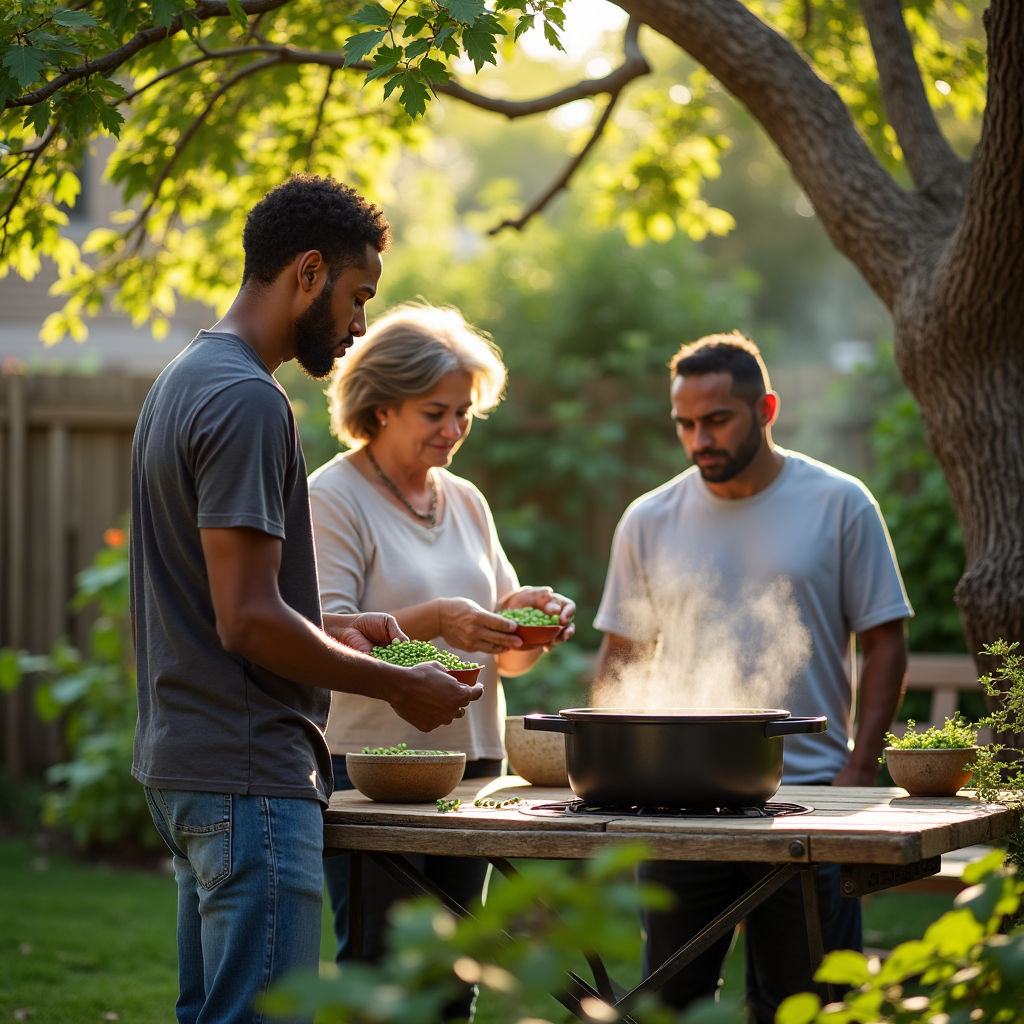
My grandmother used to make Sunday gravy – takes all day, simmering in a pot big enough to bathe a small child. The smell alone could pull you out of the darkest moods. She always said cooking was about more than just food; it was about teaching, about passing down a skill, a tradition. I've been trying to get back into that project this summer, mostly because I needed something solid and predictable in my life after a year of school. Something tangible you can create with your own hands.
It made me think about what *I* should be teaching those kids in room 214. It’s not just about knowing the difference between addition and subtraction; it's about problem-solving, about resilience. About understanding that failure isn’t a reflection of who you are, but an opportunity to learn something new. But I also started thinking about money. Not in terms of balancing equations, but figuring out how to actually *manage* it.
You see these kids – smart, capable – and you want them to have everything they need. And sometimes that means stepping in, right? My parents helped me when I first moved back from school, just enough to get on my feet. It felt good at the time. But is it actually setting them up for success or are we just postponing the inevitable? Creating a cycle where they feel dependent and unprepared?
I talked to my mom about it the other day while I was helping her shell peas in the backyard. She said, “You can’t protect them from everything, you know? Sometimes they have to learn the hard way.” It felt harsh, maybe. But she wasn't wrong. There’s a certain grit that comes from figuring things out on your own, even if it’s messy and uncomfortable.
It’s not about denying support entirely – my family helps each other, always has. It's about finding the balance between giving them a safety net and pushing them to learn how to build their own boats. Maybe that means having conversations, not just lecturing. Talking openly about the choices we made, the mistakes we learned from. Showing them, instead of just telling them, what it looks like to be responsible with money – balancing a checkbook (do kids even know what those are?), understanding interest rates, saving for something you really want.
I'm not an expert. I’m just trying to figure things out myself, one simmering pot of gravy at a time. And hoping that somewhere along the way, I can equip those kids in room 214 with a little more than just reading and writing – a little bit of practical knowledge they can carry with them when they finally navigate their own currents.