
Productivity’s Price: The Misery Factor
America’s productivity boom may have an unlikely health hazard – it’s making us miserable. The relentless pursuit of “doing more” has become a national obses...

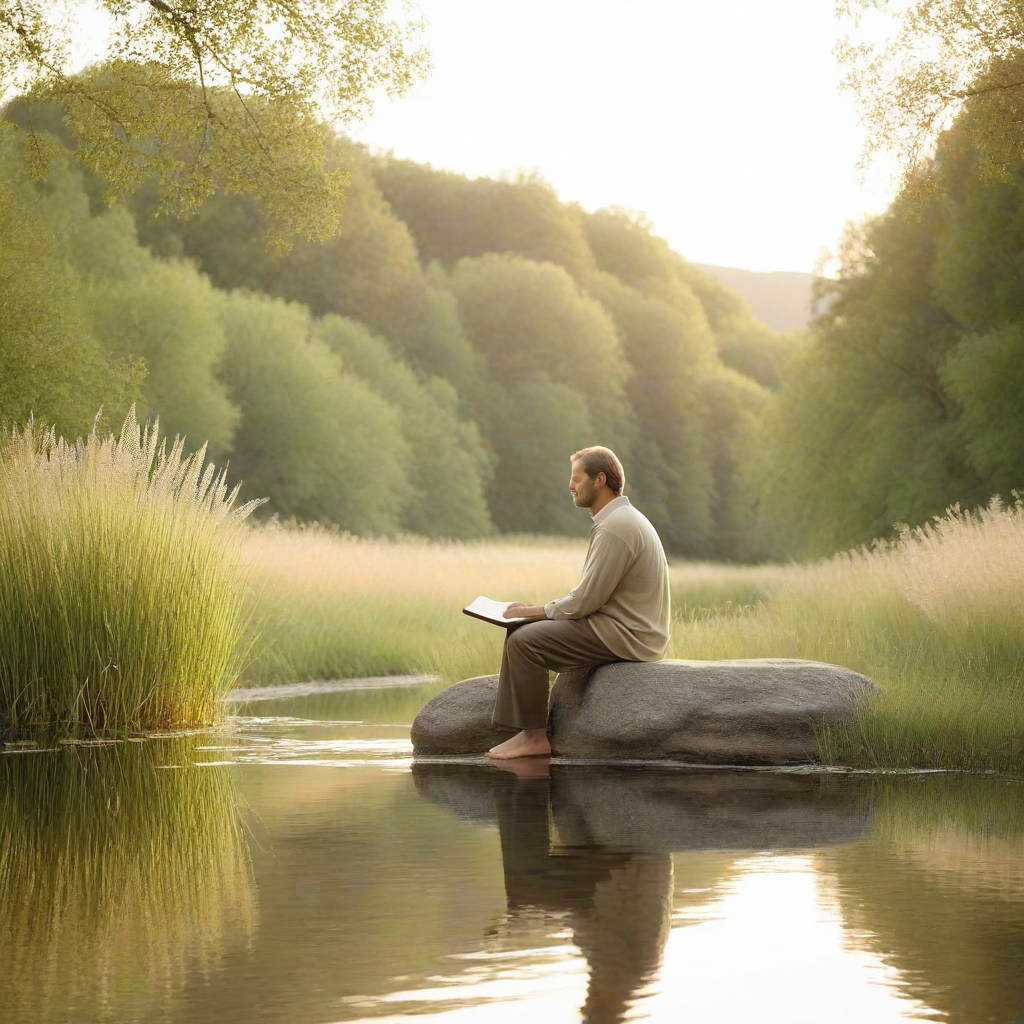
America’s productivity boom may have an unlikely health hazard – it’s making us miserable.
The relentless pursuit of “doing more” has become a national obsession, fueled by the rise of hustle culture and the constant barrage of social media showcasing picture-perfect, hyper-productive lives. We’re told to optimize everything – our mornings, our work, our weekends – all in the name of self-improvement and, frankly, appearing successful. But what happens when this relentless drive turns into a suffocating pressure?
It’s not just about burnout, although that’s certainly a significant part of it. Burnout is a symptom, a visible sign of a deeper, more insidious problem: we’ve forgotten how to simply *be*. We’re so focused on achieving, on ticking off boxes, on constantly proving our worth that we’ve lost touch with the quiet joy of just existing.
I’ve been noticing it everywhere, really. My roommate’s frantic energy, the way people at work talk about their “systems” and “workflows” as if they’re solving existential crises. Even I, myself, have fallen prey to the trap – spending evenings meticulously planning my schedule, feeling guilty when I don’t stick to it, and then beating myself up for not being “productive.”
It's exhausting, honestly. And it's not actually making us happier or more fulfilled. It's creating this constant state of anxiety, this feeling that we’re never quite good enough, that we're always falling behind. We're trading genuine contentment for the illusion of accomplishment.
The data, surprisingly, seems to support this. Studies are increasingly showing a correlation between high levels of productivity and increased levels of anxiety and depression. It’s counterintuitive, I know, but the human mind isn’t designed to sustain this level of constant pressure.
Maybe the key isn’t to do less, necessarily. Maybe it’s to reframe our relationship with productivity. To recognize that rest and relaxation aren't luxuries, they're necessities. To allow ourselves to be unproductive, to simply *be* without judgment or expectation. To rediscover the value of boredom, of quiet reflection, of doing things purely for the joy of it.
It's a radical idea, I suppose, in a culture that equates worth with output. But I think it's an idea we desperately need to embrace – a way to reclaim our lives before we’re completely consumed by the relentless pursuit of more.