Quiet Moments, Shifting Perspectives & Letting Go
The quiet is a peculiar sort of comfort, isn’t it? Not the absence of sound, exactly—there’s always the ticking of the grandfather clock downstairs, the rust...

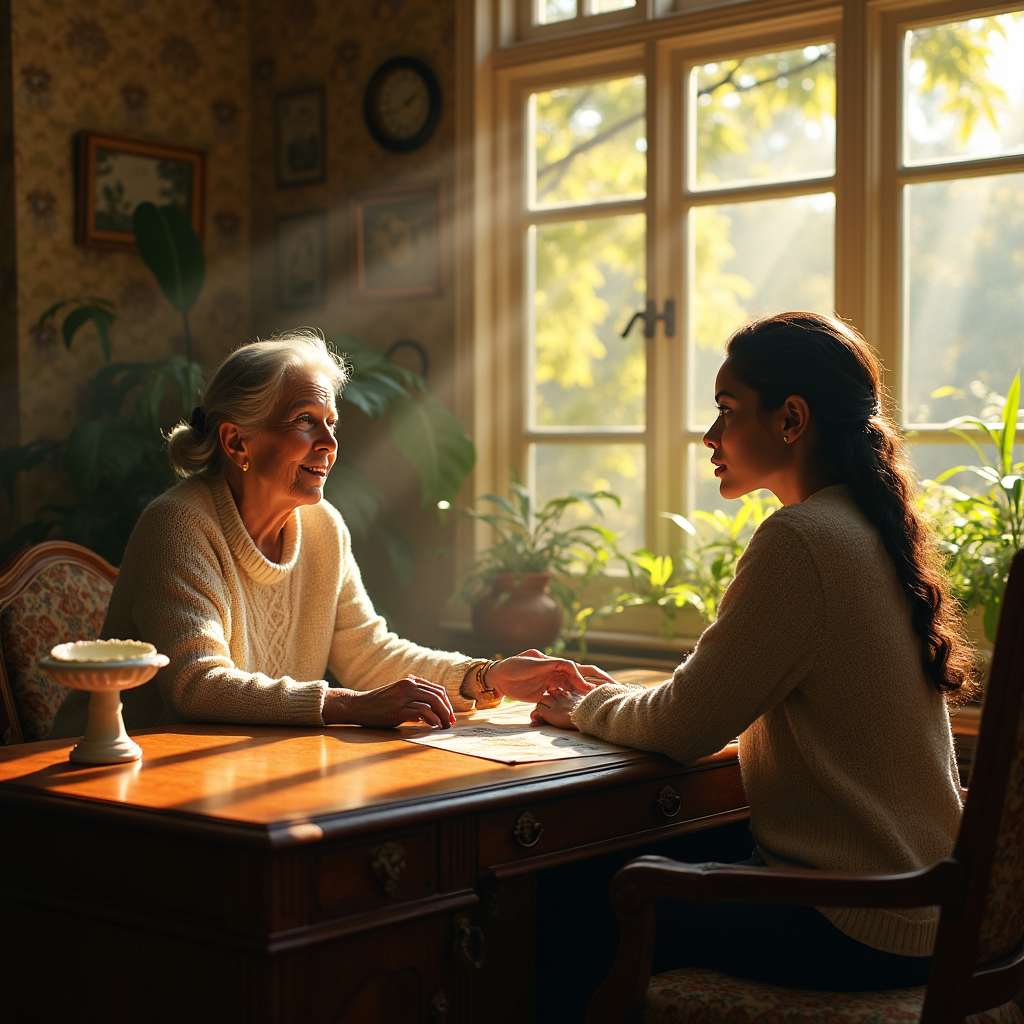
The quiet is a peculiar sort of comfort, isn’t it? Not the absence of sound, exactly—there’s always the ticking of the grandfather clock downstairs, the rustle of leaves outside my window—but an absence of *demand*. For thirty-four years, every morning had been the same insistent pull – a need to be somewhere, to *do* something. Now? Just this house, and the sun shifting across the floorboards. It’s unsettling at first, like standing on the edge of a vast ocean you don't know how to navigate.
I find myself thinking about Cerberus, that guardian dog in Hades. He doesn’t attack; he just… waits. A symbol of transition, really – guarding what was, allowing passage to what will be. It struck me recently, while sitting with my astrology charts (a new habit, you see), how much of life is simply about holding space for change. Not forcing it, not resisting it, but observing the way things shift and settle around us like dust motes in a sunbeam.
There's a strange beauty to this state of being unmoored, a kind of liberated openness. I’ve been spending hours just… looking. At the patterns in the wood grain of my desk, at the way the light catches the water in the birdbath Phyllis insisted on planting, at the slow unfurling of ferns in the greenhouse. It feels almost foolishly simple, this attention to detail, but it’s profoundly grounding. It's a reminder that even when everything else feels uncertain, there are still small wonders to be found if you simply choose to notice them.
The “Chinese Parents” game has become an obsession, I confess. Managing the expectations, the carefully constructed hopes and anxieties—it’s exhausting, yet strangely compelling. It’s like holding a delicate china set – exquisitely beautiful, but terrifyingly fragile. One wrong move and everything shatters. I think it reveals something fundamental about my desire for control, not over external circumstances, but over the perceptions of those I care about.
It's fascinating, isn't it, how easily we can get caught up in arranging our lives to fit other people’s ideas of what they *should* be? The effort to make them happy, to steer them toward a particular path...it often feels less about genuine connection and more like meticulous choreography. I realized recently that my whole life has been an attempt to arrange chaotic china—beautiful yet unsettling.
And the scars… those old wounds never truly disappear, do they? They just settle into quieter corners of your being, influencing how you perceive things, shaping the way you respond to the world. The act of confronting them isn't about erasing them; it’s about acknowledging their presence and understanding their impact. Phyllis and I discussed it over the equinox gathering - a strange conversation across decades and experiences, but strangely comforting in its shared vulnerability.
There’s something deeply satisfying about deliberately choosing to deviate from expected patterns. I discovered that, in my attempts to mirror “Chinese Parents” behaviors, I was actually highlighting a desire for freedom—a freedom I hadn't fully recognized until now. It’s not about rebellion, really; it’s about reclaiming agency – acknowledging the conditioning and gently steering yourself toward a path that feels authentically *you*.
Perhaps the most unexpected gift of this new chapter is the realization that it's okay to simply… be. To let go of the need to constantly achieve, to control, to explain. To just sit with the quiet, observe the shifting light, and allow the possibilities – those enormous, hopeful possibilities – to unfold naturally.