Radical Healing: Listening to Young Voices
Room 214 smells like floor cleaner and a faint hint of Mrs. Rodriguez’s arroz con pollo – always a good sign. Monday mornings are tough, though. Especially w...

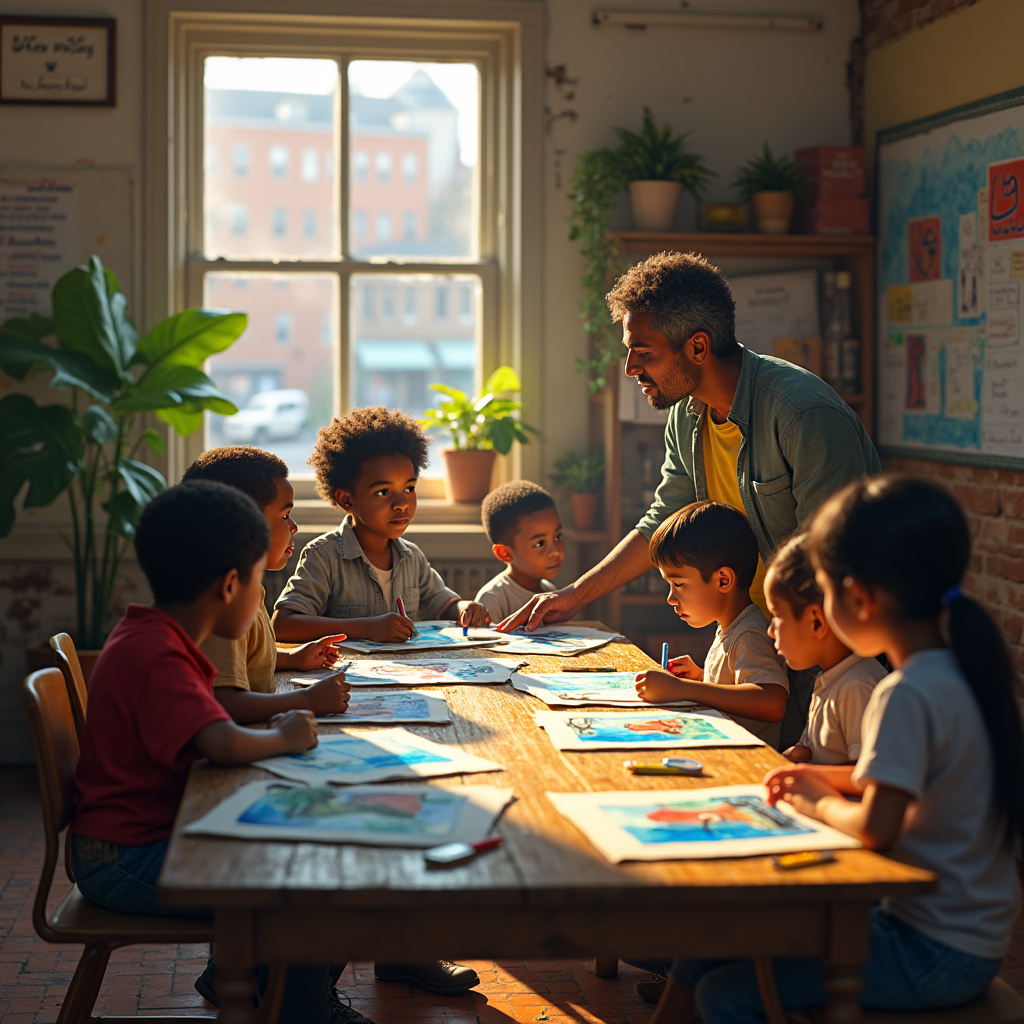
Room 214 smells like floor cleaner and a faint hint of Mrs. Rodriguez’s arroz con pollo – always a good sign. Monday mornings are tough, though. Especially when you’re trying to figure out how some kids see the world differently than you do, and that difference feels…heavy sometimes. I try not to think about it too much, honestly. It's easier just to keep moving, keep talking about fractions or historical figures, but there’s this quiet hum in the room, a low thrum of what hasn’t been said.
I was reading something last night – a whole bunch of Boston folks talked about “radical healing.” Sounds kind of… intense, doesn't it? It basically means not just saying "don’t be racist," but actually helping kids understand *why* racism exists and how it messes with someone’s head. It's about finding the strength in their stories, the resilience that gets passed down through generations, instead of always focusing on the damage. It’s a lot like what my abuela used to say – "The wounds you carry make you stronger, mijo."
What struck me most was this idea of building spaces where kids can actually *talk* about it. Not just in a polite way, but with real honesty and vulnerability. Like, instead of lecturing about the Civil Rights Movement, maybe we could have those guys from the Debate League – the Resolved Program – leading a discussion about what it’s really like to be Black or Latino in this city. Letting them tell their own stories, shaping their own narratives. It’s not about telling kids they're victims; it's about giving them the tools to understand and resist.
It made me think about Miguel, a quiet kid who sits in the back row. He rarely speaks up, but I noticed he draws these incredible portraits of his grandfather – a Puerto Rican fisherman. If we could create a space where he felt comfortable sharing that art, where it wasn’t just dismissed as “a drawing,” maybe we could tap into something powerful within him. Maybe that's what radical healing is really about—seeing the value in things people already know and care deeply about.
I started thinking about how much I tell my students to "think critically." But sometimes, critical thinking can feel like a punch in the gut if you don’t have the language to explain *why* something feels wrong. We could connect what they're learning – about systems of power and inequality – directly to their lived experiences. Instead of abstract concepts, it becomes real for them.
It's not always easy. There are times when I feel like I'm just swimming upstream, trying to change a few minds in a sea of assumptions. But the thing is, these kids *know*. They see things that we don’t, they feel things that we can’t fully grasp. Their perspectives are vital.
I think about Mrs. Rodriguez and her arroz con pollo - she always says food is connection, it's stories. Maybe radical healing isn’t a fancy program or some complicated theory. Maybe it’s simply creating moments of shared humanity – a conversation over lunch, a collaborative art project celebrating their heritage, a safe space where they can be exactly who they are without fear of judgment.
It boils down to this: these kids aren't looking for someone to save them from the world; they're looking for someone to stand *with* them as they navigate it. And sometimes, standing with means just listening – really listening – and letting their voices be heard. That’s the kind of hope I want to build in Room 214, one story at a time.