Reading: Discovery Not Duty
Sometimes, I feel like I'm battling a tide. You see these parents—good people, really—worried sick about their kids and reading. Summer’s over, routines are ...

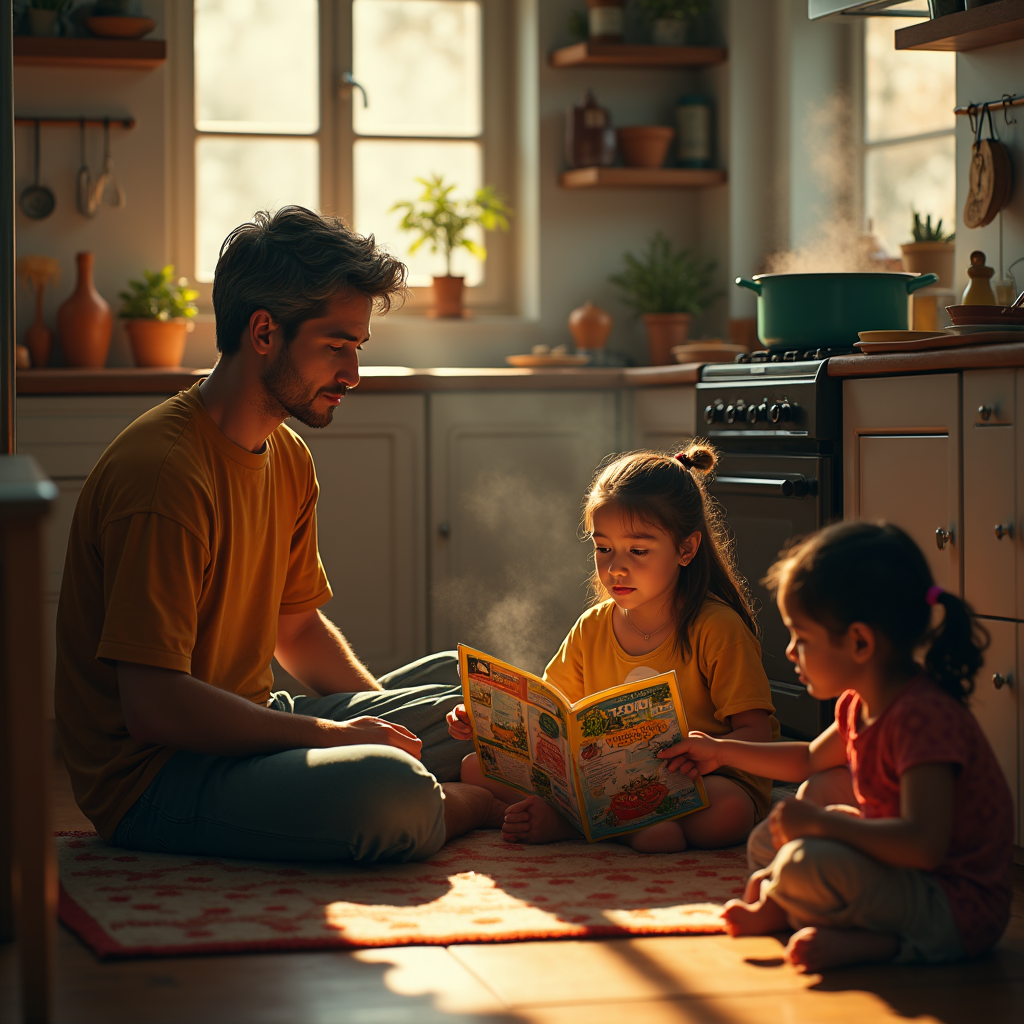
Sometimes, I feel like I'm battling a tide. You see these parents—good people, really—worried sick about their kids and reading. Summer’s over, routines are tightening up again, and suddenly they're asking, "How do I *make* him read?" It always feels…wrong, that phrasing. Like you can make someone eat a vegetable, or put on socks. Reading isn't that. Not if it's going to stick.
I think about my own grandma. Every Sunday, the kitchen would smell like simmering tomatoes and basil – her gravy was legendary. She never sat me down with a list of required reading. But she’d be laughing, carrying stacks of old National Geographic magazines from some estate sale, showing me pictures of places I could barely pronounce – tribes in Wisconsin carving canoes out of giant logs, stories about the people who built those villages by Lake Michigan. That wasn't instruction; that was just…life, shared over a pot of gravy and fresh bread. And somehow, it planted something inside me.
That’s what reading should be, right? A window. Something to get lost in. Not another item on the checklist of good kid things to do. I had a student last year, Mateo, who hated reading. Really hated it. It was a struggle every time we did a read-aloud. But he loved space – rockets, planets, anything that wasn't here. So I started pulling some graphic novels about exploring Mars. Suddenly? He was asking questions. Pointing out details. Not because *I* told him to, but because he was genuinely interested in what the pictures were showing him.
It’s like trying to force a plant to grow without sunlight or water. It'll just wilt. The pressure is the problem. I hear parents say, "He needs to read for thirty minutes every night!" And my mind goes straight to Mateo – that look of quiet resistance in his eyes when reading felt like another chore. Let them read what they want! Comic books are stories, too. So are those old magazines about distant lands.
My cousin Sarah’s kid is obsessed with dinosaurs. Lately, she's been reading whole chapters aloud—*enthusiastically*. Not because she feels like she *has* to, but because she's unlocking the secrets of a T-Rex’s teeth and the way they lived. That’s the feeling we want to cultivate: that moment when information becomes adventure, and words become keys.
I get it; there's worry about skills, about keeping up. We see those standardized test scores looming. But if reading feels like an obligation, it won’t build any real foundation. It'll just create resentment. Build a cozy space, maybe light a candle. Let them choose the book and curl up. Maybe read aloud *with* them sometimes – not to instruct or correct, but to share the experience.
My grandmother used to say that the best things in life aren’t earned; they're discovered. And that rings true for reading too. It's about creating those opportunities for discovery—those moments of quiet curiosity and wonder—rather than enforcing a rigid routine. Let them stumble across it themselves, like finding a perfect ripe tomato hidden under the leaves on a vine.
It’s easier to cook Sunday gravy when you don’t feel rushed. When there's time to savor the smells, the sounds, the stories that come with it. The same goes for reading. Let it simmer. Let it breathe. And trust that something good will grow.