Reading, Recipes, and Rethinking Everything
Sometimes, when I’m grading papers – mostly essays about *The Odyssey*, you know, kids pretending they understand Homer – I think about how little anyone rea...

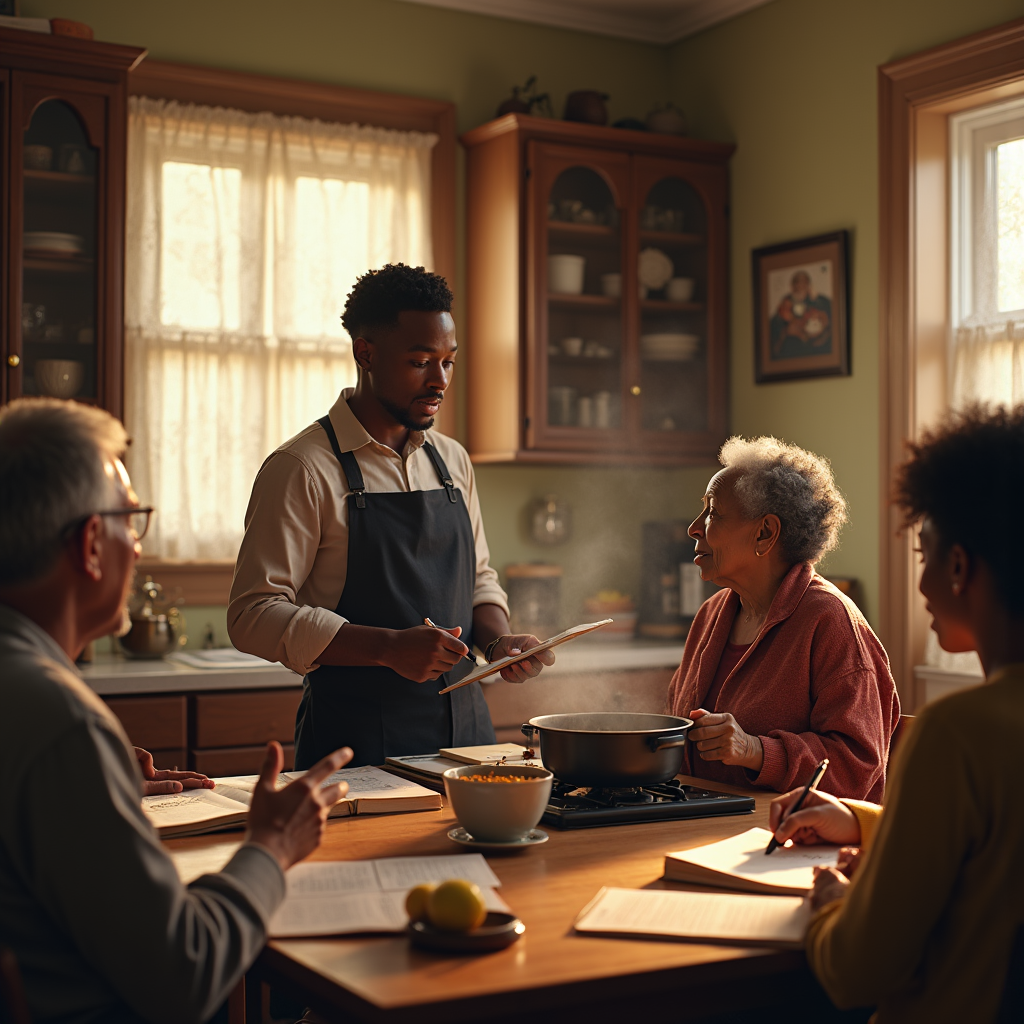
Sometimes, when I’m grading papers – mostly essays about *The Odyssey*, you know, kids pretending they understand Homer – I think about how little anyone really looks at words anymore. They scan, they absorb just enough to parrot back a summary, and then move on. It's not their fault, exactly. The world throws so much at them, constant streams of videos and memes and whatever new app has popped up that week. Sitting down with a long essay, or even a good newspaper article? Feels like homework.
I remember my own grandmother, Nana Rose, always underlining things in her cookbooks. Not just the ingredients – which, believe me, you needed to follow along with her recipes – but little notes in the margins: “Too much salt!” or "This needs lemon." She wasn’t just cooking; she was *engaging* with the recipe, figuring out how it worked and how to make it better. It’s not a huge leap from that to reading, I don't think. If you can critically assess a béchamel sauce, you can probably critically assess an argument in an article about city council.
This year, after leaving room 214 for the summer, I finally got serious about Nana Rose’s Sunday gravy recipe again. She started it years ago and always said she’d show me “the secrets.” Secrets usually involve some magical ingredient or technique that makes everything perfect—but often they were simply notes about things to watch out for: "Don't boil the tomatoes, simmer them!" Or "add a little sugar if it tastes too acidic." The whole thing became a conversation with her – and I realized that was the key. That’s what active reading is, right? A conversation.
In class, we talk about annotation—circling words you don't know, writing questions in the margins. Some kids roll their eyes. They want to get it done, move on. But I tell them – and I really mean it – that those little question marks, those scribbled notes? Those are like a tiny muscle flexing inside your brain. The more you flex it, the stronger it gets. The more comfortable you become asking questions *about* what you’re reading. Not just to see if you understood it—but to really examine where it's coming from, and what it's trying to do.
I saw a kid, Michael, start doing this with a particularly dense piece about local zoning laws. He was usually one of the ones rushing through things, barely scratching the surface. But he started writing all over that paper – “Why?” "Who benefits?" “Is this fair?” Then, he asked some really sharp questions during our class discussion. It wasn't just about the law itself; it was about *power*, and fairness, and how decisions are made. And it started because he bothered to pause and ask a few simple questions while reading.
It’s not about memorizing everything you read. That’s never been the point. It’s about building this internal toolkit. When I was younger, spending long afternoons in Delaware County with my aunts and uncles, I noticed how easily we could get worked up during family debates. Everyone had strong opinions—usually very loudly voiced—but few took a moment to really understand *where* those opinions came from. Why did Uncle Leo think that pothole on Elm Street was the city’s fault? What was he basing that belief on? It's easy to dismiss someone if you don’t even try to see where they're coming from—and it gets us nowhere.
And that, I realize, is what's missing so often now – not just in reading, but in everything. We’re quick to react, quick to judge, and slow to actually *think*. It feels like we are collectively forgetting how to be skeptical — or maybe more accurately, how to channel our skepticism constructively instead of letting it turn into constant negativity.
The Sunday gravy simmered for hours yesterday. The smell alone felt like a lesson: patience, careful attention, layering flavors—and trusting that even if something doesn't seem right at first, with time and careful tweaking, you can make it amazing. That’s true of reading, too. And maybe – just maybe– it’s the key to getting us all through these increasingly complicated times.