Reclaiming the Body, Finding Our Breath
Sometimes, I think about how much we’ve learned – or perhaps *relearned* – about the body over the years. We spent so long focused on the mind, on willpower ...

Sometimes, I think about how much we’ve learned – or perhaps *relearned* – about the body over the years. We spent so long focused on the mind, on willpower and discipline, as if the body were simply a vessel to be controlled. It's a funny thing, isn’t it? Like forgetting to water a plant and then wondering why it's drooping.
My years teaching, particularly to younger people, were often filled with a quiet sadness. There were so many children, bright and capable, carrying burdens I couldn’t fully understand. The standardized tests, the pressures of college, the ever-present awareness of a world that felt increasingly precarious – it all seemed to settle on their shoulders like a heavy coat. I tried to offer what I could: encouragement, a listening ear, a safe space to fail. But I also felt the limitations of my own resources.
And then, more recently, I’ve been reading about research into something quite remarkable: the power of the breath. I've always understood, intuitively, that our breath is connected to everything—to our moods, our energy, our sense of well-being. You notice it, I’m sure, even if you don’t consciously think about it. When you’re anxious, your breath gets shallow and rapid. When you’re relaxed, it slows and deepens. But the intentional use of breath, the practice of *working* with it, to consciously regulate the nervous system… that’s a different thing entirely.
It’s especially encouraging to see this being explored with young people. Adolescence is such a vulnerable time. Those years, my goodness, they were a whirlwind. Finding your place, navigating shifting relationships, the sheer intensity of emotions… it’s a lot for any young person to handle. And for those who have experienced trauma, the challenges are magnified tenfold. I've seen it, you know. The guardedness, the withdrawal, the difficulty connecting with others.
I remember Phyllis telling me about her granddaughter, a sweet, quiet girl who had struggled with anxiety after a particularly difficult experience. Therapies had helped, of course, but the progress felt slow, incremental. Then she started learning a particular breathing technique, a method that focuses on rhythmic, controlled inhales and exhales. It didn't erase the past, no. But it gave her a tool—something tangible she could *do* in the moment, something she could bring with her wherever she went.
It’s an accessible approach, which is important. Mental health care can be so expensive, so difficult to access. Waiting lists, insurance hurdles, the stigma… it creates barriers that prevent so many people from getting the support they need. This isn’t about replacing professional help, of course. But it offers a potential bridge, a way to empower individuals to take some measure of control, especially when resources are scarce. Even a few minutes a day can make a difference.
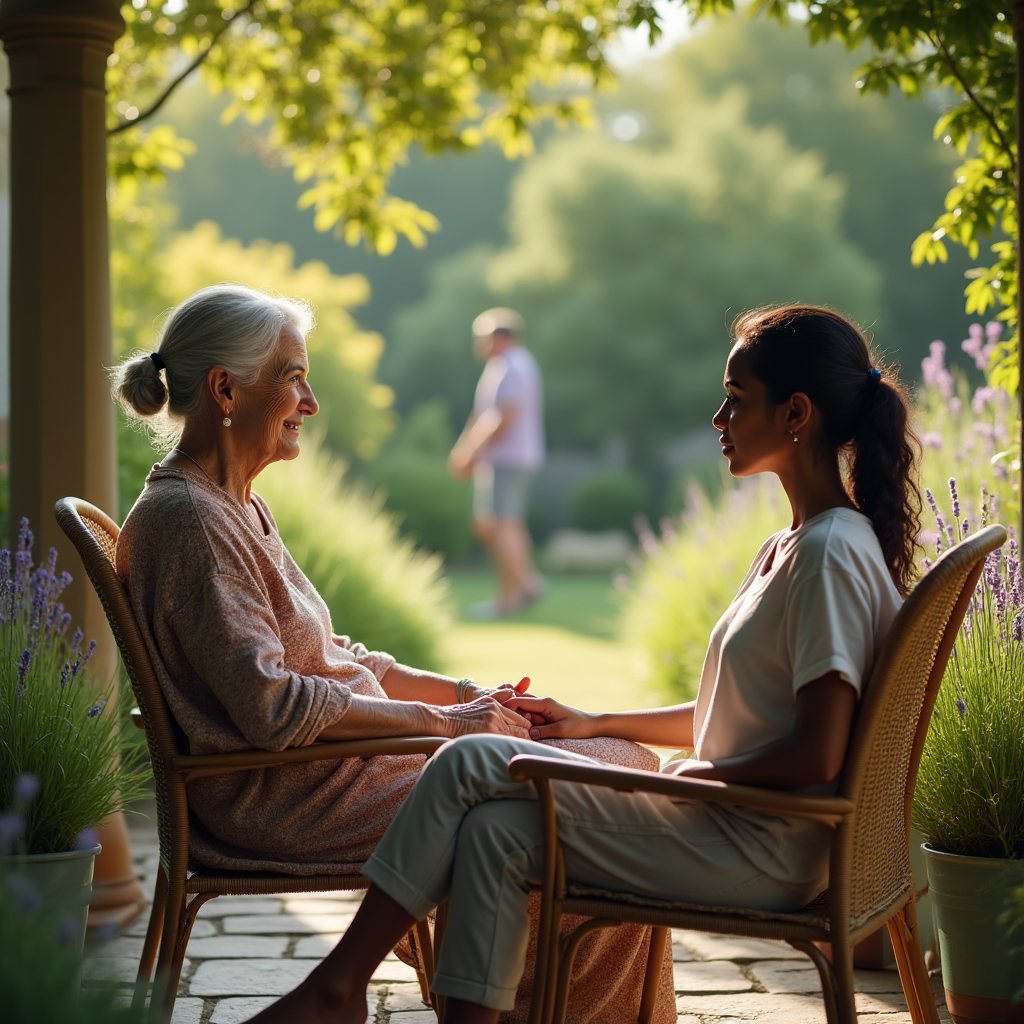
I’ve been exploring these techniques myself, sitting in the garden after Bernard goes off to work, just focusing on my breath. It’s a calming practice, of course. But beyond that, it’s a reminder—a gentle nudge—that I, too, have the capacity to influence my own state of being. It’s a subtle shift, perhaps, but it’s there. A greater sense of centeredness, a quiet resilience.
It gives me a certain amount of hope, thinking about what might be possible for these young people. To equip them, not just with knowledge, but with tools—simple, natural tools—to navigate the inevitable storms of life. I’m thinking of planting some lavender around the patio next spring. The scent is so soothing. Perhaps that, too, can be a small act of kindness.