Rewriting Your Brain’s Procrastination Loop
Sometimes I feel like my brain is actively working against me. It sounds dramatic, but it’s real. For years, this feeling’s been a low hum in the background,...

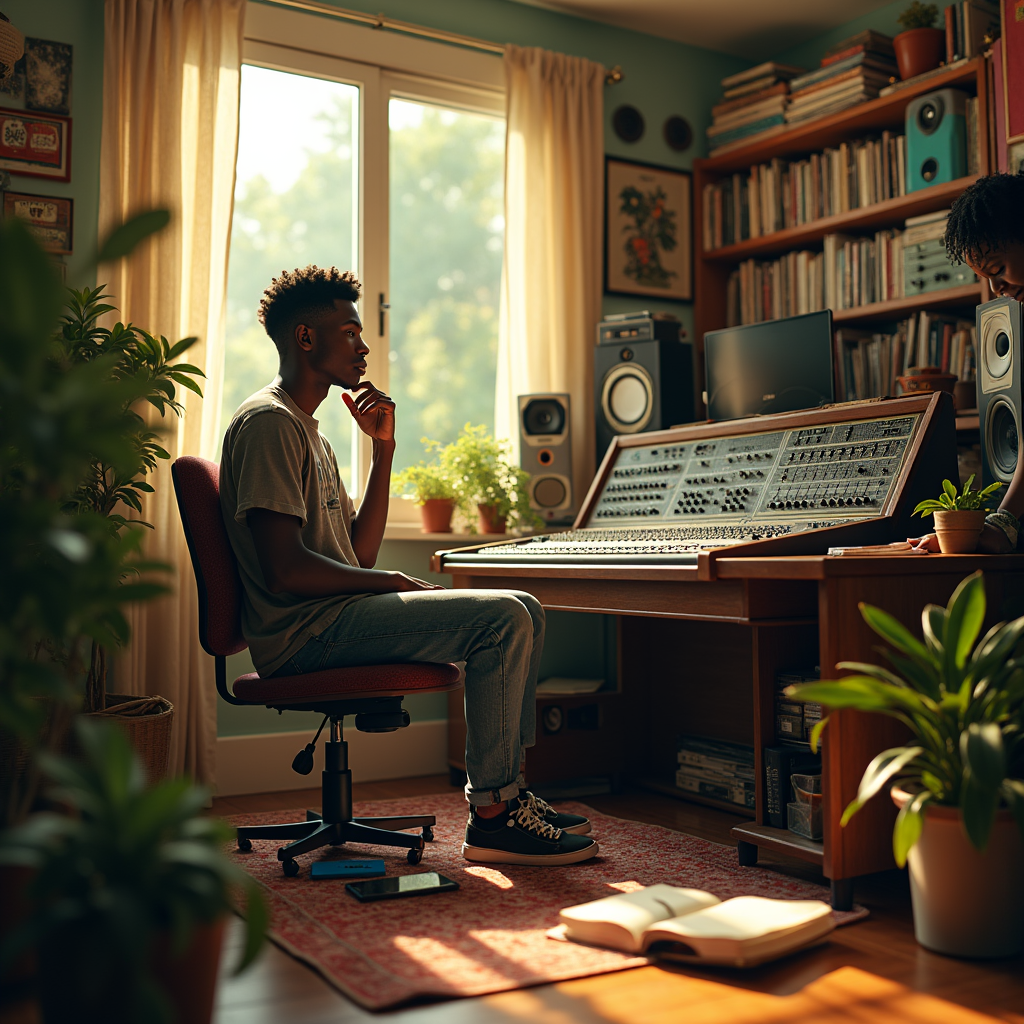
Sometimes I feel like my brain is actively working against me. It sounds dramatic, but it’s real. For years, this feeling’s been a low hum in the background, getting louder when deadlines loom and quieter when I'm just vibing, making beats, lost in something that actually *feels* good. That low hum? Procrastination. We all do it, right? But for some of us, it’s more than just putting off chores or binge-watching a show before tackling an assignment. It's a whole system, a carefully constructed avoidance strategy disguised as… well, something else.
I remember those first few months after I dropped out. March to September felt like wading through molasses. Every beat I made felt hollow, every post I put up seemed pointless. People weren’t engaging the way I hoped they would, and the silence screamed at me – not from judgment, but from a kind of indifferent expectation that I just keep *doing* it. It wasn't about talent; it was about the grind, the consistency, the pressure to produce even when the motivation well felt bone dry. It was exhausting trying to manufacture enthusiasm.
There’s this idea out there – pushed by everyone from motivational speakers to productivity apps – that you just need to “hustle harder.” But what if the problem isn't a lack of effort? What if it's that we're fundamentally misaligned with the way our brains are wired, and demanding too much in a world designed to distract us at every turn? It’s like trying to run a marathon on broken legs – you might force yourself for a while, but eventually, something has to give.
I used to think I was immune. I thought I was one of those "high-functioning" procrastinators, the kind who thrive under pressure, pulling all-nighters and delivering brilliant work at the last minute. There’s a weird sense of satisfaction in that rush – like you've outsmarted the system. But it's a dangerous game. That adrenaline surge isn't sustainable; it burns you out, leaves you brittle. It creates this cycle where you feel guilty for procrastinating, so you double down on the frantic effort, and then feel even more drained afterwards.
I’ve been reading about new research that suggests procrastination isn't just laziness or poor time management. It's tied to deeper psychological patterns – different ways our brains process tasks, prioritize rewards, and cope with stress. There are people who get stuck in a loop of worry, always anticipating the worst possible outcome; there are others who lose themselves in dreams and fantasies, avoiding the concrete steps needed to make things happen. It’s not about moral failing; it's about understanding *how* your brain works.
And now with AI constantly shifting what “work” even means, that need for self-regulation is only going to get more intense. Used to be, you could kinda fake your way through a job, coasting on charm and good looks (okay, maybe not for me, but you know). Now, you're expected to learn new skills constantly, adapt to changing technologies, and maintain peak performance under constant surveillance – often from algorithms themselves. That old "hustle harder" mentality just won’t cut it anymore; you need *systems*, real strategies to manage your energy and focus.
The six hundred dollars I made from that first placement in September? It wasn't a jackpot, but it was validation. A sign that maybe the long hours spent honing my craft, even when it felt like shouting into the void, weren’t entirely wasted. It cracked something open. Not an instant fix, definitely not, but a glimmer of hope – a sense that I could actually build a sustainable path forward, one where productivity didn’t feel like a constant battle against myself.
This isn't about eliminating procrastination altogether. It's about understanding it, working *with* your brain instead of against it. It's about finding ways to structure your life and work in alignment with your natural rhythms, not forcing yourself into a mold that doesn’t fit. Maybe that means breaking down big projects into smaller, more manageable steps. Maybe it means setting realistic deadlines and celebrating small wins along the way. Maybe it just means giving yourself permission to breathe sometimes, to acknowledge that feeling of resistance without letting it paralyze you.