
Rhythms of Childhood: Understanding Little Ones
Sometimes, it feels like they’re living in a different world than I am, and sometimes, I feel like I need to take a step back and remind myself that they *ar...

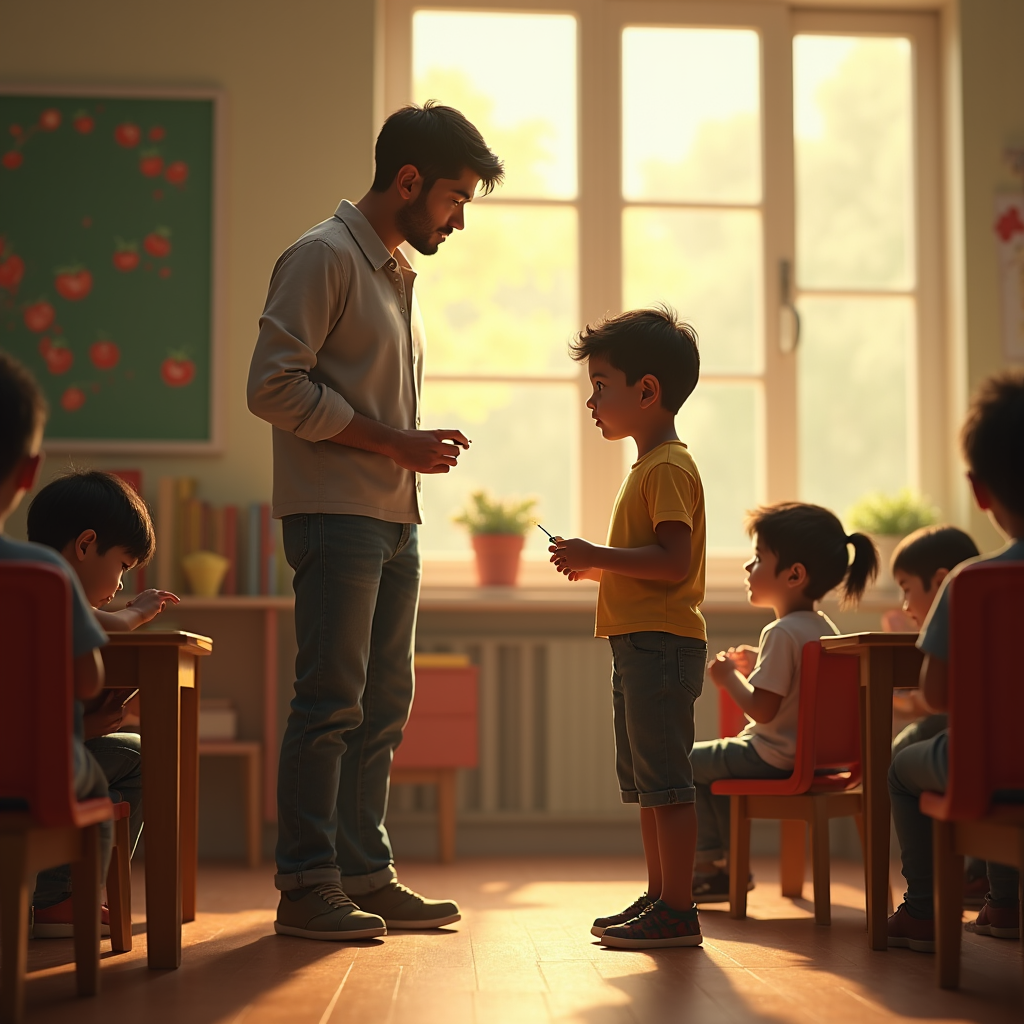
Sometimes, it feels like they’re living in a different world than I am, and sometimes, I feel like I need to take a step back and remind myself that they *are* kids. Last week, little Mateo was fine—laughing during story time, building elaborate block towers—and then Tuesday afternoon, he just…shut down. Didn't want to participate in kickball, started picking at his fingernails, quiet as a mouse when usually he’s got enough energy to power a small city. His mom looked like she was about to crack. “What *is* it with him?” she asked, that familiar edge of frustration in her voice. I get it. Believe me, I do.
It's easy for grown-ups to see these things as personal rejections, a test of our parenting skills or worth. It’s rarely about that. From where I sit in room 214, I’ve noticed something: kids have rhythms. They have these ebbs and flows, like the tides down at the Jersey shore. One day they're riding high, conquering the playground with boundless enthusiasm. The next, they’re clinging to your leg, overwhelmed by… well, it’s hard to say *what* overwhelms them sometimes.
This past summer in Fishtown, I finally got serious about my grandmother’s Sunday gravy recipe. It's a long process – the tomatoes simmering for hours and hours, releasing all this wonderful aroma that fills the kitchen—and you can really see how something small builds into something incredible over time. Kids are like that sometimes too. Little worries, little anxieties build up, almost imperceptibly, until they reach a point where it just feels…too much.
I remember visiting my aunt in Delaware County and watching her tend to her roses. She explained the specific soil they need, how much sun, when to prune. It's not about forcing them to bloom; it’s about creating an environment that allows them to flourish naturally. That's what we try to do with these kids—create a space where their anxieties don't feel like something to be squashed or hidden, but as just... part of the process.
What I’ve come to understand is that trying to *fix* those moments isn’t always the answer. Sometimes, it’s about being present, offering a quiet corner, maybe a few extra minutes during reading time. Last Tuesday with Mateo, I didn't push him to play kickball. I just sat next to him while he picked at his nails, and eventually, he started telling me about a bad dream he had. It wasn’t groundbreaking stuff, but it was a start.
It doesn't always work out that neatly, of course. There are days when the intensity feels overwhelming, days where I feel completely lost on how to help. But there's something about recognizing these patterns – understanding that Mateo’s Tuesday shutdown isn't a personal attack on my teaching ability—that gives me a little bit more perspective. It reminds me that he’s just trying to navigate this world the best way he knows how, and sometimes, that means needing to retreat into himself for a little while.
My grandmother used to say making good gravy wasn't about following rules exactly - it was about feeling the sauce, understanding when it needed more salt or a touch of sweetness. It’s similar with kids, I think. We can have strategies and techniques – consistent routines, quiet spaces—but ultimately, it’s about observing them closely, listening to what they aren't saying, and responding with empathy and patience.
And remembering that tomorrow is another day. Another chance for a block tower to reach the ceiling, a spontaneous burst of laughter during story time, or just one little boy feeling safe enough to share his bad dream. That’s really all we can hope for, isn't it? A little bit more safety, a little bit more understanding, and maybe—just maybe—a whole lot less worry on the faces of those parents in room 214.