
Room 214: Potential, Time, and Growing Up
Sometimes, I think about room 214 and all those little brains in there. It’s not just about learning your letters or how to add seven plus five. It's about w...

Sometimes, I think about room 214 and all those little brains in there. It’s not just about learning your letters or how to add seven plus five. It's about what they *can* learn, what they’re built to become, and the stuff that gets in the way. We talk a lot about potential, but potential needs space to bloom. And some kids have less room than others.
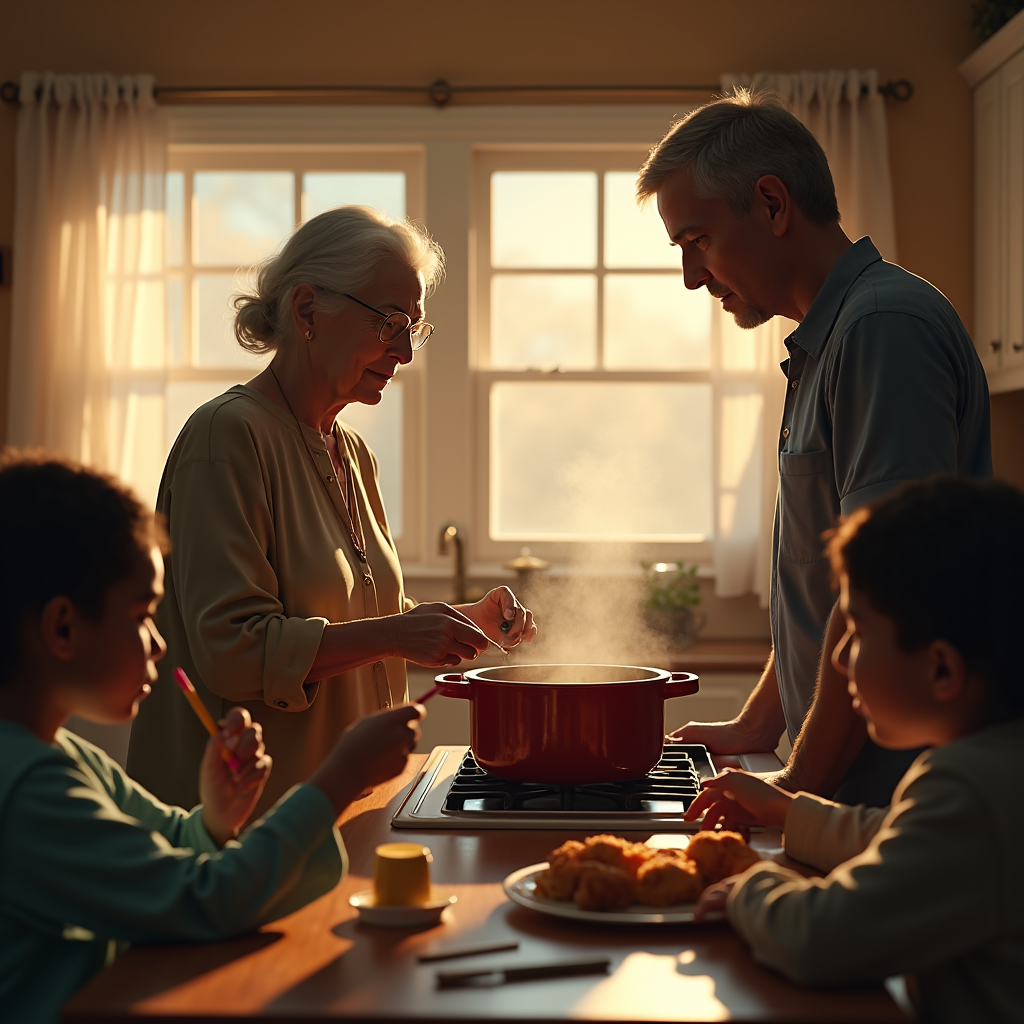
My grandmother used to make Sunday gravy – it was practically a ritual. She’d spend all morning simmering it, this deep, rich aroma filling her little kitchen in Delaware County. Said it needed time; couldn't rush something like that. It’s the same with brains, I think. They need time to develop properly, especially when they’re small and still figuring things out. But some kids don’t have that luxury.
There’s this research floating around now, showing how a kid's surroundings – where they live, what their family can provide, just the general conditions they grow up in – actually shapes their brains. Like clay on a potter’s wheel, but instead of clay it’s neurons and synapses. It’s not about inherent ability; it's about environment. You see kids who are bright as buttons, truly sharp, but they struggle to keep up because everything is a fight. A constant scramble for food, safety, quiet time to study... all that builds up.
I remember one boy, Mateo, last year. He was quick, really quick, could pick up math concepts faster than almost anyone. But he came in every morning exhausted – sleep on the floor at his aunt's place? Didn’t have any consistent meals? It took a lot of careful coaxing just to get him to focus long enough to learn how to write his name properly, let alone solve problems. You could see the potential there, flashing like a lighthouse beam in the fog, but it was hard for him to reach it.
It's not simple, though. People want easy answers, neat categories. They’ll point and say, "Oh, *those* kids, they just… learn differently." But different isn't always bad, and different doesn’t always mean something inherent. It can mean their brains are working overtime just to survive. Sometimes, I wish they would stop trying to simplify it. This messy business of being a person, growing up...it’s not a pie chart.
What’s striking is how early these changes happen. We think about high school or college – yeah, obviously the opportunities you have then matter. But it’s all starting *before* that. Before kindergarten. Before they even really know what a classroom is supposed to be. It's like those Sunday gravies my grandmother made: if you skip any step at the beginning, it will never reach its full potential.
There’s something else too; I read once about how kids who face adversity sometimes seem to mature faster than their peers. Not emotionally, necessarily – that's a whole other thing – but in terms of brain development. Parts of their brains associated with problem-solving and self-control might be more active, which sounds good on paper, right? But it can also mean they’re missing out on things, skipping stages, becoming little adults too soon. It feels unfair to have that kind of pressure so early in life.
This year I'm back to working on my grandmother's gravy recipe. Last summer, I managed to get the tomatoes just right – not too sweet, not too acidic – and now it’s almost perfect. Thinking about all those kids out there...it makes you want to somehow give them a little more time, a little more space, so their brains can simmer slowly and develop properly, like a good Sunday gravy. It's complicated, though. And I wish I had the answer.