
Screens, Anxiety, and Lost Childhoods
The insistent hum of the refrigerator is a small comfort tonight, a mechanical heartbeat against the unsettling quiet that’s settled over the house. It's fun...

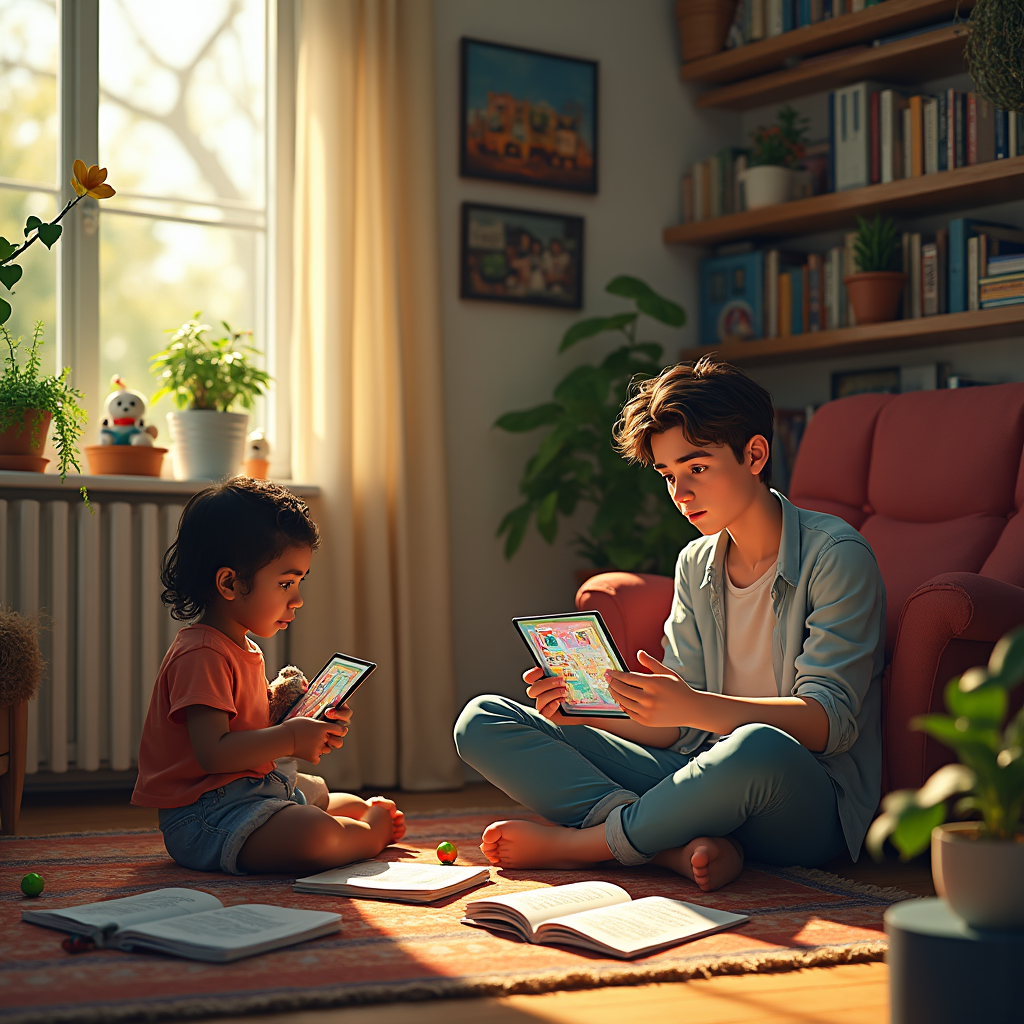
The insistent hum of the refrigerator is a small comfort tonight, a mechanical heartbeat against the unsettling quiet that’s settled over the house. It's funny, isn’t it? How a simple appliance can become a focal point for anxieties – a reminder of the endless cycle of consumption, of wanting. I find myself staring at Greta, sprawled on the rug, lost in another one of those miniature worlds she pulls from her tablet. Seven years old, and already fluent in the seductive logic of curated delight. It wasn’t always this way, of course. There was a time – a shockingly brief time – when YouTube felt like a lifeline during that first, overwhelming lockdown. A shared space for bewildered parents, a repository of oddly comforting chaos. I remember Rae, all wide-eyed and insistent, demanding the secrets to “perfect slime,” convinced she was part of some burgeoning online trend.
The thing is, you don't truly *see* it at first. The subtle shifts in language, the adoption of mannerisms, the insidious way these platforms begin to shape a child’s perception of reality. It started with the "viral" obsession – Rae constantly referencing things going “viral,” adopting an American accent as if effortlessly mimicking the influencers she was watching. Then came the fascination with excessive consumption: families driving enormous vehicles into sprawling supermarkets, accumulating mountains of food for no discernible purpose. The sheer *abundance*, presented with such uncritical enthusiasm, felt profoundly wrong. It wasn’t just the content itself; it was the underlying assumption that happiness could be purchased, that fulfillment resided in endless acquisition.
I tried to resist, I really did. There were moments of fierce determination, evenings spent wrestling with the tablet, shutting down access to this seemingly inescapable stream of manufactured desire. But children are remarkably resilient – and tired. As a teacher juggling a new school, new class, and new methods, time became increasingly stretched, a thread pulled taut until it threatened to snap entirely. The guilt was immense, a constant companion whispering anxieties about screen time, about the potential for distraction, about my own failings as a parent.
It’s absurd, isn't it? To feel so profoundly unsettled by a collection of short videos – yet utterly powerless to prevent a child from being captivated by them. The algorithms are designed specifically for this; engineered to exploit our innate vulnerabilities, to amplify the desires we didn't even know we possessed. It’s a terrifyingly sophisticated form of manipulation, and frankly, it strips away any sense of control you might think you have.
I find myself increasingly preoccupied with Greta’s burgeoning interest in Disney films—a welcome shift from YouTube’s chaotic short-form content. There's an undeniable appeal to the fantastical worlds portrayed on screen; however, a darker shadow lurks beneath the surface. The same dynamic family, father and daughter, who endlessly encourage her to fill her boots with whatever she wants is becoming increasingly troubling. I noticed that she started to explore YouTube – watching family videos where the father encourages his tween to fill her boots with whatever she wants.
It’s easy to fall into a pattern of justification - "She's just having fun," or “It’s educational.” But the truth is, we’re not simply providing entertainment; we are actively shaping young minds within a profoundly complex and often deceptive digital landscape. The ability to critically evaluate information—to discern between genuine value and calculated marketing—is a skill that needs nurturing, not passive acceptance. It's a battle waged on multiple fronts – demanding time limitations, fostering open conversations, and cultivating a healthy skepticism towards the relentless flow of manufactured desires.
Ultimately, I realize this isn’t about banning screens entirely; it’s about reclaiming agency – about steering our children toward experiences that prioritize genuine connection, critical thinking, and an appreciation for the simple joys of existence. It's about remembering what truly matters amidst the endless stream of curated content, before the world—and the algorithms feeding it—have completely reshaped their understanding of reality.
And perhaps, just perhaps, learning to recognize the quiet hum of a refrigerator as a small comfort might be a good starting point.