Screens Connection and a Little Bit of Gravy
Sometimes, you just gotta breathe. That’s what I keep telling myself these days, and my mom keeps reminding me of, too. It feels like every conversation with...

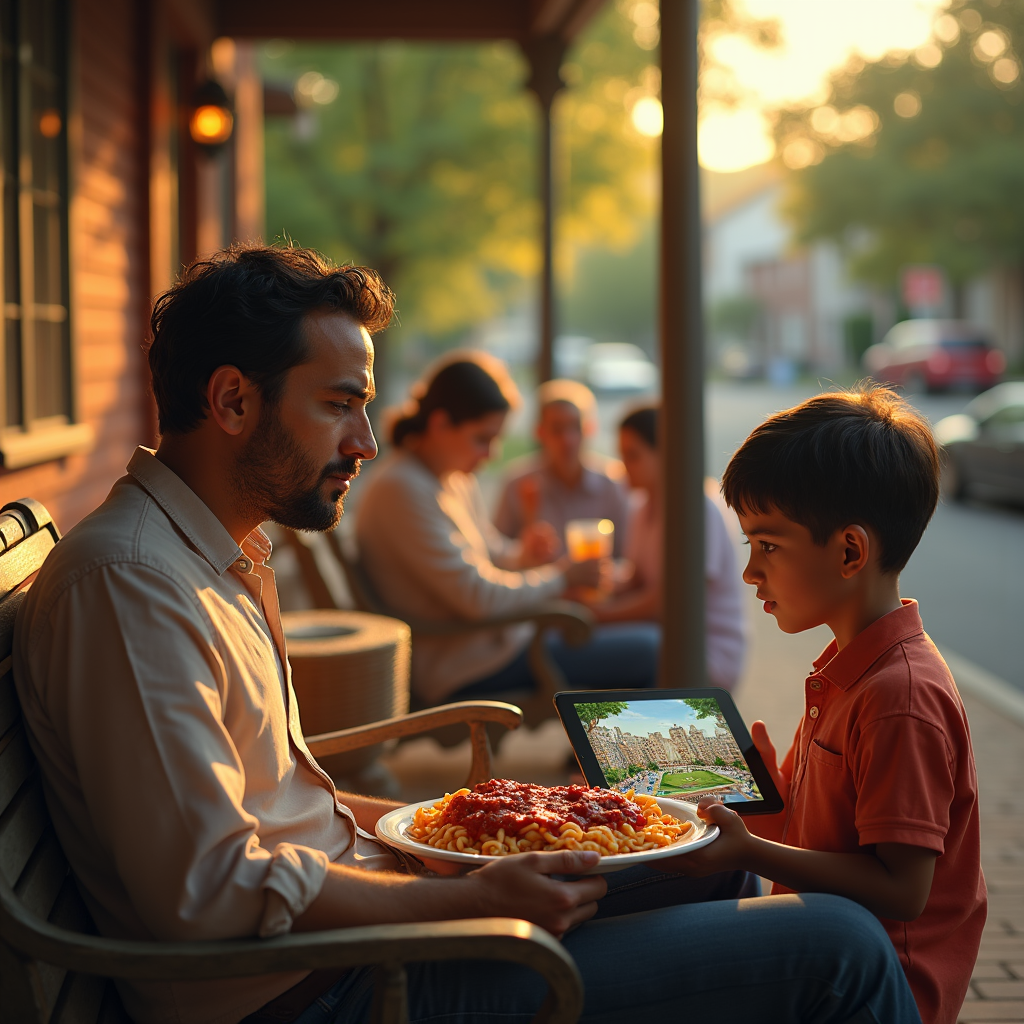
Sometimes, you just gotta breathe. That’s what I keep telling myself these days, and my mom keeps reminding me of, too. It feels like every conversation with a parent at school ends up circling back to screens. Phones, tablets, TVs… they're always there, aren't they? And the worry – the genuine, palpable worry – in their eyes is something I’ve gotten pretty used to this past year in room 214.
I remember my own mom stressing about me and video games back when I was a kid. She’d set timers, institute “no screens at the table” rules—the usual drill. It felt like a constant battle, you know? Like she was trying to build some invisible wall between me and… what exactly? Fun? Connection? It's funny, now that I'm on this side of things, watching parents wrestle with their own kids' devices.
The thing is, the rules keep changing. Remember when we were all supposed to be terrified of two hours a day? Then it was three, then it was… who even knows anymore? It’s not about how *much* time they spend staring at something, I think. That’s what these new studies seem to be saying. It’s about *what* they're doing while they’re looking. Are they just passively absorbing whatever pops up on the screen, or are they actually engaging?
I saw a kid – Marco, he’s a quiet one in third grade—completely engrossed in building something intricate in Minecraft last week during free time. He wasn’t just hitting buttons; he was problem-solving, collaborating with another student remotely, explaining his design choices. That's not just screen time; that’s creative construction, social interaction, critical thinking. It’s a whole lesson wrapped up in pixels.
My grandma started teaching me how to make Sunday gravy years ago—a proper one, the kind that simmers all day and fills the house with this incredible smell. At first, I just stirred. She'd watch me patiently, correcting my technique – "Not too much! Gentle now!" —explaining the science behind why certain ingredients worked together. It wasn’t about limiting my time in the kitchen; it was about guiding my interaction with a process, helping me understand how things work. It feels like that applies to screens, too.
There's this tension sometimes – seeing a kid glued to their phone and immediately thinking "too much." But what if they're connecting with cousins who live hours away? What if they’re finding communities online that share their interests? There's a real loneliness out there for some kids, especially as they get older. Those connections, even if mediated through a screen, can be vital. It just means we need to teach them how to navigate those spaces safely and responsibly.
It's not about banning the devices; it’s about talking about them. My mom used to tell me, "Talk to me about what you’re playing, what you’re watching." That felt like a lecture back then, but I get it now. Not lecturing, really – just showing interest and asking questions. What are they learning? What's exciting them? What's making them feel down? It’s the same approach I use with my students; connection is more important than restriction.
This summer has been about slowing down—about Sunday gravies and long mornings on the porch in Fishtown, just thinking. And it's reinforced for me that raising kids – teaching kids, really – isn't about finding easy answers or strict rules. It’s about understanding them, guiding them, and helping them learn to breathe through it all, even when the world feels like it’s moving too fast. The screens aren’t going away; we just need to help them use them wisely.