Seeing Math Beyond the Textbook
Sometimes, you just see something and it makes you stop and think about how much we get wrong. Like, truly wrong, not just a little off. I was reading an art...

Sometimes, you just see something and it makes you stop and think about how much we get wrong. Like, truly wrong, not just a little off. I was reading an article – one of those things you click on because the headline promises something amazing – and it was about this method for teaching kids math. It wasn't about fancy software or gamification or any of the usual things. It was about…an abacus. Not the physical thing you might see in a museum, but a mental one.
It sounded wild, I'll admit. I've spent a whole year wrangling twenty-four third graders in room 214, and we've tried everything. We’ve done multiplication songs, fraction pizzas, even that weird dance where you have to represent decimals with your body. Nothing really *stuck* the way I hoped it would. You know that feeling – the one where you can see the gears turning in their heads, but they’re grinding against something, not quite clicking into place? I got pretty familiar with it this year.
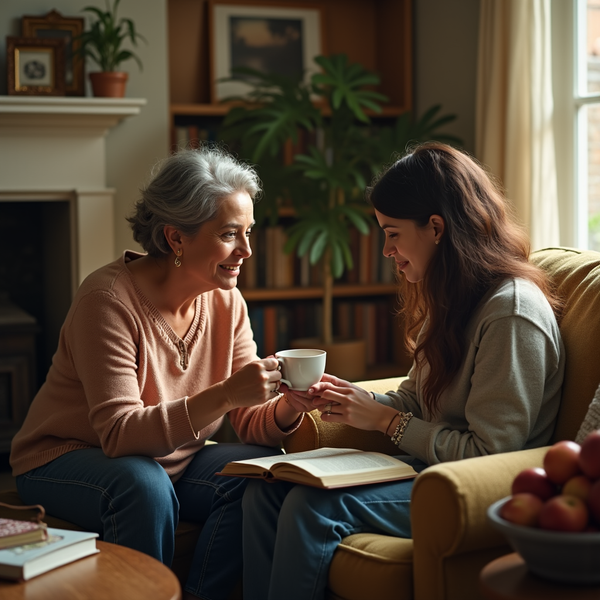
The article explained that these kids, across the ocean, were learning to visualize the abacus in their heads. They were doing calculations without paper, without pencils, just…thinking. And not just arithmetic, either. It was showing up in other areas, too – memory, focus, problem-solving. It made me think about my grandmother. She learned to cook from her mother, who learned from hers, and everything was done by feel, by memory. No recipes, no measuring cups. Just a deep understanding of how things worked. It’s a kind of math, too, isn't it? A math of ingredients and instinct.
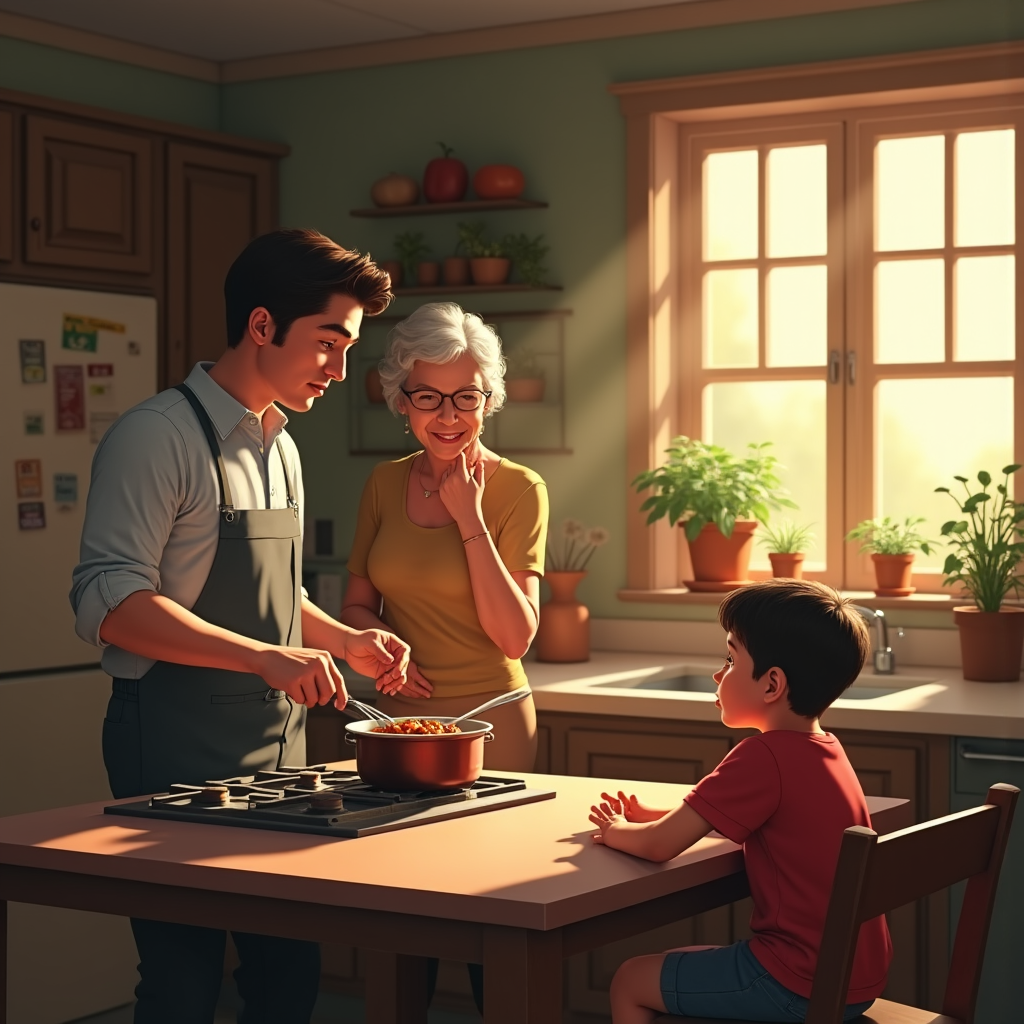
I’ve been spending my summer trying to finish that Sunday gravy my grandmother started teaching me years ago. It's a deceptively simple recipe, but getting it *right* – the richness of the sauce, the tenderness of the meat – it takes time and attention. I kept messing it up, adding too much this, not enough that. My grandmother, when I called, just laughed and said, “You gotta *see* it, Michael. Feel it in your bones.” I didn’t get it then. I’m starting to, though.
It's fascinating how something so simple – a mental tool – can seem to unlock so much. We spend so much time trying to make math *fun*, to trick kids into learning. We forget that sometimes the best way to learn is to just…do it. To build those mental muscles. I saw a kid in room 214 this year, Mateo, who struggled with everything. He’d get frustrated easily, shut down. But he had this incredible memory for patterns. He could remember the order of the kids who lined up for lunch every single day.
It makes you wonder about how we structure things. We’re so focused on the specific – memorizing formulas, solving equations – that we might be missing the bigger picture. The ability to *think* mathematically, to see patterns, to solve problems creatively. I drove out to Delaware County last weekend to see my aunt, and she was telling me about her garden. She doesn’t follow any particular plan; she just knows, somehow, where to plant what, how much sunlight each plant needs. It’s a kind of intuitive math.
I’m not saying we should all abandon textbooks and start teaching kids to mentally manipulate beads. But maybe, just maybe, there's something to be learned from this. Something about the power of visualization, the importance of building those fundamental cognitive skills, and the surprising ways that learning can happen when we step outside of the usual boxes.
I’m going to look into this a bit more. See if there’s a way to incorporate some of these ideas into what we do in room 214 next year. Maybe Mateo, maybe all of them, could benefit from learning to see the math in their own heads. It feels… hopeful. After a year of frustration, a little hope is a good thing. And the gravy’s finally starting to taste right, too.