
Shared Fear Forged Connections
Sometimes, the stuff that scares you the most ends up bringing people closer. It sounds kinda backwards, right? Like, why would you *want* to feel fear with ...

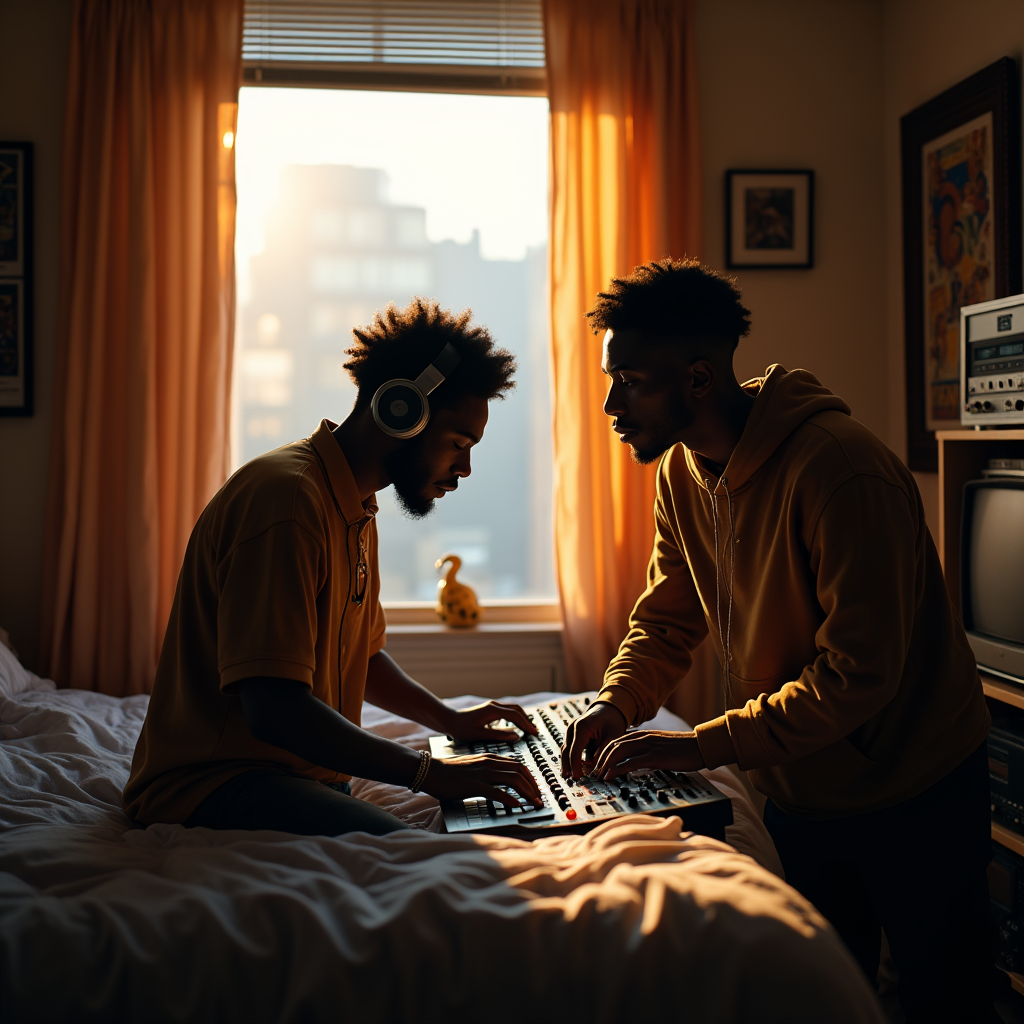
Sometimes, the stuff that scares you the most ends up bringing people closer. It sounds kinda backwards, right? Like, why would you *want* to feel fear with someone else? But I’ve been thinking about this a lot lately, especially after messing around with some new sounds in my bedroom studio – beats with an edge, something unsettling underneath the bounce. There's a certain vulnerability that comes when you’re laying down tracks like that, exposing yourself, and feeling it with somebody…that connection is undeniable.
I remember that haunted house I went to downtown last year with my roommate, DeAndre. We weren't really into it beforehand – too loud, jump scares felt cheap. But being *in* there, trapped in the dark, bumping shoulders as we navigated those ridiculous hallways...it was a different vibe entirely. It wasn’t just about screaming anymore; it was about navigating something together, anticipating each other's reactions. Afterward, walking back to our place, we were cracking up, dissecting every scare, practically reliving the whole thing. That feeling of shared tension lingered—a weird comfort in having faced something goofy and scary *together*.
There’s this study I came across recently that actually explored something like this. They had groups of people participate in simulated fear-inducing situations – not life or death stuff, but things designed to trigger a sense of unease and vulnerability. Afterwards, researchers tracked how those participants perceived their relationships with the others involved. What they found was pretty interesting: people reported feeling significantly closer to the other folks who experienced the same thing as them. It wasn’t about loving the fear itself, it was about bonding over overcoming it – even if what you were overcoming was a plastic spider dangling from the ceiling.
It makes sense when you think about it. We’re wired to connect. And sometimes, those connections are forged in moments of shared adversity, even manufactured ones. It's like, you've both seen behind the curtain, acknowledged that something might be unpredictable or scary, and made it through together. That creates a shorthand, a level of trust that wouldn’t exist otherwise. Back at Clark Atlanta, people always gravitated toward experiences – parties, late-night study sessions, even just venting about professors - where they could really *feel* something with each other.
I've definitely noticed this pattern in my own creative process too. When I’m producing a beat that feels particularly risky, pushing the boundaries of what I normally do, there’s an immediate sense of camaraderie when I play it for someone whose opinion I trust. It isn’t always positive feedback; sometimes, they tear it apart. But even criticism in that moment is different – it's not personal, it's collaborative. We're both wrestling with something challenging and working towards a shared goal, regardless of the outcome.
It strikes me now how much this applies to so many things we do—even stuff that isn’t consciously about fear at all. Think about extreme sports or immersive experiences like escape rooms. People willingly put themselves in uncomfortable situations not necessarily because they enjoy the discomfort itself, but because it fosters a unique sense of community and accomplishment with those who share the same experience. You're proving something to yourself—and subtly signaling to everyone else you’re brave enough for this particular ride.
The fascinating thing isn’t just that we seek out these experiences, but how much value we place on talking about them afterwards. That post-experience processing – reliving the moments, analyzing what happened, laughing at how scared you were—that's where a lot of the bonding truly happens. It’s like solidifying the memory and reinforcing your shared identity as “people who did that.” Those conversations become these little inside jokes, touchstones in your relationship.
I wonder if therapists could use this somehow. Maybe creating carefully controlled environments to help couples or teams work through conflict by simulating situations where they have to rely on each other under pressure. Not like a forced bonding exercise, but more like providing an opportunity for vulnerability and shared challenge that can open up lines of communication otherwise blocked by day-to-day stress. It’s definitely something I'm going to keep thinking about as I continue making beats in this tiny bedroom studio, trying to figure out what sounds truly resonate—and who else is listening.