
Simple Actions Quiet Resilience True Growth
Sometimes, after a long day with twenty-three little people and their various intensities, I find myself staring into my pasta sauce – Sunday gravy simmering...

Sometimes, after a long day with twenty-three little people and their various intensities, I find myself staring into my pasta sauce – Sunday gravy simmering low on the stove – thinking about how complicated we make things. We build these massive systems of…well, *everything*, don’t we? Schools, social media platforms, reward charts, behavior matrices... all meant to help, to guide, to optimize. And yet, sometimes I wonder if they just add a layer of noise on top of what's already pretty simple.
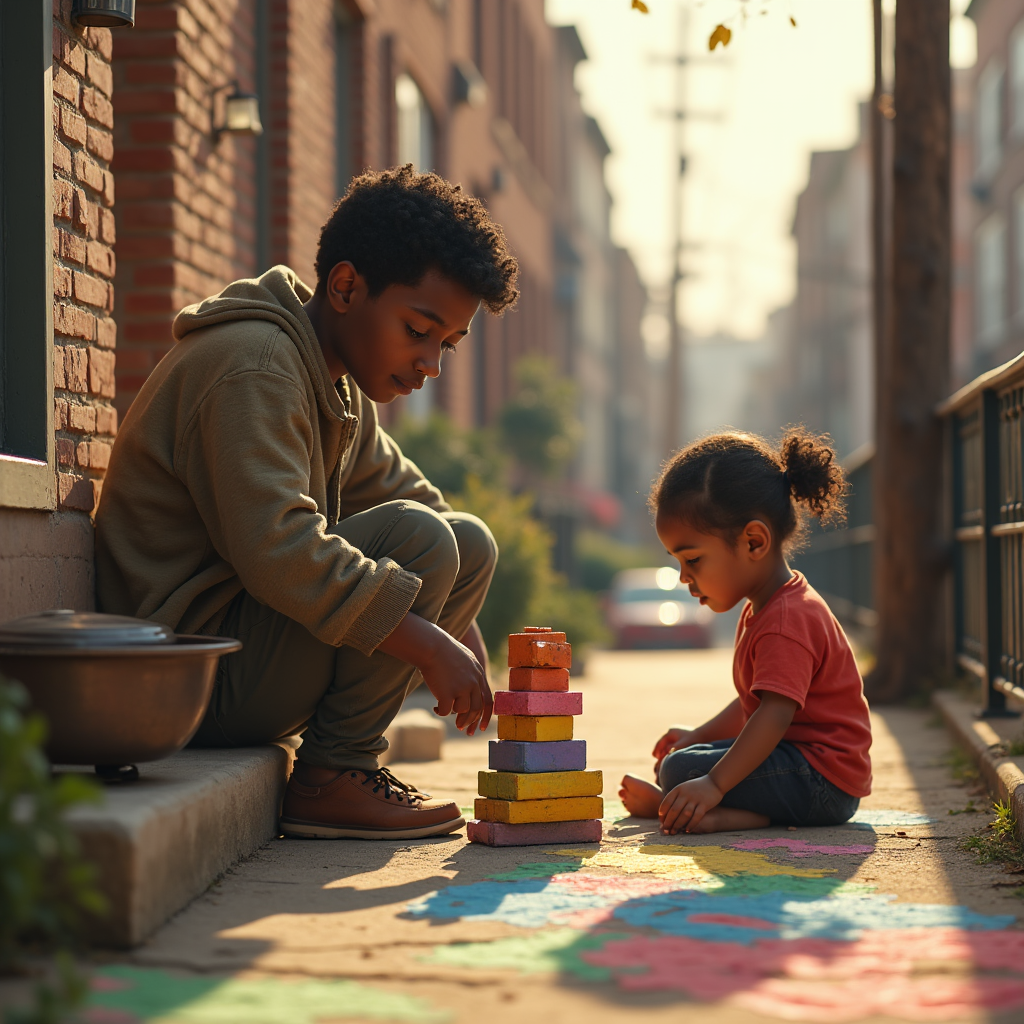
I was watching Mateo the other day – he loves building elaborate cities out of blocks, intricate networks of roads and towers - and he got frustrated when another kid knocked one down. Not a dramatic meltdown; just this quiet sigh, a slump of his shoulders. What struck me wasn’t the frustration itself (that's inevitable, especially at six), but how quickly he started rebuilding. No lecturing from me needed, no comforting words. He just *started*. It was like a tiny engine of resilience kicking back into gear.
We spend so much time teaching kids how to handle their feelings, which isn’t inherently bad – emotional literacy is important! But I think we sometimes miss the point. They already *have* feelings. It's not about suppressing them or identifying them perfectly; it’s about what they do with them. Mateo didn't dwell on the fallen towers. He just rebuilt. That action, that simple return to creation – it spoke volumes.
I think that’s true of adults too. How much energy do we waste agonizing over mistakes, replaying conversations in our heads, worrying about what others think? It’s a constant loop of self-analysis. And while reflection is valuable, there's a point where it becomes paralysis. It's like trying to force a plant to grow by staring at it really hard and telling it to hurry up.
There's this idea that we need to be constantly "on" – producing, achieving, optimizing our lives for maximum output. Social media certainly doesn’t help with that. It's a highlight reel of curated perfection, a constant comparison game. And kids are growing up immersed in it, absorbing the message that their worth is tied to likes and followers.
Chloe had been feeling down all morning. Her mom mentioned she hadn't slept well, worried about something she’d posted online. It wasn't about bullying or anything overtly negative; just this vague anxiety about how she was perceived. We talked a little bit – not lecturing, more of a gentle check-in – and then I suggested we spend some time drawing with sidewalk chalk outside.
The immediate shift in her demeanor was remarkable. Suddenly, all the anxieties seemed to melt away as she started creating these enormous, colorful murals on the pavement. It wasn't about impressing anyone; it was pure, unadulterated creation. That’s where kids find their equilibrium – not in chasing external validation, but in engaging with something tangible and joyful.
Maybe what we need isn’t more sophisticated strategies for emotional regulation or better ways to manage our online presence. Maybe what we need is more time spent building block cities, drawing on sidewalks, simmering Sunday gravy, and simply *doing*. The answers aren’t always found in the big systems; sometimes they're hidden in the quiet persistence of a six-year-old rebuilding his towers, one brick at a time. And maybe, just maybe, there’s something to be said for letting go of the spreadsheets and embracing the messiness of simply being human.